
The Accusation Against Bernard of Septimania and …
Years: 830 - 830
The Accusation Against Bernard of Septimania and the 830 Revolt
Bernard of Septimania, one of Louis the Pious’ closest advisors, finds himself at the center of court intrigue and dynastic conflict in the early 9th century.
According to Thegan of Trier’s Gesta Hludowici, Bernard is accused of having an illicit relationship with Empress Judith of Bavaria, Louis’ second wife. Thegan dismisses these claims as lies, but the rumors spread widely, intensifying political tensions at court.
The April 830 Riot at Rennes
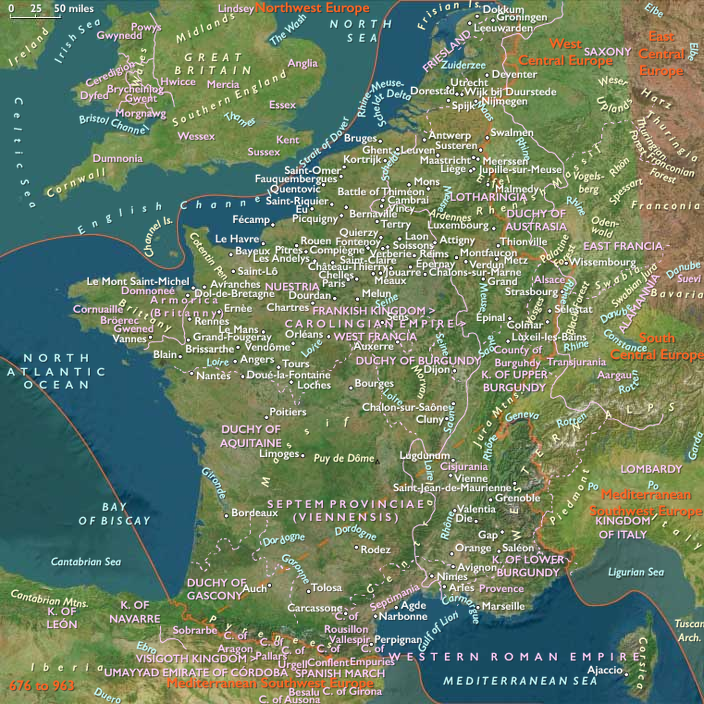
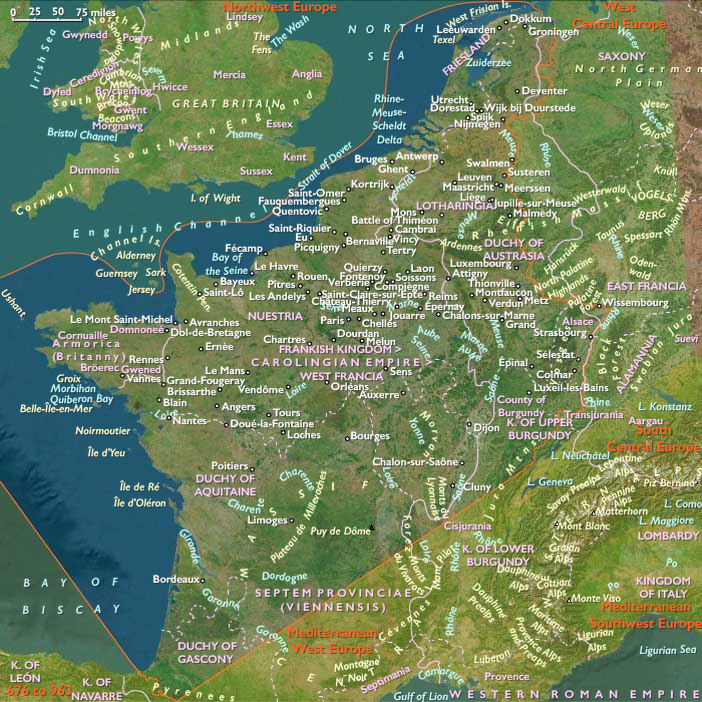
By April 830, Louis the Pious' sons—Lothair, Pepin, and Louis the German—oppose their father’s rule, believing that Empress Judith and her allies (including Bernard) hold too much influence at court.
- While the Frankish army is gathered at Rennes to fight the Bretons, the rumors trigger unrest among the soldiers.
- A riot erupts, fueled by resentment toward Bernard and the Empress, reflecting the wider dynastic struggle between Louis and his rebellious sons.
- Facing serious threats to his life, Bernard flees the court, abandoning his position.
Bernard’s Fall from Power
- According to the Annales Bertiniani, Bernard returns to Barcelona, where he had previously served as Count of Barcelona and Margrave of Septimania.
- His brother, Eribert, who remained at court, is banished.
- Bernard is deprived of the County of Autun, a title he had held for some time.
The Aftermath: Dynastic Conflicts Continue
Bernard’s fall from favor marks a turning point in the struggles between Louis the Pious and his rebellious sons. Over the next decade, these dynastic conflicts will further destabilize the Carolingian Empire, leading to civil wars, shifting alliances, and the eventual fragmentation of the empire under the Treaty of Verdun (843).
Locations
People
- Bernard of Septimania
- Judith of Bavaria
- Lothair I
- Louis the German
- Louis the Pious
- Pepin I of Aquitaine
Groups
- Franks
- Breton people
- Septimania
- Provence, Early Medieval
- Francia (Carolingians)
- Córdoba, Umayyad Emirate of
- Marca Hispanica
- Frankish, or Carolingian (Roman) Empire
- Barcelona, County of
- Brittany, Kingdom of
Topics
Commodoties
Subjects
Regions
Subregions
Related Events
Showing 3 events out of 3 total
Years: 830 - 830
Locations
People
- Bernard of Septimania
- Judith of Bavaria
- Lothair I
- Louis the German
- Louis the Pious
- Pepin I of Aquitaine
Groups
- Franks
- Breton people
- Septimania
- Provence, Early Medieval
- Francia (Carolingians)
- Córdoba, Umayyad Emirate of
- Marca Hispanica
- Frankish, or Carolingian (Roman) Empire
- Barcelona, County of
- Brittany, Kingdom of
Topics
Commodoties
Subjects
Regions
Subregions