
North Africa (1936–1947 CE) Intensified Anti-Colonial …
Years: 1936 - 1947
North Africa (1936–1947 CE)
Intensified Anti-Colonial Movements and World War II Impacts
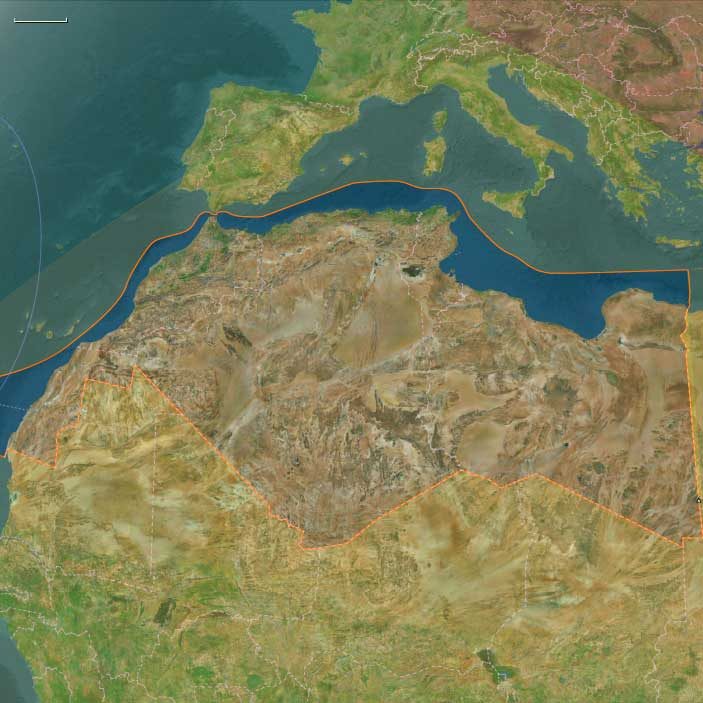
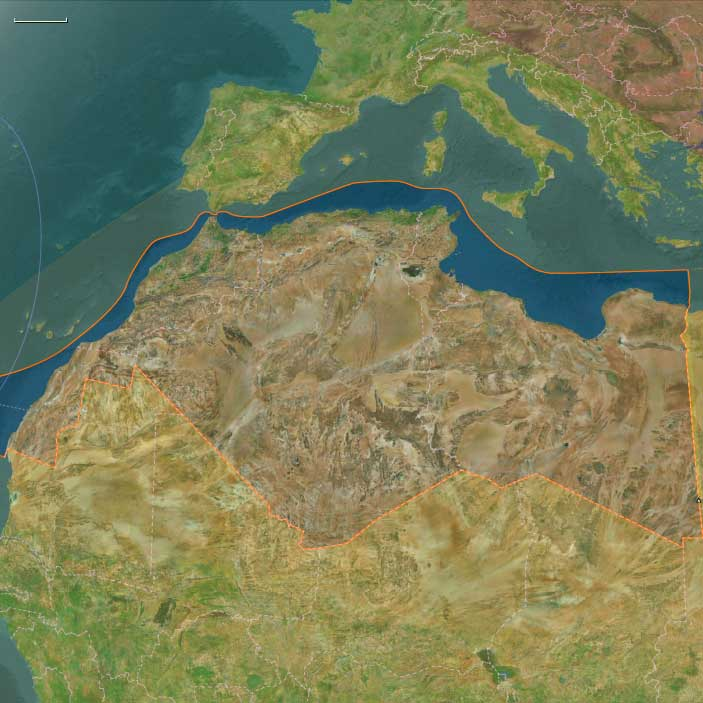
Between 1936 and 1947, North Africa experiences dramatic shifts influenced by intensified anti-colonial movements, the impacts of World War II, and significant geopolitical transformations across Algeria, Tunisia, Libya, and Morocco.
Algeria: Nationalist Momentum and Repression
In Algeria, nationalist movements gain strength despite continued repression from French colonial authorities. The North African Star (Étoile Nord-Africaine), rebranded as the Algerian People's Party (PPA) in 1937, under the leadership of Messali Hadj, significantly broadens its grassroots base, calling openly for independence. French colonial authorities react with severe repression, banning nationalist activities and imprisoning leaders.
World War II substantially affects Algeria, as the country becomes a critical Allied base during the conflict. The demands of the war economy lead to heightened economic hardships for Algerians, exacerbating resentment towards French rule. The end of the war in 1945 sees massive nationalist demonstrations, notably in Sétif and Guelma, which French forces brutally suppress, resulting in thousands of Algerian deaths and intensifying nationalist resolve.
Tunisia: Nationalist Revival and International Recognition
Tunisian nationalism accelerates, particularly after Habib Bourguiba and others form the Neo Destour Party in 1934. The movement rapidly gains popularity, advocating more radical reforms and complete independence. Despite severe French repression, Bourguiba effectively mobilizes international support and attention toward Tunisia’s plight.
During World War II, Tunisia becomes a battleground as Axis and Allied forces fight on its soil, significantly disrupting local society and economy. Post-war, international scrutiny increases pressure on France to relax some of its oppressive measures, though complete independence remains elusive. Nevertheless, the momentum from wartime international awareness significantly bolsters nationalist aspirations.
Libya: Continued Resistance and World War II Battles
Libya remains under harsh Italian rule throughout the 1930s, characterized by oppressive colonial administration aimed at assimilating Libyans and suppressing any resistance. The advent of World War II turns Libya into a major North African front, where Allied and Axis powers battle fiercely from 1940 to 1943.
British forces ultimately expel Axis powers from Libya by 1943, ending direct Italian colonial rule. This wartime period profoundly impacts Libyan society, bringing widespread disruption but also increasing contact with broader anti-colonial ideas. Post-war, Libya enters a period of uncertainty as it falls under Allied administration, setting the stage for eventual independence.
Morocco: Strengthening Nationalist Movement and Allied Occupation
In Morocco, nationalist activities intensify significantly, with the Istiqlal Party formally founded in 1944, becoming the central political voice advocating independence. The party gains wide popular support through emphasizing unity and self-determination.
Morocco, occupied by the Allies in 1942 as part of Operation Torch, experiences a period of direct international attention, temporarily weakening French and Spanish colonial dominance. Nationalist leaders leverage wartime alliances to advocate for independence, significantly advancing the nationalist cause despite continuing colonial resistance.
Socioeconomic Impact and Colonial Disintegration
The war profoundly affects North Africa's socioeconomic fabric, leading to widespread shortages, disruption of traditional economies, and significant human suffering. These hardships fuel anti-colonial sentiments, reinforcing nationalist ideologies across the region.
By 1947, North African nationalist movements have consolidated significantly. The end of World War II brings intensified international attention and growing global support for anti-colonial struggles, setting the stage for the subsequent decade's decisive push towards independence.
People
Groups
- Arab people
- Berber people (also called Amazigh people or Imazighen, "free men", singular Amazigh)
- Riffian people, Rifains, or Riffis
- Islam
- Muslims, Sunni
- Muslims, Shi'a
- Muslims, Ibadi
- Alawi dynasty
- Morocco, 'Alawi (Filali) Sultanate of
- Algeria, French Colony of
- Senussi, or Sanussi
- Italy, Kingdom of
- France (French republic); the Third Republic
- Spain, Bourbon Kingdom (second restoration) of
- Tripolitania, Ottoman viyalet of
- Tunis, French protectorate of
- Morocco, (French) Protectorate of
- Italian Tripolitania
- Italian Cyrenaica
- Libya, Italian
Topics
Subjects
Regions
Subregions
Related Events
Showing 10 events out of 6145 total
Years: 1936 - 1947
People
Groups
- Arab people
- Berber people (also called Amazigh people or Imazighen, "free men", singular Amazigh)
- Riffian people, Rifains, or Riffis
- Islam
- Muslims, Sunni
- Muslims, Shi'a
- Muslims, Ibadi
- Alawi dynasty
- Morocco, 'Alawi (Filali) Sultanate of
- Algeria, French Colony of
- Senussi, or Sanussi
- Italy, Kingdom of
- France (French republic); the Third Republic
- Spain, Bourbon Kingdom (second restoration) of
- Tripolitania, Ottoman viyalet of
- Tunis, French protectorate of
- Morocco, (French) Protectorate of
- Italian Tripolitania
- Italian Cyrenaica
- Libya, Italian
Topics
Subjects
Regions
Subregions