
North Africa (1924–1935 CE) Escalation of …
Years: 1924 - 1935
North Africa (1924–1935 CE)
Escalation of Nationalist Movements and Colonial Repression
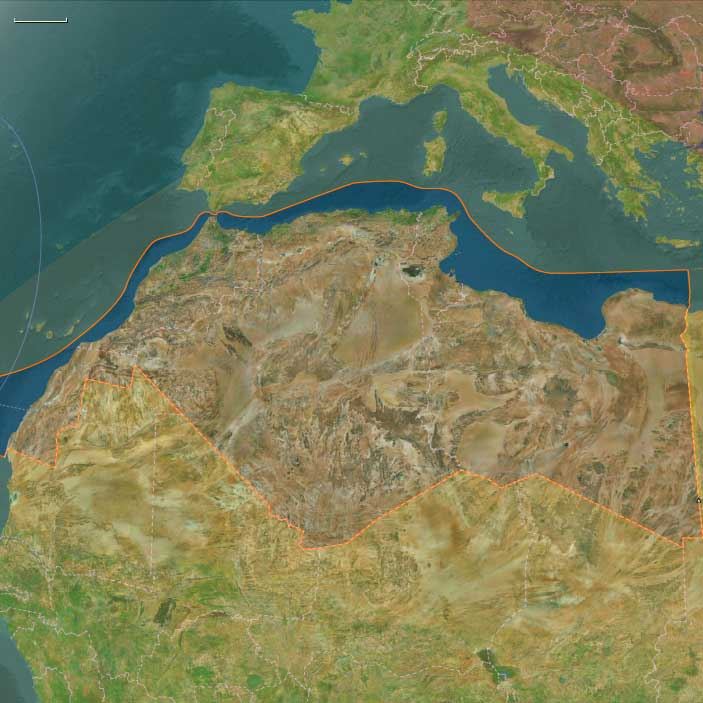
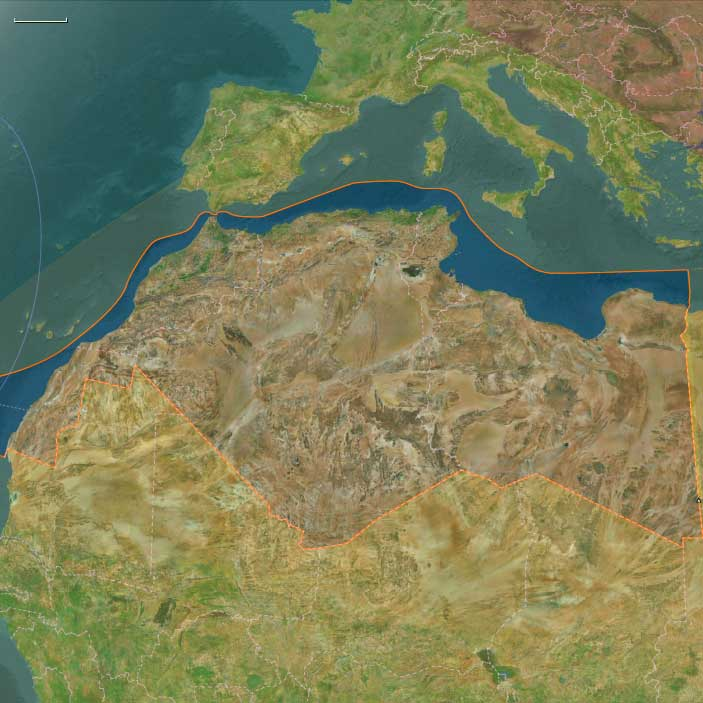
The period from 1924 to 1935 in North Africa is characterized by intensified nationalist activities, increasing colonial repression, and significant socio-political developments across Algeria, Tunisia, Libya, and Morocco.
Algeria: Rising Nationalism and Colonial Response
In Algeria, the oppressive conditions foster a more organized nationalist response among indigenous populations. French colonial authorities maintain strict control, implementing policies that continue to disenfranchise Algerians economically and politically. The North African Star (Étoile Nord-Africaine), founded in 1926, emerges as the first significant Algerian nationalist organization advocating independence from French rule, led by influential figures such as Messali Hadj. Despite French suppression and surveillance, the movement persists, mobilizing Algerians through grassroots activism and political education.
Socioeconomic hardships intensify, with rural impoverishment and urban overcrowding becoming chronic. Nationalist sentiments increasingly spread among the working class, exacerbating tensions with European settlers and colonial authorities.
Tunisia: Nationalist Mobilization and the Destour Party
In Tunisia, the nationalist movement gains significant momentum with the establishment of the Destour Party in 1920, which rapidly expands in influence and membership through the 1920s and early 1930s. Its demands for constitutional reform, increased Tunisian representation, and reduced French interference resonate broadly among the Tunisian population.
Economic conditions deteriorate under the protectorate regime, fueling resentment against French economic domination and social injustices. Although French colonial authorities attempt to suppress nationalist activities through arrests and censorship, Tunisian nationalism continues to grow stronger, setting the stage for more intense confrontations in subsequent decades.
Libya: Sanusi Resistance under Omar al-Mukhtar
Libya sees continued and intensified resistance against Italian colonial rule, especially under the leadership of Omar al-Mukhtar, the renowned Sanusi military and spiritual leader. Omar al-Mukhtar mobilizes tribes across Cyrenaica, employing guerrilla warfare tactics effectively against the Italian forces. Despite significant losses and harsh reprisals from Italy, his resilience maintains resistance momentum throughout the 1920s.
In 1931, however, Omar al-Mukhtar is captured by Italian forces and executed, significantly weakening the organized resistance. Italy consolidates its colonial control, implementing repressive policies designed to suppress further opposition and integrate Libya more firmly into its empire.
Morocco: The Rif War and Nationalist Consequences
Morocco witnesses fierce resistance against Spanish colonial rule in the northern region, culminating in the Rif War. Under the leadership of Abd el-Krim, the Republic of the Rif achieves remarkable military successes against Spanish forces between 1921 and 1926, earning international recognition and inspiring nationalist movements across North Africa.
However, joint French and Spanish military operations ultimately crush the Rif Republic in 1926, forcing Abd el-Krim into exile. Despite this defeat, his resistance profoundly influences Moroccan nationalist sentiments, leading to the formation of political organizations like the Istiqlal Party in the early 1930s, which begins actively advocating Moroccan independence.
Socioeconomic Struggles and Nationalist Consciousness
Throughout North Africa, colonial policies exacerbate socioeconomic disparities, triggering urban poverty, rural displacement, and widespread discontent. The economic hardships provide fertile ground for nationalist ideologies, prompting greater mobilization and organization among educated elites, urban workers, and rural populations.
By 1935, nationalist movements across the region have significantly matured. Despite colonial repression and military defeats, the drive for independence has firmly taken root, setting the stage for intensified anti-colonial struggles in the ensuing decades.
People
Groups
- Arab people
- Berber people (also called Amazigh people or Imazighen, "free men", singular Amazigh)
- Riffian people, Rifains, or Riffis
- Islam
- Muslims, Sunni
- Muslims, Shi'a
- Muslims, Ibadi
- Alawi dynasty
- Morocco, 'Alawi (Filali) Sultanate of
- Algeria, French Colony of
- Senussi, or Sanussi
- Italy, Kingdom of
- France (French republic); the Third Republic
- Spain, Bourbon Kingdom (second restoration) of
- Tripolitania, Ottoman viyalet of
- Tunis, French protectorate of
- Morocco, (French) Protectorate of
- Rif Republic (The Confederal Republic of the Tribes of the Rif)
- Italian Tripolitania
- Italian Cyrenaica
- Libya, Italian
Topics
Subjects
Regions
Subregions
Related Events
Showing 10 events out of 7045 total
Years: 1924 - 1935
People
Groups
- Arab people
- Berber people (also called Amazigh people or Imazighen, "free men", singular Amazigh)
- Riffian people, Rifains, or Riffis
- Islam
- Muslims, Sunni
- Muslims, Shi'a
- Muslims, Ibadi
- Alawi dynasty
- Morocco, 'Alawi (Filali) Sultanate of
- Algeria, French Colony of
- Senussi, or Sanussi
- Italy, Kingdom of
- France (French republic); the Third Republic
- Spain, Bourbon Kingdom (second restoration) of
- Tripolitania, Ottoman viyalet of
- Tunis, French protectorate of
- Morocco, (French) Protectorate of
- Rif Republic (The Confederal Republic of the Tribes of the Rif)
- Italian Tripolitania
- Italian Cyrenaica
- Libya, Italian
Topics
Subjects
Regions
Subregions