
Gaeta is the ancient Caieta, situated on …
Years: 849 - 849
Gaeta is the ancient Caieta, situated on the slopes of the Torre di Orlando, a promontory overlooking the Mediterranean Sea.
Gaeta was an ancient Ionian colony of the Samians according to Strabo, who believed the name stemmed from the Greek kaiétas, which means "cave", probably referring to the several harbors.
According to Virgil's Aeneid (vii.1–9), Caieta was Aeneas’ (another legend says Ascanius') wet-nurse, whom he buried here.
In classical times, Caieta, famous for its lovely and temperate climate, like the neighboring Formia and Sperlonga, was a tourist resort and site of the seaside villas of many important and rich characters of Rome.
Like the other Roman resorts, Caieta was linked to the capital of the Empire by Via Appia and its end trunk Via Flacca (or Valeria), through an opposite diverticulum or byroad.
Its port was of great importance in trade and in war, and was restored under Emperor Antoninus Pius.
Among its antiquities is the mausoleum of Lucius Munatius Plancus.
After the Lombard invasion of the eighth century, Gaeta had remained under suzerainty of the Eastern Roman Empire.
In the following years, like Amalfi, Sorrento and Naples, it seems to have established itself as a practically independent port and to have carried on a thriving trade with the Levant.
As imperial influence declined in Southern Italy the town had begun to grow.
The inhabitants of the neighboring Formiæ had fled to Gaeta in 840 for fear of the Saracens.
Although under the suzerainty of Constantinople, Gaeta has, like nearby ports Naples and Amalfi, a republican form of government with a dux ("duke", or commanding lord under the command of the imperial Exarch of Ravenna), as a strong bulwark against Saracen invasion.
Around 830, it had become a lordship ruled by hereditary hypati, or consuls: the first of these is Constantine (839–866), who in 847 had aided Pope Leo IV in the naval fight at Ostia.
At this same time (846) the episcopal see of Gaeta had been founded when Constantine, Bishop of Formiae, fled thither and established his residence.
He is associated with his son Marinus I.
The Saracens have been besieging Gaeta, which had led to Leo's order that the walls of the city be restored and strengthened between 848 and 849.
Locations
People
Groups
- Christianity, Chalcedonian
- Greeks, Medieval (Byzantines)
- Sorrento, Duchy of
- Muslims, Sunni
- Naples, Duchy of
- Sicily (theme)
- Saracens
- Gaeta, Republic of
- Papal States (Republic of St. Peter)
- Italy, Carolingian Kingdom of
- Frankish, or Carolingian (Roman) Empire
- Sicily, Emirate of
- Amalfi, Republic of
Topics
Commodoties
Subjects
- Commerce
- Watercraft
- Engineering
- Labor and Service
- Conflict
- Faith
- Government
- Custom and Law
- Technology
Regions
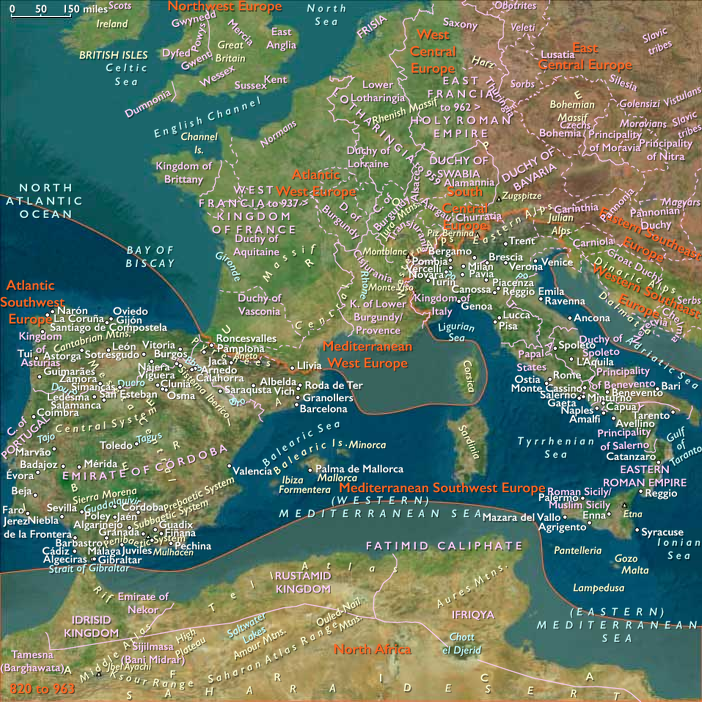
Subregions
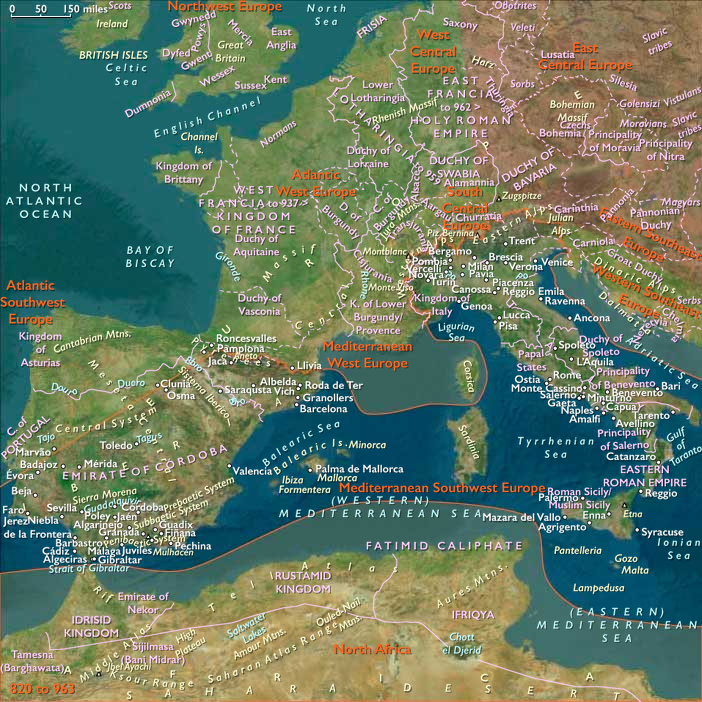
Related Events
Showing 10 events out of 54158 total
Years: 849 - 849
Locations
People
Groups
- Christianity, Chalcedonian
- Greeks, Medieval (Byzantines)
- Sorrento, Duchy of
- Muslims, Sunni
- Naples, Duchy of
- Sicily (theme)
- Saracens
- Gaeta, Republic of
- Papal States (Republic of St. Peter)
- Italy, Carolingian Kingdom of
- Frankish, or Carolingian (Roman) Empire
- Sicily, Emirate of
- Amalfi, Republic of
Topics
Commodoties
Subjects
- Commerce
- Watercraft
- Engineering
- Labor and Service
- Conflict
- Faith
- Government
- Custom and Law
- Technology
Regions
Subregions