Yongle Emperor
3rd Ming Emperor
Years: 1360 - 1424
The Yongle Emperor (2 May 1360 – 12 August 1424), born Zhu Di, wis the third emperor of the Ming Dynasty in China, reigning from 1402 to 1424.
Zhu Di was originally created Prince of Ya in May 1370 with his capital at Beiping (modern Beijing).
Amid the continuing struggle against the Mongols, Zhu Di consolidates his own power and eliminates rivals such as the successful general Lan Yu.
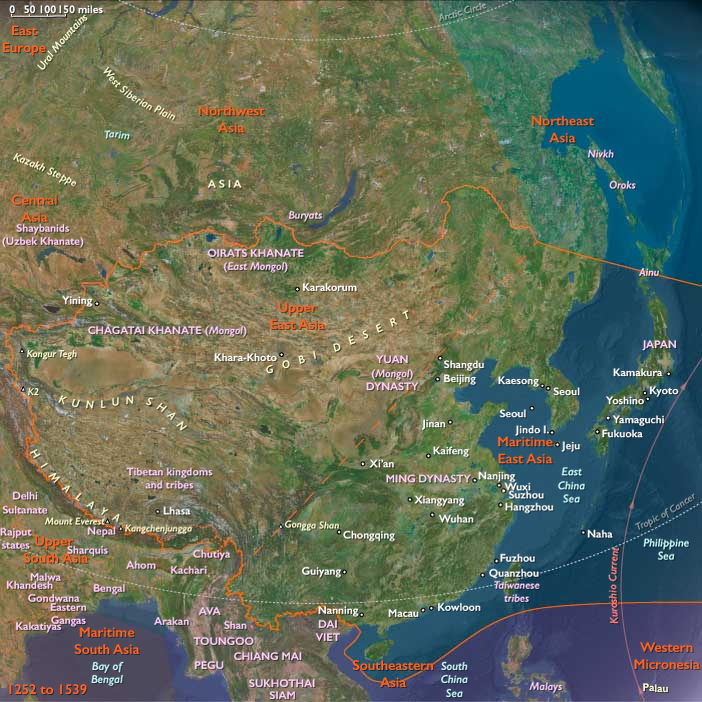
He initially accepts his father's appointment of his elder brother Zhu Biao and then his teen-aged nephew Zhu Yunwen as crown prince, but when Zhu Yunwen ascends the throne as the Jianwen Emperor and begins executing and demoting his powerful uncles, Zhu Di finds pretext for rising in rebellion against him Assisted in large part by eunuchs mistreated by the Hongwu and Jianwen Emperors, who both favored the Confucian scholar-bureaucrats, Zhu Di survives the initial attacks on his fief and drives south, sacking Nanjing in 1402 and declaring his new era the Yongle, or the time of "Perpetual Happiness".
Anxious to establish his own legitimacy, Zhu Di voids the entire reign of his young nephew and establishes a wide-ranging effort to destroy or falsify records concerning his childhood and rebellion.
This includes a massive purge of the Confucian scholars in Nanjing and grants of extraordinary extralegal authority to the eunuch secret police.
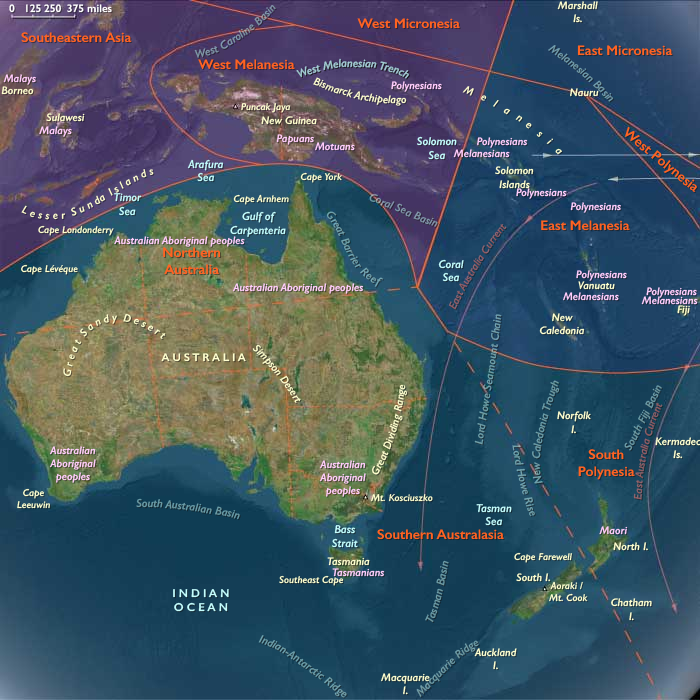
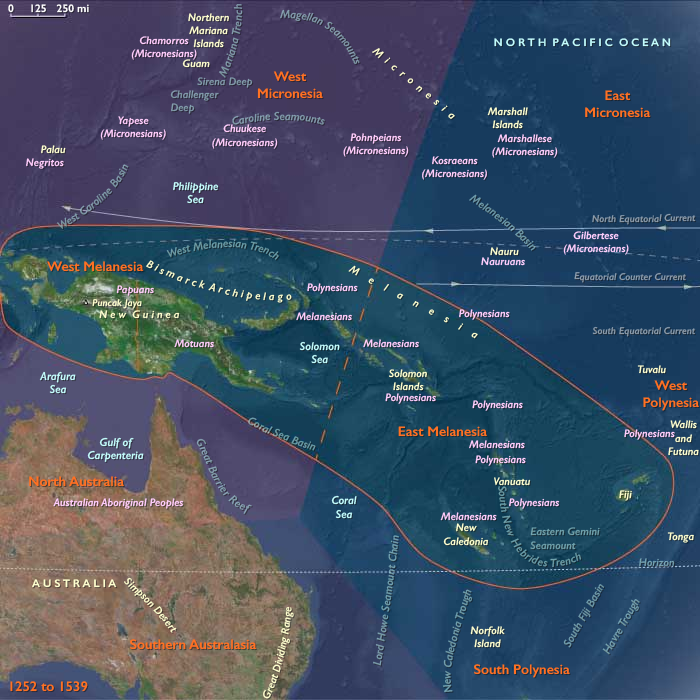
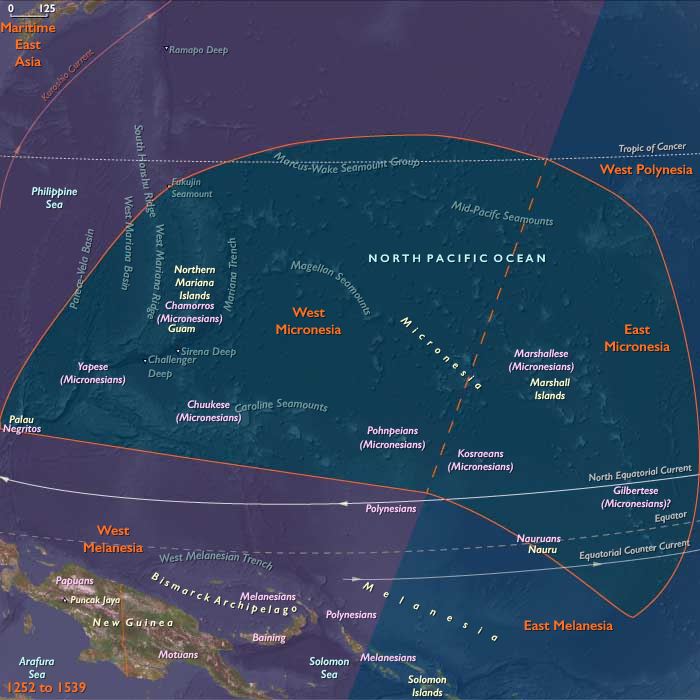
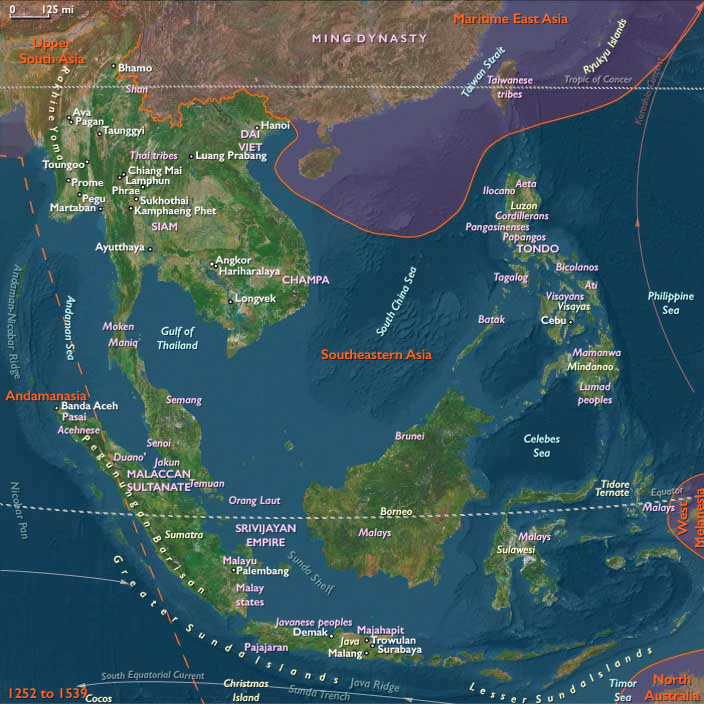
One favorite is Zheng He, who employs his authority to launch major voyages of exploration into the South Pacific and Indian Oceans.
The difficulties in Nanjing also lead the Yongle Emperor to reestablish Beiping as another (and primary) capital, Beijing.
He repairs and reopens the Grand Canal and, between 1406 and 1420, directs the construction of the Forbidden City.
He is also responsible for the Porcelain Tower of Nanjing, considered one of the wonders of the world before its destruction by the Taiping rebels in 1856.
As part of his continuing attempt to control the scholars, the Yongle Emperor also greatly expandsthe imperial examination system in place of his father's use of personal recommendation and appointment.
These scholars complete the monumental Yongle Encyclopedia during his reign.
The Yongle Emperor dies while personally campaigning against the Mongols.
He is buried in the Changling Tomb, the central and largest mausoleum of the Ming Dynasty Tombs located north of Beijing.