Woodrow Wilson
28th President of the United State
Years: 1856 - 1924
Thomas Woodrow Wilson (December 28, 1856 – February 3, 1924) was the 28th President of the United States, from 1913 to 1921.
A leader of the Progressive Movement, he serves as President of Princeton University from 1902 to 1910, and then as the Governor of New Jersey from 1911 to 1913.
Running against Republican incumbent William Howard Taft and Progressive ("Bull Moose") Party candidate Theodore Roosevelt, a former President, Wilson is elected President as a Democrat in 1912.
In his first term as President, Wilson persuades a Democratic Congress to pass major progressive reforms.
Historian John M. Cooper argues that, in his first term, Wilson successfully pushed a legislative agenda that few presidents have equaled, and remained unmatched up until the New Deal.
This agenda includes the Federal Reserve Act, Federal Trade Commission Act, the Clayton Antitrust Act, the Federal Farm Loan Act and an income tax.
Child labor is curtailed by the Keating–Owen Act of 1916, but the U.S. Supreme Court declares it unconstitutional in 1918.
He also has Congress pass the Adamson Act, which imposes an 8-hour workday for railroads.
Wilson, after first sidestepping the issue, becomes a major advocate for the women's suffrage.
Although Wilson promises African Americans 'fair dealing...in advancing the interests of their race in the United States" the Wilson administration implements a policy of racial segregation for federal employees.
Narrowly re-elected in 1916, he has full control of American entry into the First World War, and his second term centers on World War I and the subsequent peace treaty negotiations in Paris.
He bases his re-election campaign around the slogan, "He kept us out of war", but U.S. neutrality isi challenged in early 1917 when the German Empire begins unrestricted submarine warfare despite repeated strong warnings and tries to enlist Mexico as an ally.
In April 1917, Wilson asks Congress to declare war.
During the war, Wilson focuses on diplomacy and financial considerations, leaving the waging of the war itself primarily in the hands of the Army.
On the home front in 1917, he begins the United States' first draft since the American Civil War, borrows billions of dollars in war funding through the newly established Federal Reserve Bank and Liberty Bonds, sets up the War Industries Board, promotes labor union cooperation, supervises agriculture and food production through the Lever Act, takes over control of the railroads, and suppresses antiwar movements.
During his term in office, Wilson gives a well-known Flag Day speech that fuels the wave of anti-German sentiment sweeping the country in 1917–18.
In the late stages of the war, Wilson takes personal control of negotiations with Germany, including the armistice.
In 1918, he issues his Fourteen Points, his view of a postwar world that could avoid another terrible conflict.
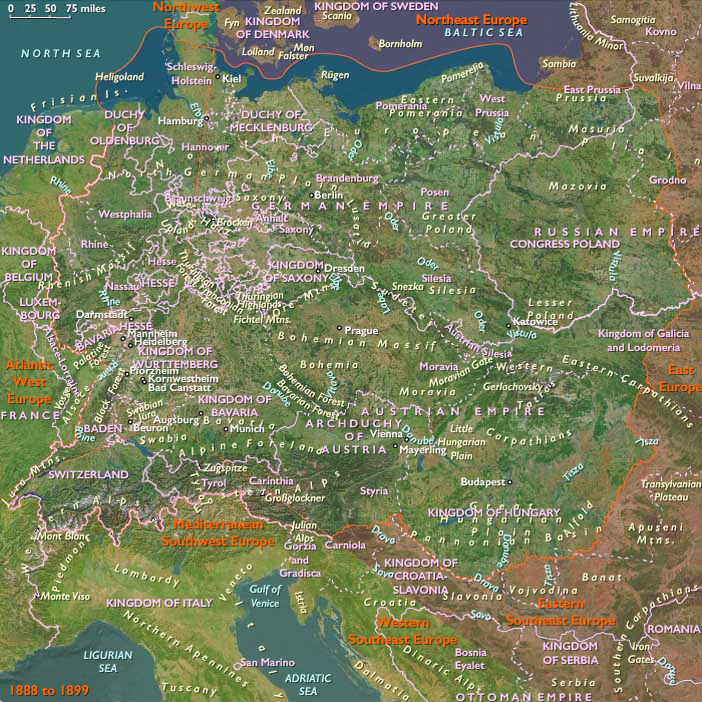
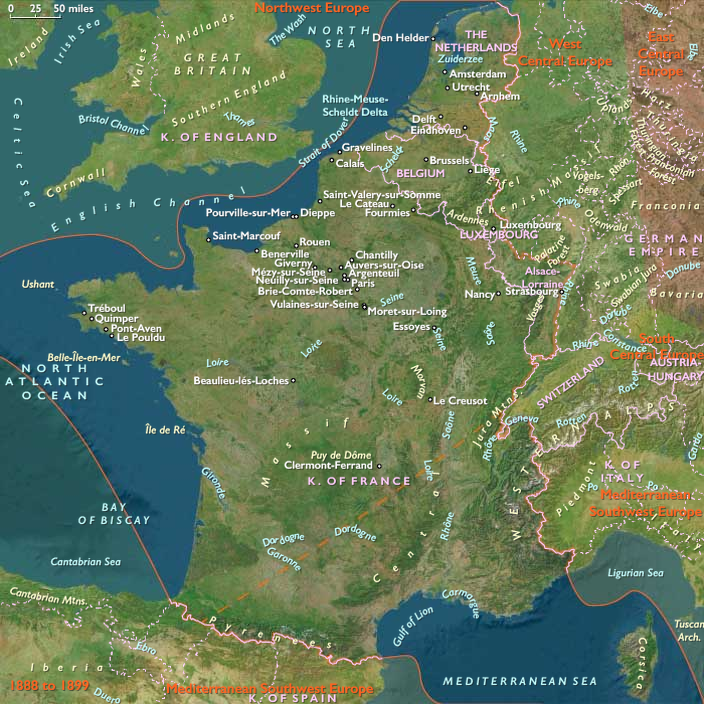
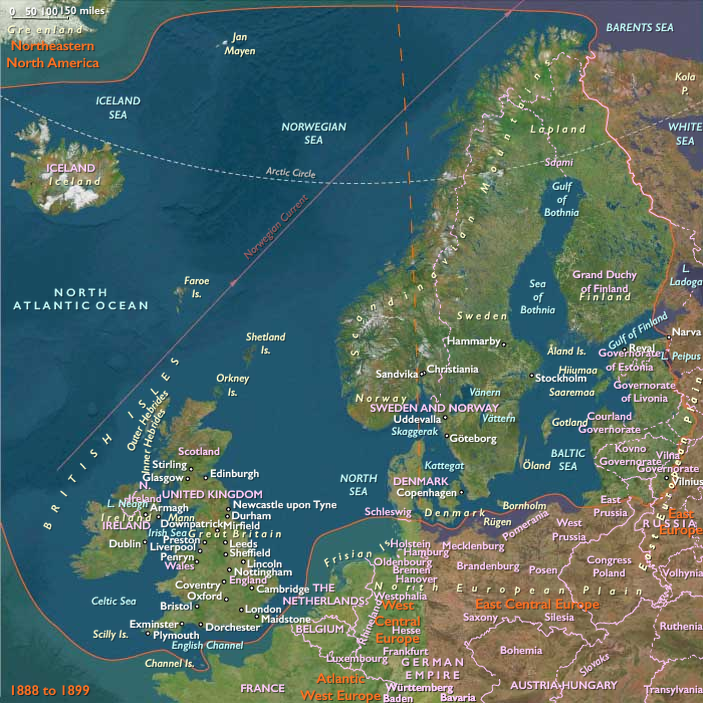
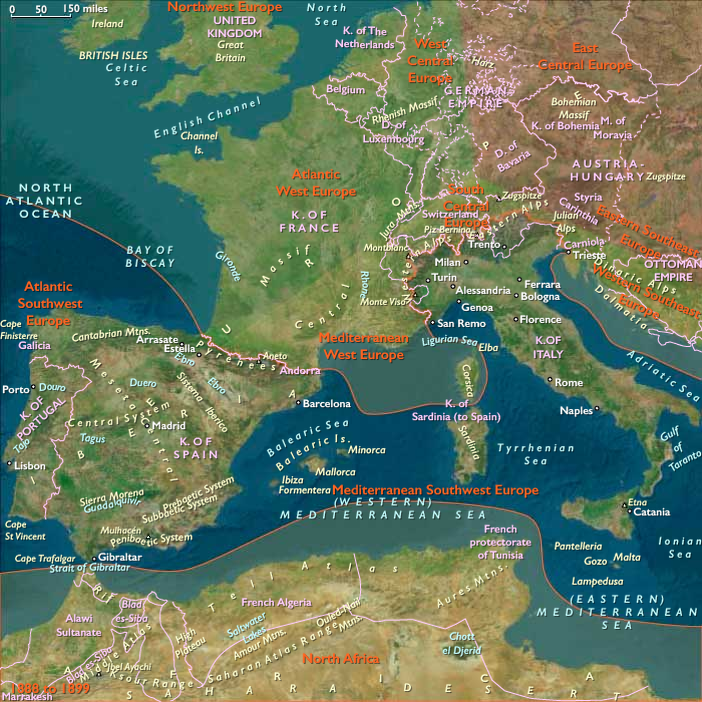
In 1919, he goes to Paris to create the League of Nations and shape the Treaty of Versailles, with special attention on creating new nations out of defunct empires.
In 1919, Wilson engages in an intense fight with Henry Cabot Lodge and the Republican-controlled Senate over giving the League of Nations power to force the U.S. into a war.
Wilson collapses with a debilitating stroke that leaves his wife in control until he leaves office in March 1921.
The Senate rejects the Treaty of Versailles, the U.S. never joins the League, and the Republicans win a landslide in 1920 by denouncing Wilson's policies.
An intellectual with very high writing standards, Wilson is a highly effective partisan campaigner as well as legislative strategist.
A Presbyterian of deep religious faith, Wilson appeals to a gospel of service and infuses a profound sense of moralism into his idealistic internationalism, now referred to as "Wilsonian".
Wilsonianism calls for the United States to enter the world arena to fight for democracy, and has been a contentious position in American foreign policy.
For his sponsorship of the League of Nations, Wilson is awarded the 1919 Nobel Peace Prize.