William Wilberforce
British politician, philanthropist, and abolitionist
Years: 1759 - 1833
William Wilberforce (24 August 1759 – 29 July 1833) is a British politician, philanthropist, and a leader of the movement to abolish the slave trade.
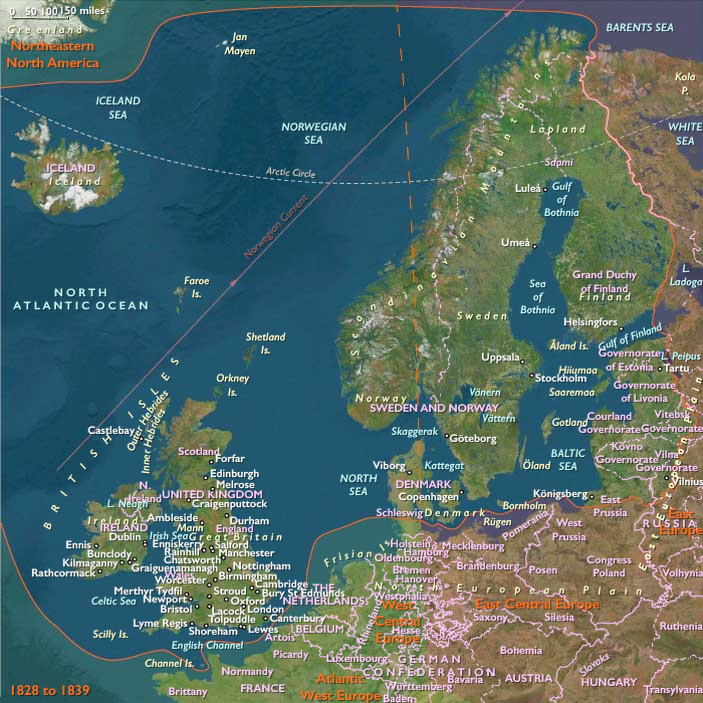
A native of Kingston upon Hull, Yorkshire, he begins his political career in 1780, eventually becoming the independent Member of Parliament for Yorkshire (1784–1812).
In 1785, he undergoes a conversion experience and becomes an evangelical Christian, resulting in major changes to his lifestyle and a lifelong concern for reform.
In 1787, he comes into contact with Thomas Clarkson and a group of anti-slave-trade activists, including Granville Sharp, Hannah More and Charles Middleton.
They persuade Wilberforce to take on the cause of abolition, and he soon becomes one of the leading English abolitionists.
He heads the parliamentary campaign against the British slave trade for twenty-six years until the passage of the Slave Trade Act of 1807.
Wilberforce is convinced of the importance of religion, morality and education.
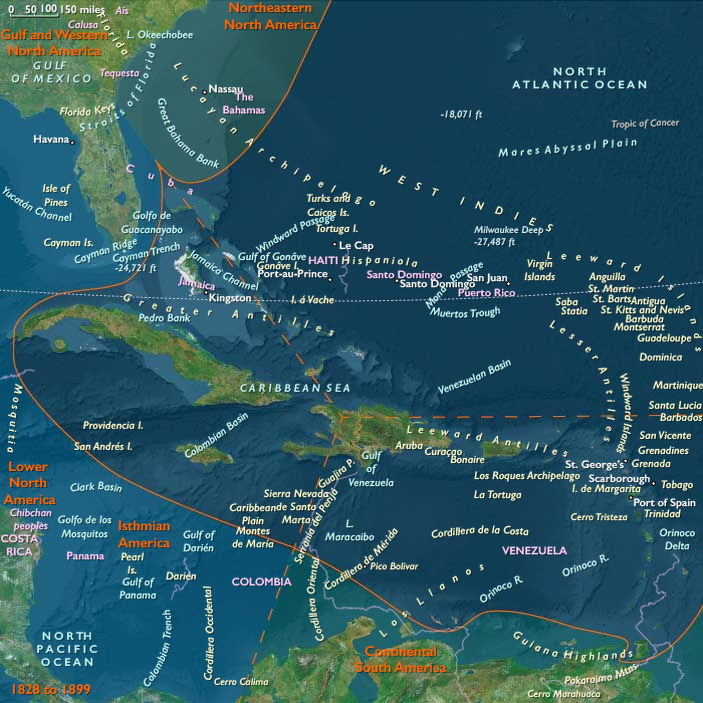
He champions causes and campaigns such as the Society for Suppression of Vice, British missionary work in India, the creation of a free colony in Sierra Leone, the foundation of the Church Mission Society, and the Society for the Prevention of Cruelty to Animals.
His underlying conservatism leads him to support politically and socially repressive legislation, and results in criticism that he is ignoring injustices at home while campaigning for the enslaved abroad.
In later years, Wilberforce supports the campaign for the complete abolition of slavery, and continues his involvement after 1826, when he resigns from Parliament because of his failing health.
That campaign leads to the Slavery Abolition Act 1833, which abolishes slavery in most of the British Empire; Wilberforce dies just three days after hearing that the passage of the Act through Parliament is assured.
He is buried in Westminster Abbey, close to his friend William Pitt.