William Petty, Earl of Shelburne
Irish-born British Whig statesman
Years: 1737 - 1805
William Petty, 1st Marquess of Lansdowne, KG, PC (May 2, 1737 – May7, 1805), known as The Earl of Shelburne between 1761 and 1784, by which title he is generally known to history, is an Irish-born British Whig statesman who is the first Home Secretary in 1782, then Prime Minister in 1782–83 during the final months of the American War of Independence.
He succeeds in securing peace with America and this feat remains his most notable legacy.
He is also well known as a collector of antiquities and works of art.
Lord Shelburne was born in Dublin in 1737 and spent his formative years in Ireland.
After attending Oxford University he serves in the British army during the Seven Years' War, taking part in the Raid on Rochefort and the Battle of Minden.
As a reward for his conduct at the Battle of Kloster Kampen, Shelburne is appointed an aide-de-camp to George III.
He becomes involved in politics, becoming a member of parliament in 1760.
After his father's death in 1761 he inherits his title and is elevated to the House of Lords and takes an active role in politics.
He serves as President of the Board of Trade in the Grenville Ministry but resigns this position after only a few months and begins to associate with the opposition leader William Pitt.
When Pitt is made Prime Minister in 1766, Shelburne is appointed as Southern Secretary, a position which he holds for two years.
He departs office during the Corsican Crisis and joins the Opposition.
Along with Pitt he is an advocate of a conciliatory policy towards Britain's American Colonies and a long-term critic of the North Government's measures in America.
Following the fall of the North government Shelburne joins its replacement led by Lord Rockingham.
Shelburne is made Prime Minister in 1782 following Rockingham's death with the American War still being fought.
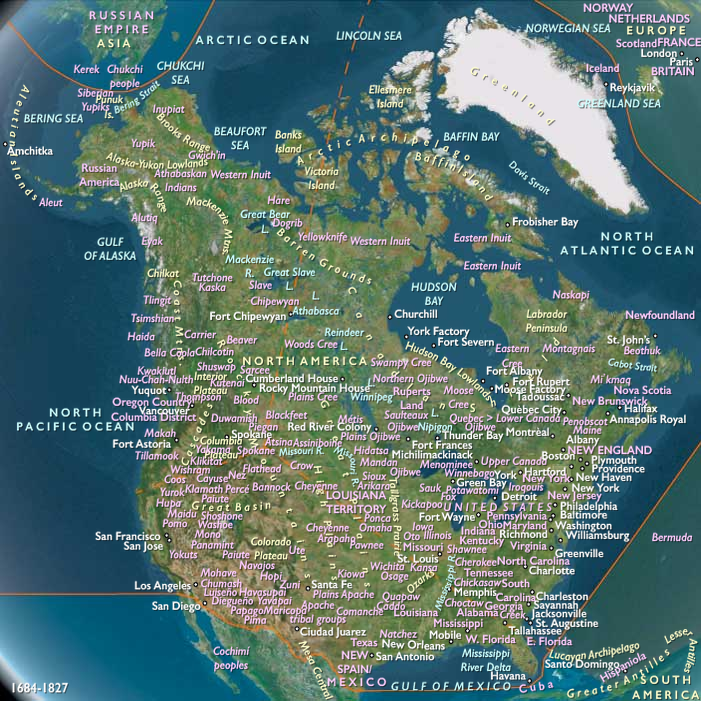
Shelburne's government is brought down largely due to the terms of the Peace of Paris (which brings the conflict to an end) which are considered excessively generous because they give the new nation control of vast trans-Appalachian lands.
Shelburne, however, has a vision of long-term benefit to Britain through trade with a large and increasingly prosperous United States, without the risk of warfare over the western territories.
After he is forced from office in 1783 at age forty-five, he permanently loses his power and influence.
Shelburne laments that his career has been a failure, despite the many high offices he holds over forty years, and his undoubted abilities as a debater.
He blames his poor education—although it had been as good as that of most peers—and saysthe real problem is that "it has been my fate through life to fall in with clever but unpopular connections."
Historians, however, point to a nasty personality that alienated friend and enemy alike.
His contemporaries distrusted him as too prone to trickery and duplicity.
Biographer John Cannon says "His uneasiness prompted him to alternate flattery and hectoring, which most of his colleagues found unpleasant, and to suspiciousness... In debate he was frequently vituperative and sarcastic."
Success had come too early, and produced jealousy, especially when he was tagged as an upstart Irishman.
He never understood the power of the House of Commons, or how to deal with its leaders.
He advocated numerous reforms, especially free trade, religious toleration, and parliamentary reform.
He was ahead of his time, but was unable to build an adequate network of support from his colleagues who distrusted his motives. In turn he distrusted others, and tried to do all the work himself so that it would be done right.