William McKinley
twenty-fifth president of the United States
Years: 1843 - 1901
William McKinley (born William McKinley Jr.; January 29, 1843 – September 14, 1901) is the twenty-fifth president of the United States, serving from March 4, 1897, until his assassination six months into his second term.
During his presidency, McKinley leads the nation to victory in the Spanish–American War, raises protective tariffs to promote American industry and keeps the nation on the gold standard in a rejection of free silver (effectively, expansionary monetary policy).
McKinley is the last president to have served in the American Civil War and the only one to have started the war as an enlisted soldier, beginning as a private in the Union Army and ending as a brevet major.
After the war, he settles in Canton, Ohio, where he practices law and marries Ida Saxton.
In 1876, he is elected to Congress, where he becomes the Republican Party's expert on the protective tariff, which he promises will bring prosperity.
His 1890 McKinley Tariff is highly controversial, which together with a Democratic redistricting aimed at gerrymandering him out of office leads to his defeat in the Democratic landslide of 1890.
He is elected governor of Ohio in 1891 and 1893, steering a moderate course between capital and labor interests.
With the aid of his close adviser Mark Hanna, he secures the Republican nomination for president in 1896 amid a deep economic depression.
He defeats his Democratic rival William Jennings Bryan after a front porch campaign in which he advocates "sound money" (the gold standard unless altered by international agreement) and promises that high tariffs will restore prosperity.
Rapid economic growth marks McKinley's presidency.
He promotes the 1897 Dingley Tariff to protect manufacturers and factory workers from foreign competition and in 1900 secures the passage of the Gold Standard Act.
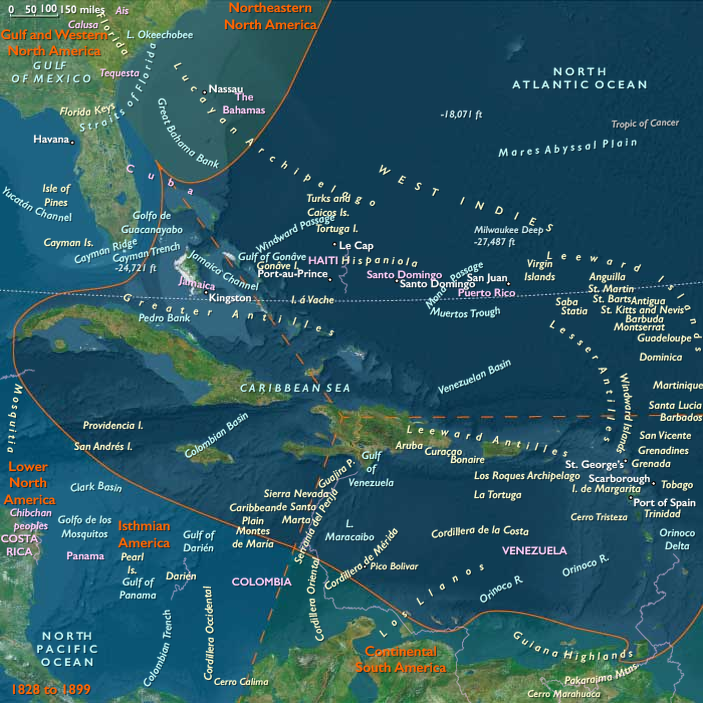
McKinley hopes to persuade Spain to grant independence to rebellious Cuba without conflict, but when negotiation fail he leads the nation into the Spanish-American War of 1898.
The United States victory is quick and decisive.
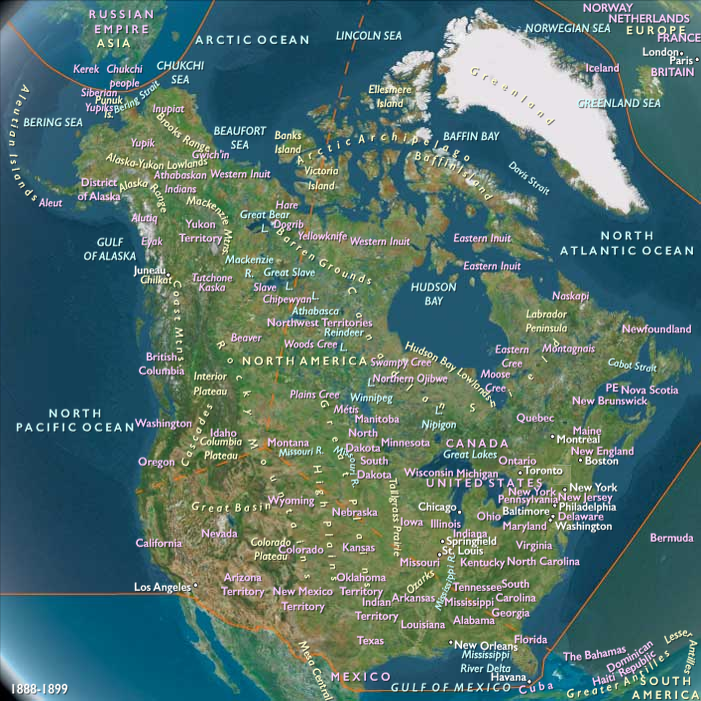
As part of the peace settlement, Spain turns over to the United States its main overseas colonies of Puerto Rico, Guam and the Philippines while Cuba is promised independence, but at this time remained under the control of the United States Army.
The United States annexes the independent Republic of Hawaii in 1898 and it becomes a United States territory.
Historians regard McKinley's 1896 victory as a realigning election in which the political stalemate of the post-Civil War era gives way to the Republican-dominated Fourth Party System, which begins with the Progressive Era
McKinley defeats Bryan again in the 1900 presidential election in a campaign focused on imperialism, protectionism and free silver.
His legacy is suddenly cut short when he is shot on September 6, 1901 by Leon Czolgosz, a second-generation Polish-American with anarchist leanings.
McKinley dies eight days later and is succeeded by his Vice President Theodore Roosevelt.
As an innovator of American interventionism and pro-business sentiment, McKinley's presidency is generally considered above average, though his highly positive public perception will soon be overshadowed by Roosevelt.