William Howe, 5th Viscount Howe
British army officer; Commander-in-Chief of British forces during the American War of Independence
Years: 1729 - 1814
William Howe, 5th Viscount Howe, KB, PC (10 August 1729 – 12 July 1814) was a British army officer who rises to become .
Howe is one of three brothers who enjoy distinguished military careers.
Having joined the army in 1746, Howe sees extensive service in the War of the Austrian Succession and Seven Years' War.
He becomes known for his role in the capture of Quebec in 1759 when he leads a British force to capture the cliffs at Anse-au-Foulon, allowing James Wolfe to land his army and engage the French.
Howe also participates in the campaigns to take Louisbourg, Belle Île and Havana.
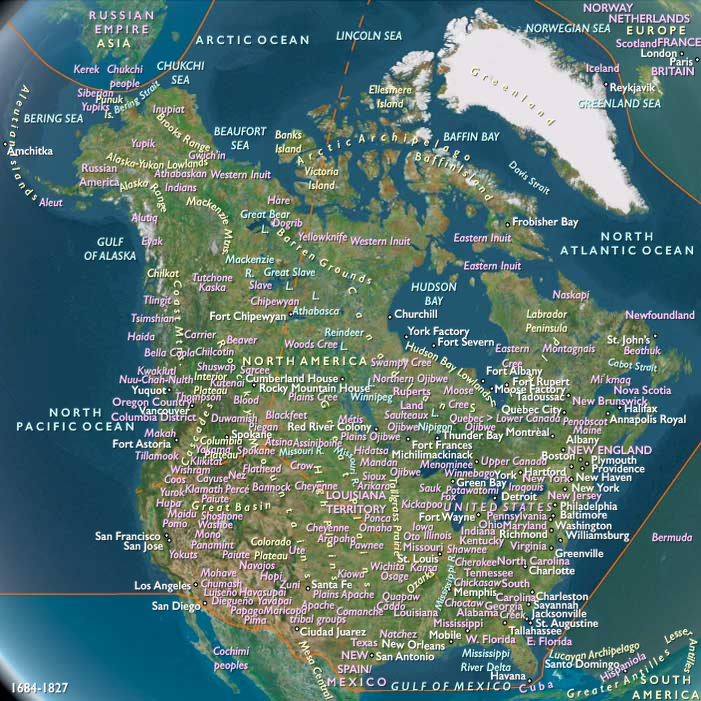
Howe is sent to North America in March 1775, arriving in May after the Revolutionary War breaks out.
After leading British troops to a costly victory in the Battle of Bunker Hill, Howe takes command of all British forces in America from Thomas Gage in September of that year.
Howe's record in North America is marked by the successful capture of both New York City and Philadelphia.
However, poor British campaign planning for 1777 contribute to the failure of John Burgoyne's Saratoga campaign, which plays a major role in the entry of France into the war.
Howe's role in developing those plans, and the degree to which he was responsible for British failures that year (despite his personal success at Philadelphia) have been a subject of contemporary and historic debate.
He resigns his post as Commander in Chief, North America, in 1778, and returns to England, where he is at times active in the defense of the British Isles.
He serves for many years in Parliament, and is knighted after his successes in 1776.
He inherits the Viscountcy of Howe upon the death of his brother Richard in 1799.
He marries, but has no children, and the viscountcy is extinguished with his death in 1814.