William Henry Harrison
9th President of the United States
Years: 1773 - 1841
William Henry Harrison (February 9, 1773 – April 4, 1841) is the ninth President of the United States (1841), an American military officer and politician, and the first president to die in office.
He is 68 years, 23 days old when inaugurated, the oldest president elected until Ronald Reagan in 1981, and the last President to be born before the United States Declaration of Independence.
Harrison dies on his 32nd day in office of complications from pneumonia, serving the shortest tenure in United States presidential history.
His death sparks a brief constitutional crisis, but that crisis ultimately resolves many questions about presidential succession left unanswered by the Constitution until passage of the 25th Amendment.
Before election as president, Harrison serves as the first territorial congressional delegate from the Northwest Territory, governor of the Indiana Territory and later as a U.S. representative and senator from Ohio.
He originally gains national fame for leading U.S. forces against American Indians at the Battle of Tippecanoe in 1811, where he earns the nickname "Tippecanoe" (or "Old Tippecanoe").
As a general in the subsequent War of 1812, his most notable contribution is a victory at the Battle of the Thames in 1813, which brings an end to hostilities in his region.
After the war, Harrison moves to Ohio, where he is elected to the United States Congress, and in 1824 he becomes a member of the Senate.
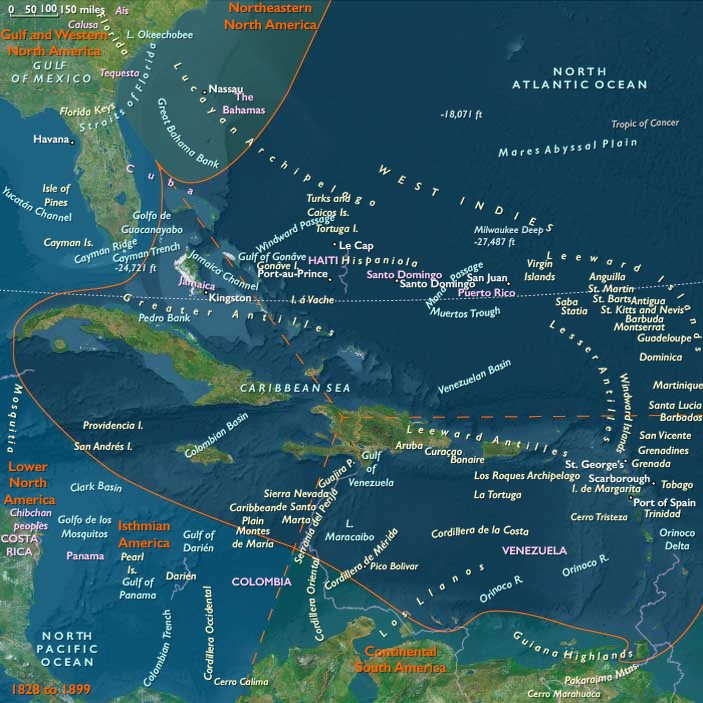
There he serves a truncated term before being appointed as Minister Plenipotentiary to Colombia in May 1828.
In Colombia, he speaks with Simón Bolívar, urging his nation to adopt American-style democracy, before returning to his farm in Ohio, where he liveds in relative retirement until he is nominated for the presidency in 1836.
Defeated, he retires again to his farm before being elected president in 1840, and dies of pneumonia in April 1841, a month after taking office.