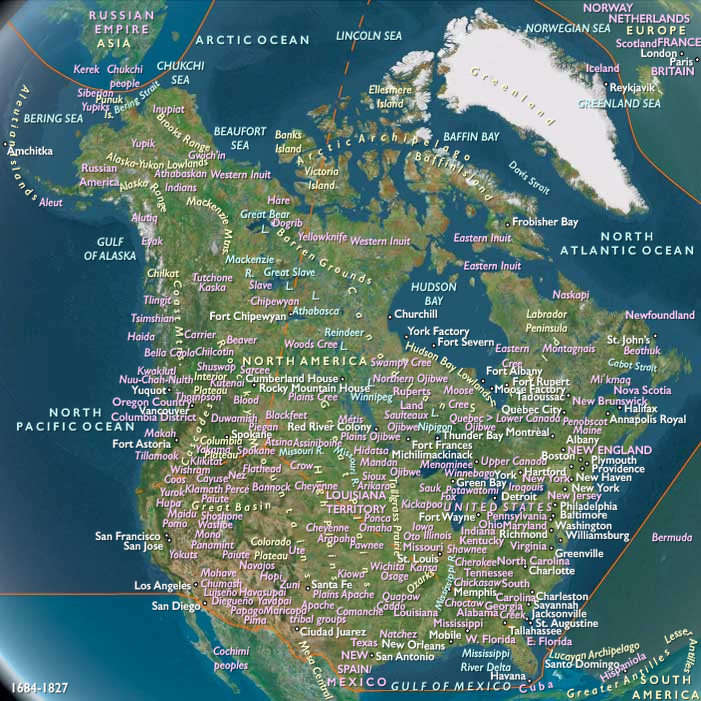
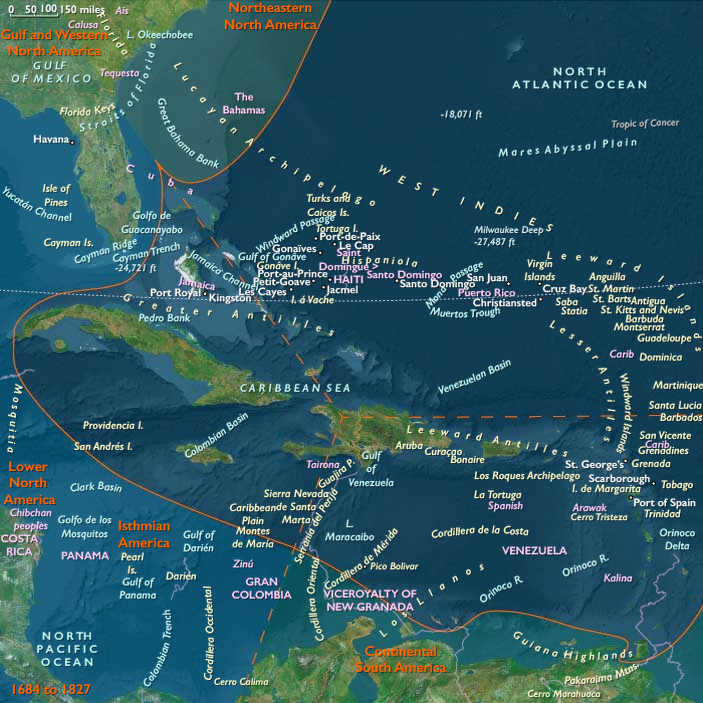
Howe embarks his army again just after midnight on October 18, and decide to land at Pell's Point near the town of Pelham, a few miles to the north.
After hearing of the landing on Throgs Neck, Washington had known he risks entrapment on Manhattan.
He had made the decision to move his army to White Plains, where he believes they will be safe.
By October 17, the Continental Army was on its way to White Plains, leaving behind two thousand men to garrison Fort Washington.
At dawn, the British begin to land on the shore, Clinton's advance guard of four thousand British light infantry and Hessian jägers landing first.
Inland, opposing them, is a brigade of some seven hundred and fifty men under the command of John Glover, commander of the 14th Continental Regiment.
Composed almost entirely of Massachusetts fishermen, this regiment has become known as the "amphibious regiment" for their vital nautical skills.
Glover is atop a hill with a telescope when he notices the British ships.
Glover sends an officer, Major William Lee, to report to Charles Lee, Washington's second in command, and ask for orders.
However, Lee doe not give any orders, and in the absence of orders Glover chooses to attack.
Glover turns out his brigade, which consists of the 14th, 13th, 3rd and the 26th Continental Regiments.
Glover leaves the 1one hundred fifty men of the 14th Continentals behind in reserve.
He has not closed half the distance when he runs into approximately thirty skirmishers.
Glover orders a Captain and his forty-man company forward as an advance guard to hold the British in check, while Glover organized the rest of the force.
Glover prepares an ambush by placing the main body in staggered positions behind the stone walls that lined either side of the laneway leading from the beachhead to the interior.
Glover instructs each of the regiments to hold their position as long as they could and then to fall back to a position in the rear, while the next unit took up the fighting.
Glover then rides up to take command of the advance guard.
The advance guard and the British begin to engage each other, both sides taking casualties.
After a little while the British are reinforced, and Glover orders a retreat, which is done without confusion.
The British troops begin to advance at the retreating Americans.
However, the two hundred troops of the 13th Continentals that Glover has stationed behind the stone wall stand up and fire at the British when there are only thirty yards yards away.
The ambush works, and the column of British troops takes heavy losses and falls back to the main body of the invading army.
The British wait half an hour before attacking again.
This time when they attack, they attack with all four thousand men and seven cannon.
The British bombard the American position behind the stone wall as their infantry advances.
The cannon fire is ineffective, and when the British are fifty yards away the Americans fire a volley that stops the British infantry.
The British return fire, and musket and rifle fire ensue for twenty minutes, the British supported by cannon, at which point the lead American regiment falls back under cover of the next reserve regiment.
The 3rd Continental Regiment is stationed behind the stone wall on the opposite side of the road.
The British attacks the position of the 3rd Continentals, and an engagement ensues.
Both sides keep up constant fire, the Americans breaking the British lines several times.
However, after seventeen volleys, the British numbers begin to overwhelm the Americans, and Glover orders a withdrawal to another stone wall on the crest of a hill while the next regiment in line, the 26th Continentals, engages the British.
A reconnaissance party of thirty men is sent out from behind the third stone wall to see if the British would try and flank the American position. The party runs into the British, who have continued to advance, and they fall back to the stone wall.
The Americans behind the wall fire one volley before Glover gives the order to retreat.
The Americans withdraw across a bridge over the Hutchinson stream, their retreat covered by the one hundred and fifty men of the 14th Continentals who engage in an artillery duel with the British.
Howe camps on a hill on the opposite side of the stream but makes no attempt to cross the stream
View Event