Vitus Bering
Danish-born navigator in the service of the Russian Navy
Years: 1681 - 1741
Vitus Jonassen Bering (baptized 5 August 1681 in Horsens, Denmark – 8 December 1741 on Bering Island, Russia is a Danish-born navigator in the service of the Russian Navyг, known among the Russian sailors as Ivan Ivanovich Bering.
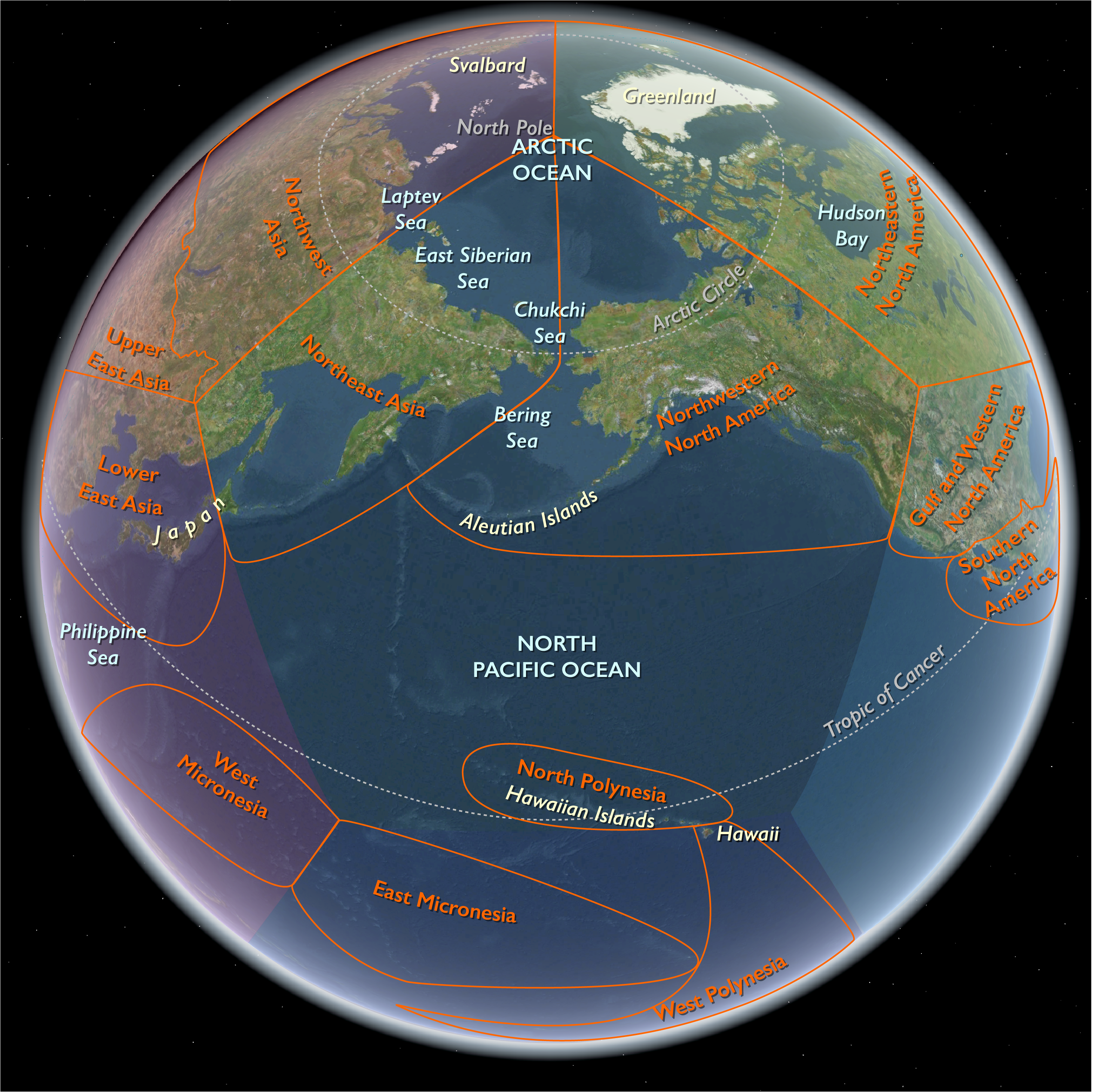
He is known for his two explorations of the northeastern coast of the Asian continent and from there the western coast of the North American continent.
The Bering Strait, the Bering Sea, Bering Island, Bering Glacier and the Bering Land Bridge have since all been (posthumously) named in honor of the explorer.
Taking to the seas at the age of 18, Bering travels extensively over the next eight years, as well as taking naval training at Amsterdam.
In 1704, he enrolls with the rapidly expanding Russian navy of Peter the Great.
After serving with the navy in significant but non-combat roles during the Great Northern War, Bering resigns in 1724 to avoid the continuing embarrassment of his low rank to Anna, his wife of eleven years.
Having obtained a promotion on his retirement to the level of first captain, Bering keeps this rank when he decides to rejoin the Russian navy later the same year.
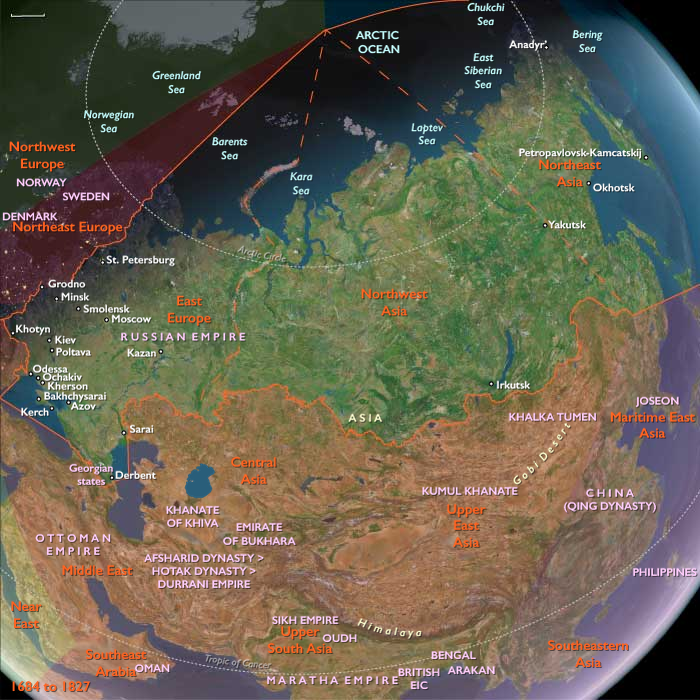
He is selected by Peter to captain the first Kamchatka expedition, an expedition set to sail north from Russian outposts on the Kamchatka peninsula, probably with the greatest emphasis on mapping the new areas visited (and particularly establishing Asia and America shared a land border).
Bering departs St. Petersburg in February 1725 at the head of a 34-man expedition, aided by the expertise of lieutenants Martin Spangberg and Aleksei Chirikov.
The party takes on men as it heads towards Okhotsk, encountering many difficulties (most notably a lack of food) before they arrive in the settlement.
From there, they saill to the Kamchatka peninsula, preparing new ships there and sailing north (repeating a little-documented journey of Semyon Dezhnyov eighty years previously).
In August 1728, Bering decides that they have sufficient evidence that there is clear sea between Asia and America, which he does not sight during the trip.
For the first expedition, Bering is rewarded with money, prestige, and a promotion to the noble rank of Captain Commander.
He immediately begins preparations for a second trip.
Having returned to Okhotsk with a much larger, better prepared, and much more ambitious expedition, Bering sets off for an expedition towards North America in 1741.
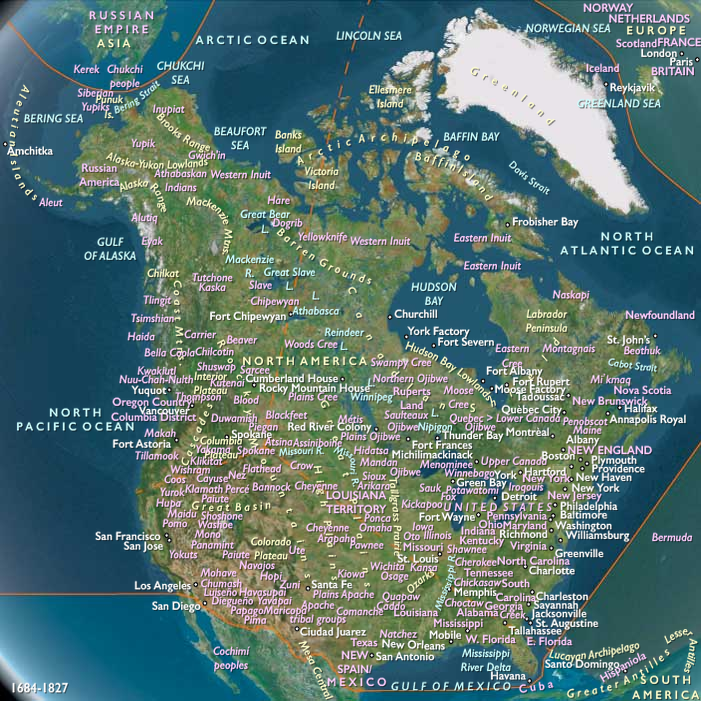
While doing so, the expedition spots the volcano Mount Saint Elias, and sails past Kodiak Island.
A storm separates the ships, but Bering sights the southern coast of Alaska, and a landing is made at Kayak Island or in the vicinity.
Adverse conditions force Bering to return, and he discovers some of the Aleutian Islands on his way back.
One of the sailors dies and is buried on one of these islands, and the group is named after him (as the Shumagin Islands).
Bering himself becomes too ill to command his ship, which is at last driven to seek refuge on an uninhabited island in the Commander Islands group (Komandorskiye Ostrova) in the southwest Bering Sea.
On 19 December 1741 Vitus Bering dies on the island, which is given the name Bering Island after him, near the Kamchatka Peninsula, reportedly from scurvy (although this has been contested, along with 28 men of his company.