Vespasian
9th Emperor of the Roman Empire
Years: 9 - 79
Vespasian (Latin: Titus Flavius Caesar Vespasianus Augustus; 17 November 9 – 23 June 79), is Roman Emperor from CE 69 to CE 79.
Vespasian is the founder of the Flavian dynasty, which rules the Empire for a quarter century.
Vespasian is descended from a family of equestrians, who rose into the senatorial rank under the Emperors of the Julio-Claudian dynasty.
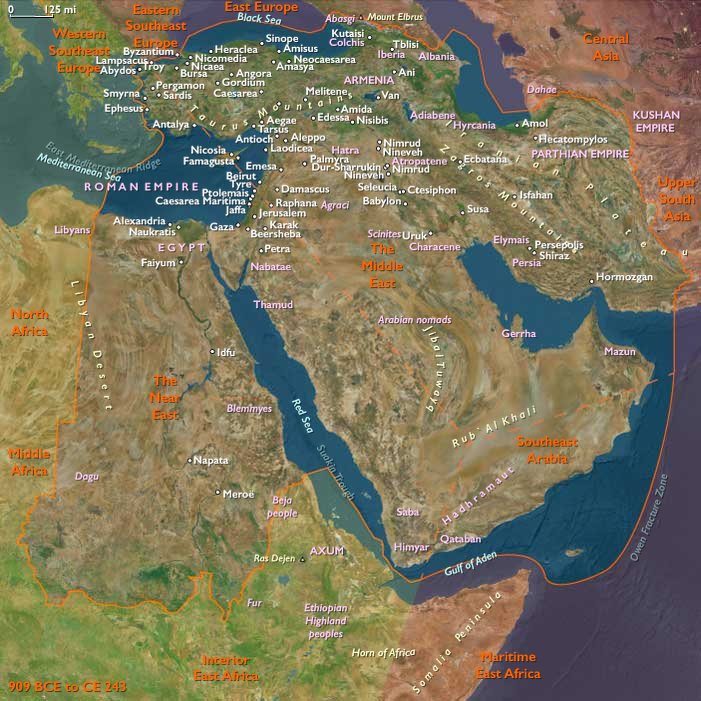
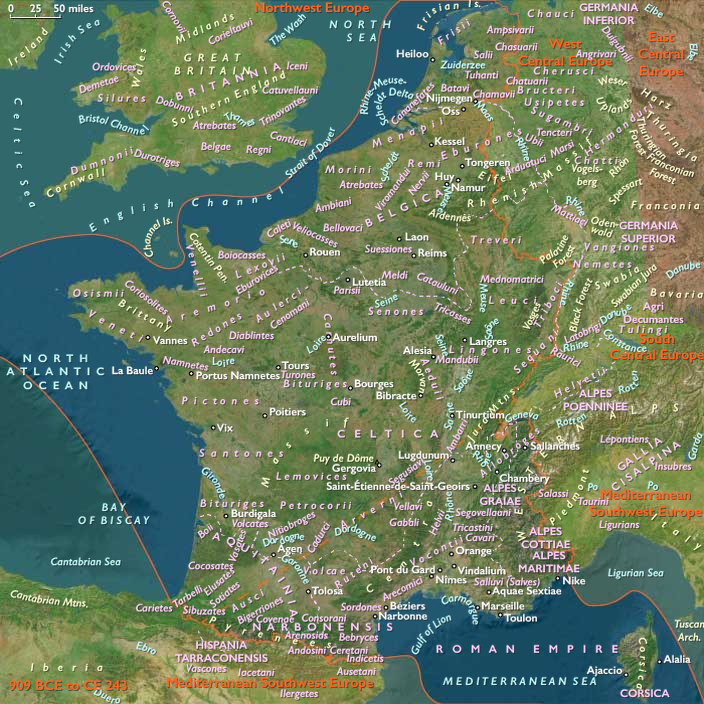
Although he attains the standard succession of public offices, holding the consulship in CE 51, Vespasian becomes more reputed as a successful military commander, participating in the Roman invasion of Britain in 43,and subjugating Judaea during the Jewish rebellion of CE 66 While Vespasian is preparing to besiege the city of Jerusalem during the latter campaign, emperor Nero commits suicide, plunging the empire into a year of civil war known as the Year of the Four Emperors.
After the emperors Galba and Otho perish in quick succession, Vitellius beomes Emperor in April CE 69.
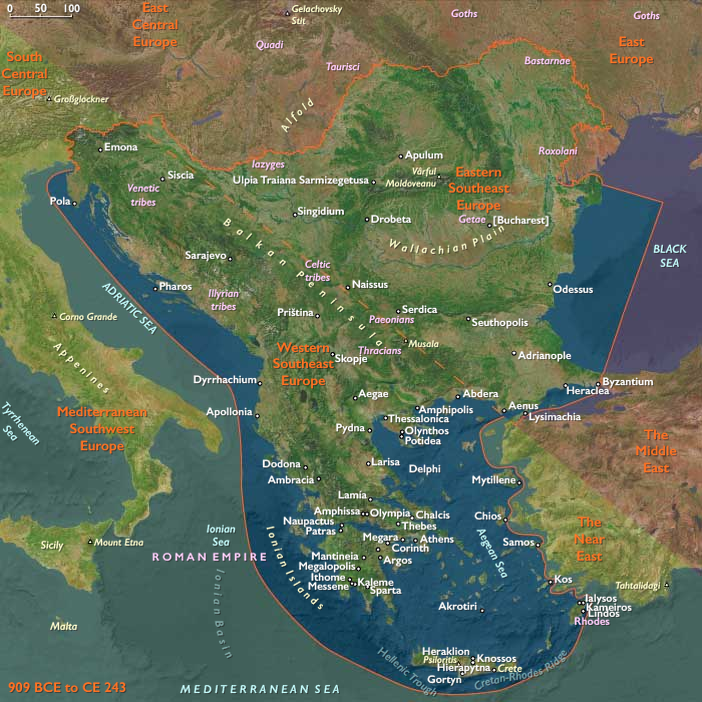
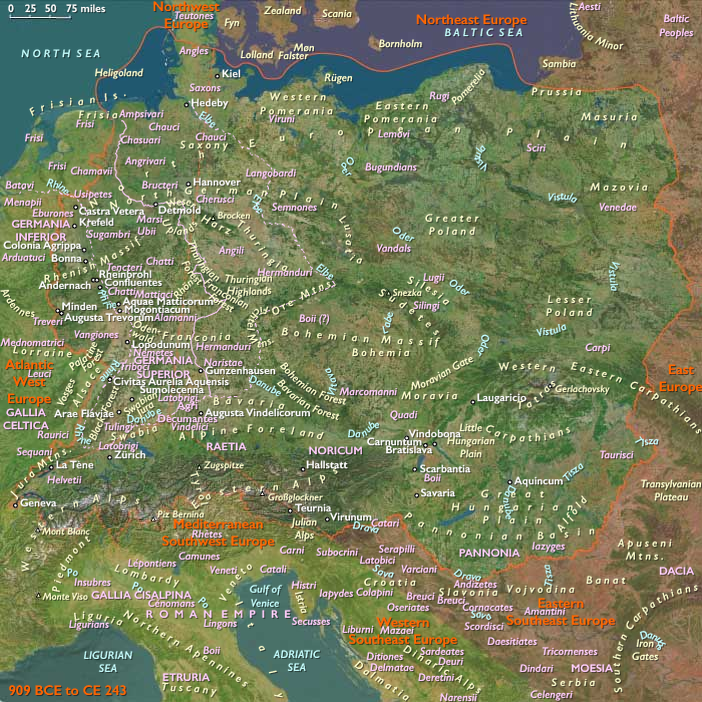
In response, the armies in Egypt and Judaea declare Vespasian emperor on July 1.In his bid for imperial power, Vespasian joins forces with Mucianus, the governor of Syria, and Primus, a general in Pannonia.
Primus and Mucianus lead the Flavian forces against Vitellius, while Vespasian gains control of Egypt.
On 20 December, Vitellius is defeated, and the following day Vespasian is declared Emperor by the Roman Senate.
Little information survives about the government during the ten years Vespasian is emperor.
His reign is best known for financial reforms following the demise of the Julio-Claudian dynasty, the successful campaign against Judaea, and several ambitious construction projects, such as the Colosseum.
Upon his death in 79, he is succeeded by his eldest son Titus, thus becoming the first Roman Emperor to be directly succeeded by his own son.