Trajan
13th Emperor of the Roman Empire
Years: 53 - 117
Trajan (Latin: Marcus Ulpius Nerva Traianus Augustus; 18 September 53 – 9 August 117), is Roman Emperor from 98 to 117 CE.
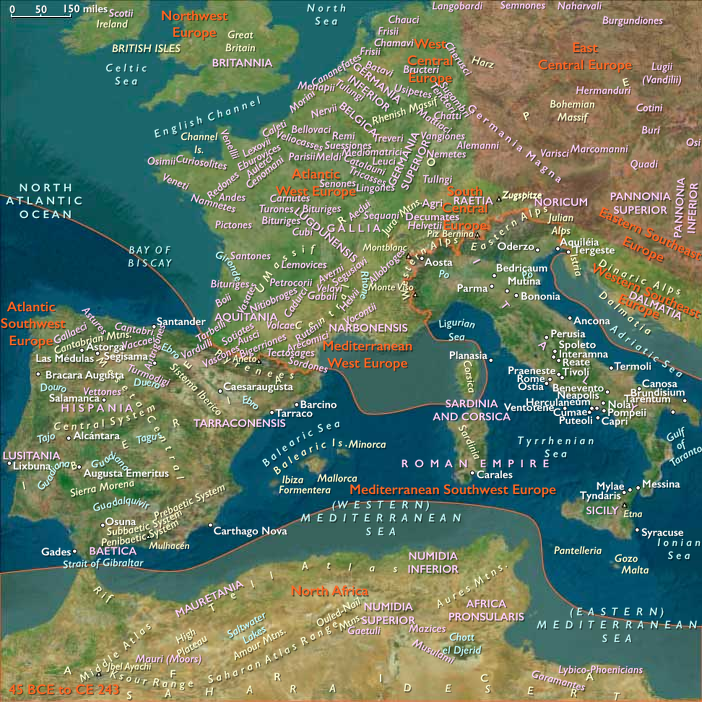
Born into a non-patrician family in the province of Hispania Baetica, Trajan rises to prominence during the reign of emperor Domitian.
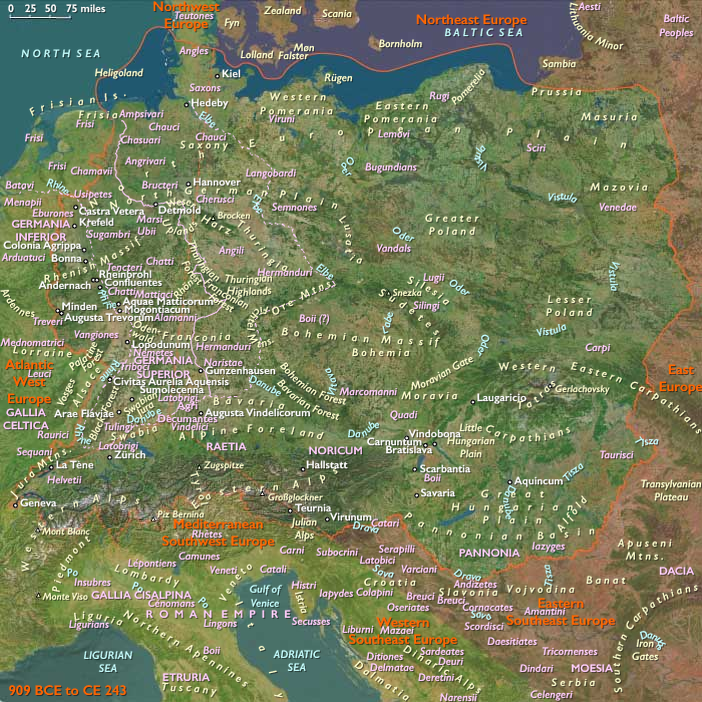
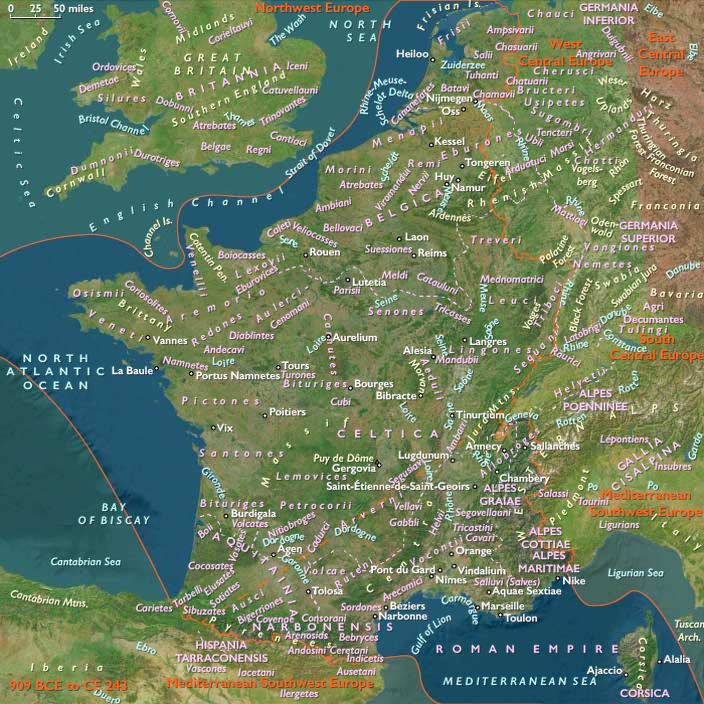
Serving as a legatus legionis in Hispania Tarraconensis, in 89 Trajan supports the emperor against a revolt on the Rhine led by Antonius Saturninus.
In September 96, Domitian is succeeded by Marcus Cocceius Nerva, an old and childless senator who proves to be unpopular with the army.
After a brief and tumultuous year in power, a revolt by members of the Praetorian Guard compel him to adopt the more popular Trajan as his heir and successor.
Nerva dies on 27 January 98, and is succeeded by his adopted son without incident.
As a civilian administrator, Trajan is best known for his extensive public building program, which reshapes the city of Rome and leaves multiple enduring landmarks such as Trajan's Forum, Trajan's Market and Trajan's Column.
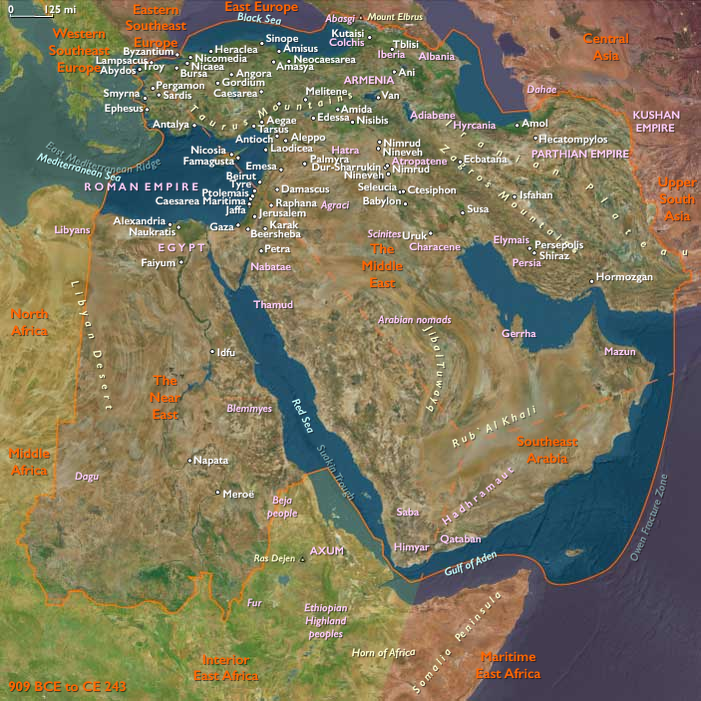
Early in his reign, he annexes the Nabataean kingdom, creating the province of Arabia Petraea.
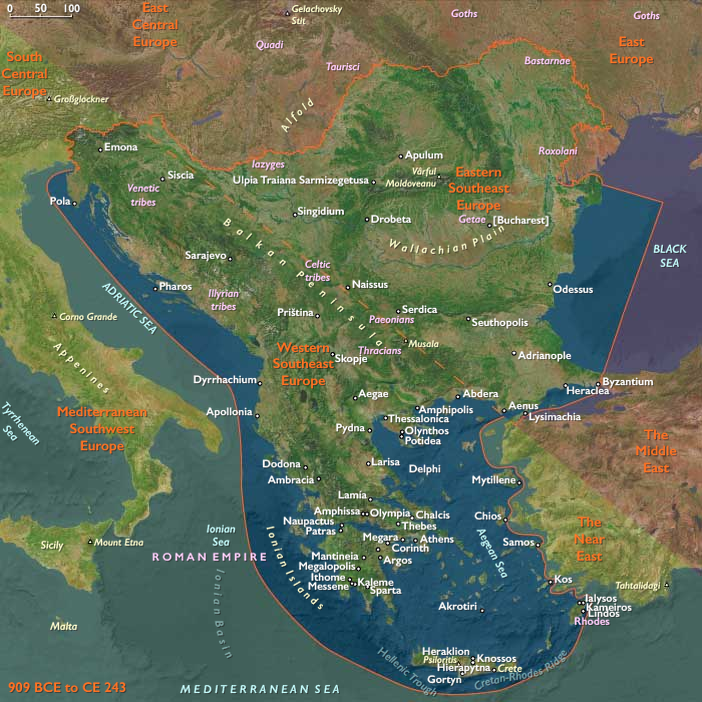
His conquest of Dacia enriches the empire greatly — the new province possesses many valuable gold mines.
His war against the Parthian Empire ends with the sack of the capital Ctesiphon and the annexation of Armenia and Mesopotamia.
His campaigns expand the Roman Empire to its greatest territorial extent.
In late 117, while sailing back to Rome, Trajan falls ill and dies of a stroke in the city of Selinus.
He is deified by the Senate and his ashes are laid to rest under Trajan's Column.
He is succeeded by his adopted son Hadrian.
As an emperor, Trajan's reputation has endured — he is one of the few rulers whose reputation has survived nineteen centuries.
Every new emperor after him was honored by the Senate with the wish felicior Augusto, melior Traiano ("[be] luckier than Augustus and better than Trajan").
Among medieval Christian theologians, Trajan was considered a virtuous pagan, while the 18th century historian Edward Gibbon popularized the notion of the Five Good Emperors, of which Trajan was the second.