The immediate causes of the Peloponnesian War vary from account to account, but three causes are fairly consistent among Thucydides and Plutarch.
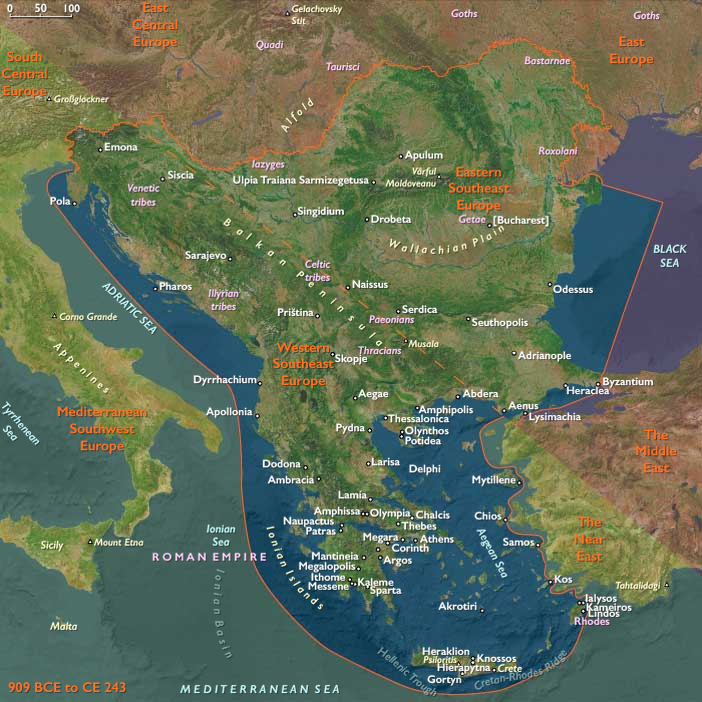
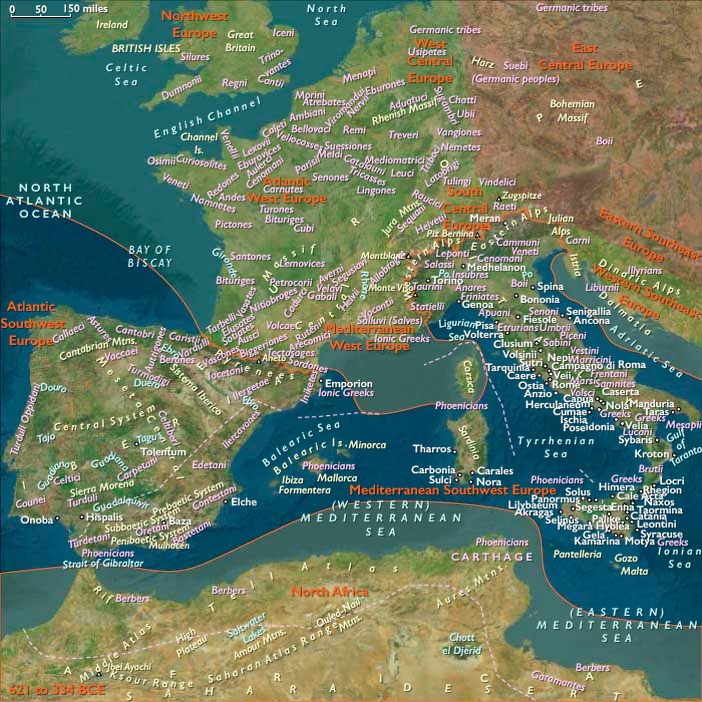
Corinth and one of its colonies, Corcyra (modern-day Corfu), enter into a dispute in 435 BCE over the new Corcyran colony of Epidamnus, and war breaks out between Corinth and Corcyra.
Sparta refuses to become involved in the conflict and urges an arbitrated settlement.
Corcyra in 433 BCE, seeks the assistance of Athens in the war against Corinth, as that city-state is a traditional enemy of Athens.
Emphasizing the strategic locations of Corcyra itself and the colony of Epidamnus on the eastern shore of the Adriatic Sea, Corcyra promises that Athens will have the use of Corcyra's navy, the third largest navy in Greece.
Accordingly, Athens signs a defensive alliance with Corcyra.
Corinth and Athens argue in the next year over control of Potidaea (near modern-day Nea Potidaia), eventually leading to an Athenian siege of Potidaea.
Athens in 434-433 BCE had issued the "Megarian Decrees", a series of economic decrees that places economic sanctions on the Megarian people.
Sparta and her allies accuse Athens of violating the Thirty Years Peace through the aforementioned actions, and, accordingly, formally declare war on Athens.
The war will last twenty-seven years, partly because Athens, a naval power, and Sparta, a land-based military power, will find it difficult to engage with each other.
Historians have traditionally divided the war into three phases.
In the Archidamian War, the first phase of the Great Peloponnesian War, Sparta launches repeated invasions of Attica, while Athens takes advantage of its naval supremacy to raid the coast of the Peloponnese in attempts to suppress signs of unrest in its empire.
A devastating epidemic strikes Athens in ancient Greece during the second year of the war, when an Athenian victory still seems within reach.