Thomas Paine
English-American author, pamphleteer, radical, inventor, intellectual, and revolutionary
Years: 1737 - 1809
Thomas Paine (January 29, 1737 (NS February 9, 1737) – June 8, 1809) is an English-American author, pamphleteer, radical, inventor, intellectual, revolutionary, and one of the Founding Fathers of the United States.
He has been called "a corsetmaker by trade, a journalist by profession, and a propagandist by inclination."
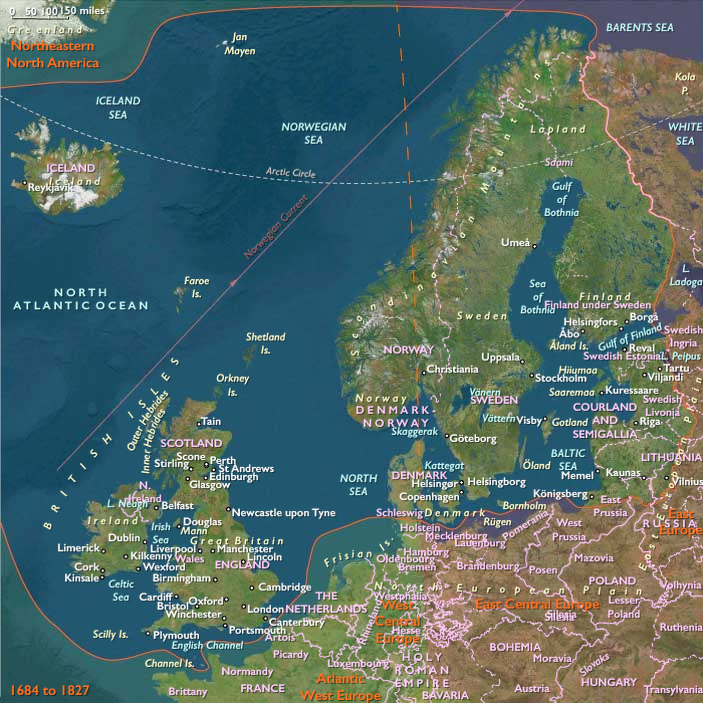
(Saul K. Padover, Jefferson: A Great American's Life and Ideas, New York: The New American Library, 1952, p. 32) Born in Thetford, England, in the county of Norfolk, Paine immigrates to the British American colonies in 1774 in time to participate in the American Revolution.
His principal contributions are the powerful, widely read pamphlet Common Sense (1776), the all-time best-selling American book that advocates colonial America's independence from the Kingdom of Great Britain, and The American Crisis (1776–83), a pro-revolutionary pamphlet series.
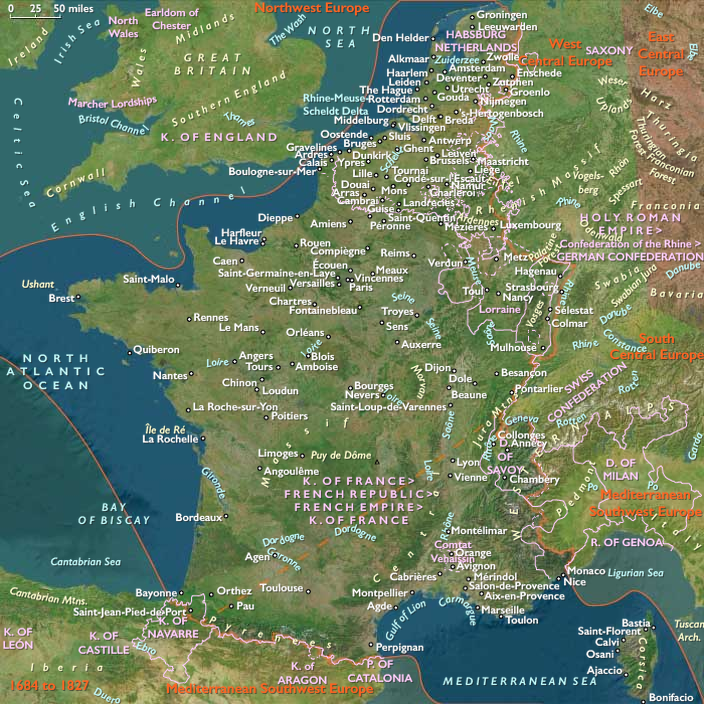
Common Sense is so influential that John Adams said, "Without the pen of the author of Common Sense, the sword of Washington would have been raised in vain.” Paine lives in France for most of the 1790s, becoming deeply involved in the French Revolution.
He writes the Rights of Man (1791), in part a defense of the French Revolution against its critics.
His attacks on British writer Edmund Burke lead to a trial and conviction in absentia in 1792 for the crime of seditious libel.
In 1792, despite not speaking French, he is elected to the French National Convention.
The Girondists regard him as an ally.
Consequently, the Montagnards, especially Robespierre, regard him as an enemy.
In December of 1793, he is arrested and imprisoned in Paris, then released in 1794.
He becomes notorious because of The Age of Reason (1793–94), his book that advocates deism, promotes reason and freethinking, and argues against institutionalized religion in general and Christian doctrine in particular.
He also writes the pamphlet Agrarian Justice (1795), discussing the origins of property, and introduces the concept of a guaranteed minimum income.
In 1802, he returns to America where he dies on June 8, 1809.
Only six people attend his funeral as he had been ostracized for his ridicule of Christianity.