Thomas Müntzer
German preacher and theologian of the early Reformation
Years: 1489 - 1525
Thomas Müntzer (ca.
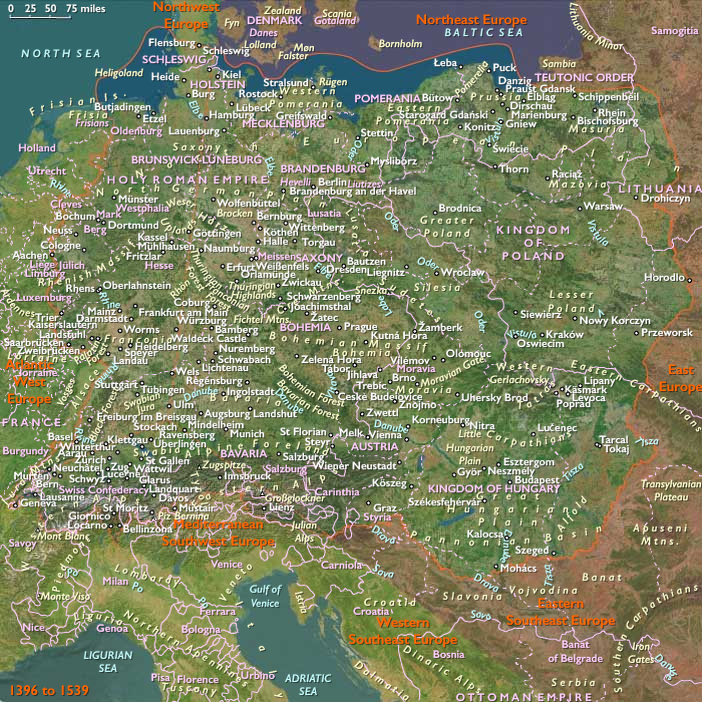
1489 – May 27, 1525) is a German preacher and theologian of the early Reformation whose opposition to both Luther and the established Catholic church leads to his open defiance of late-feudal authority in central Germany.
Müntzer is foremost amongst those reformers who take issue with Luther’s compromises with feudal authority.
He becomes a leader of the German peasant and plebeian uprising of 1525, is captured after the battle of Frankenhausen, and is tortured and executed.
Few other figures of the German Reformation have raised so much controversy, which continues to this day, as Müntzer.
A complex and unique figure in history, he is now regarded as a highly significant player in the early years of the German Reformation and also in the history of European revolutionaries.
Almost all modern studies of Müntzer stress the necessity of understanding his revolutionary actions as a consequence of his theology: Müntzer believed that the end of the world was imminent and that it was the task of the true believers to aid God in ushering in a new era of history.
Within the history of the Reformation, his contribution—especially in liturgy and Biblical exegesis—was of substance, but remains undervalued.