Thomas Mathews
British officer of the Royal Navy
Years: 1676 - 1751
Thomas Mathews (October 1676 – 2 October 1751) is a British officer of the Royal Navy, who rises to the rank of admiral.
Mathews joins the navy in 1690 and sees service on a number of ships, including during the Nine Years' War and the War of the Spanish Succession.
He interspersedsperiods spent commanding ships with time at home at the family estate in Llandaff.
He distinguishes himself with service with Sir George Byng at the Battle of Cape Passaro in 1718, and goes on to command squadrons in the Mediterranean and Indian Ocean, before largely retiring from naval service.
He returns to active service in 1741, following Britain's entry to the War of the Austrian Succession, and takes command of the fleet in the Mediterranean.
The usual difficulties of performing delicate diplomatic duties are further exacerbated by the fact that he is on bad terms with his second in command, Richard Lestock, on whom he relies to manage the fleet.
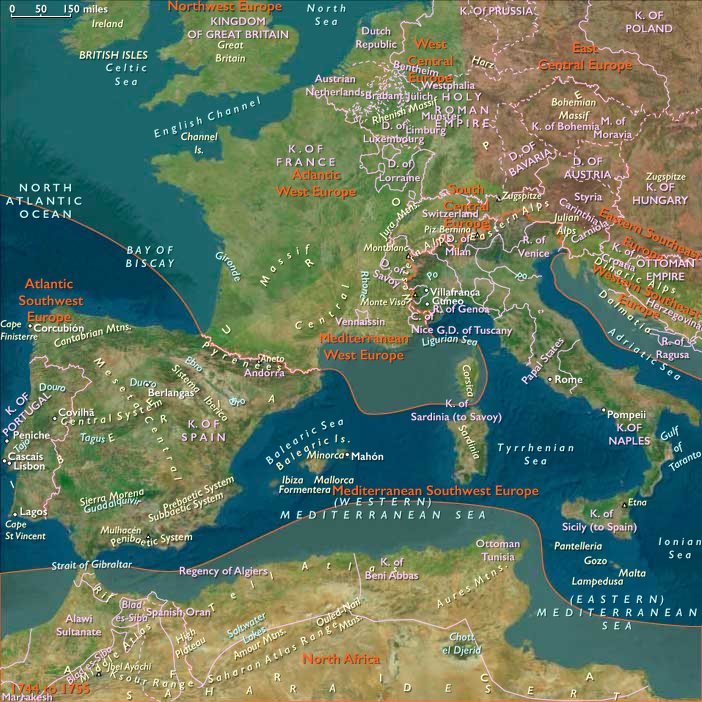
The pivotal moment of his naval career comes in 1744, when he attempts to intercept a Franco-Spanish fleet at the Battle of Toulon.
The action is fought in confused circumstances, with poor communications and the breakdown of the chain of command.
Despite possessing the superior force, Mathews is unable to secure a decisive result, and the enemy are able to escape with the loss of one ship, while Mathews's fleet loses one and has several others badly damaged.
The failure to secure a victory incenses the British public, and a series of courts-martial and a public inquiry lead to several officers being cashiered.
Mathews' second in command, Lestock, is tried but acquitted, blaming the outcome on Mathews' poor planning and ill-tempered and unwise attack.
Mathews is tried and convicted of the charges, and dismissed from the navy.
He returns to his estates at Llandaff, before moving to London and dying there in 1751.