Thomas Hutchinson
businessman, historian, and prominent Loyalist politician of the Province of Massachusetts Bay
Years: 1711 - 1780
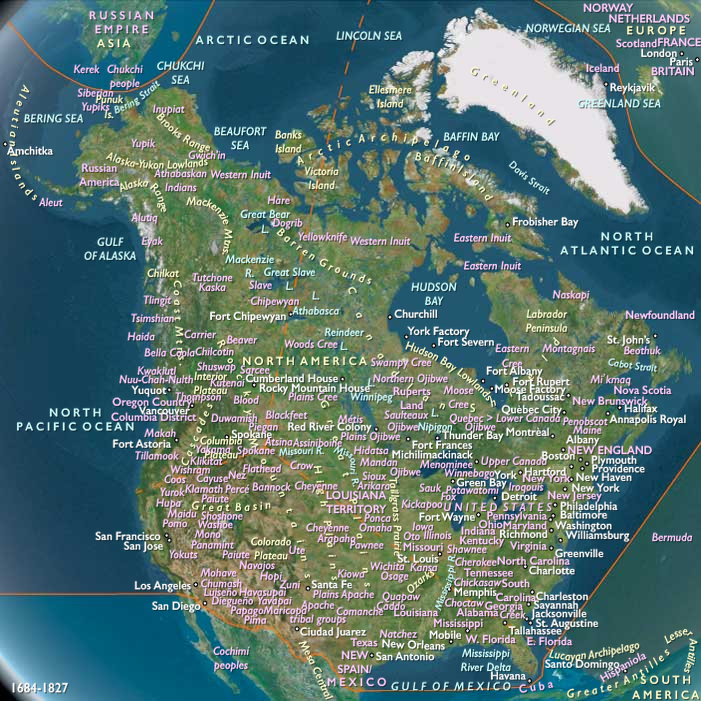
Thomas Hutchinson (9 September 1711 – 3 June 1780) is a businessman, historian, and a prominent Loyalist politician of the Province of Massachusetts Bay in the years before the American Revolution.
A successful businessman, Hutchinson is active at high levels of the Massachusetts government for many years, serving as lieutenant governor and then governor from 1758 to 1774.
He is a politically polarizing figure who, despite initial opposition to Parliamentary tax laws directed at the colonies, comes to be identified by John Adams and Samuel Adams as a proponent of hated British taxes.
He is blamed by Lord North (the British Prime Minister at this time) for being a significant contributor to the tensions that lead the outbreak of the American Revolutionary War.
Hutchinson's Boston mansion is ransacked in 1765 during protests against the Stamp Act, damaging his collection of materials on early Massachusetts history.
As acting governor in 1770 he exposes himself to mob attack in the aftermath of the Boston massacre, after which he orders the removal of troops from Boston to Castle William.
Letters of his calling for abridgment of colonial rights are published in 1773, further intensifying dislike of him in the colony.
He is replaced as governor in May 1774 by General Thomas Gage, and goes into exile in England, where he advises the government on how to deal with the Americans.
Hutchinson has a deep interest in colonial history, collecting a large number of historical documents.
He writes a three volume History of the Province of Massachusetts Bay, whose last volume, published posthumously, covers his own period in office.
Historian Bernard Bailyn wrote of Hutchinson, "If there was one person in America whose actions might have altered the outcome [of the protests and disputes preceding the American Revolutionary War], it was he."
(Bailyn, Bernard (1974).
The Ordeal of Thomas Hutchinson.
Cambridge, MA: Harvard University Press)