Theramenes
Athenian politician
Years: 442BCE - 404BCE
Theramenes (442–404 BC) is an Athenian statesman, prominent in the final decade of the Peloponnesian War.
He is particularly active during the two periods of oligarchic government at Athens, as well as in the trial of the generals who had commanded at Arginusae in 406 BCE.
A moderate oligarch, he often finds himself caught between the democrats on the one hand and the extremist oligarchs on the other.
Successful in replacing a narrow oligarchy with a broader one in 411 BCE, he fails to achieve the same end in 404 BCE, and is executed by the extremists whose policies he had opposed.
Theramenes is a central figure in four major episodes of Athenian history.
He appears on the scene in 411 BCE as one of the leaders of an oligarchic coup, but, as his views and those of the coup's other leaders diverge, he begins to oppose their dictates and takes the lead in replacing the narrow oligarchy they had imposed with a more broadly based one.
He serves as a general for several years after this, but is not reelected to that office in 407 BCE.
After the Battle of Arginusae, in which he serves as a trierarch, he is assigned to rescue Athenian sailors from sinking ships, but is prevented from doing so by a storm.
That incident prompts a massive furor at Athens, in which Theramenes has to exonerate himself from responsibility for the failed rescue; the controversy ends in the execution of six generals who had commanded at that battle.
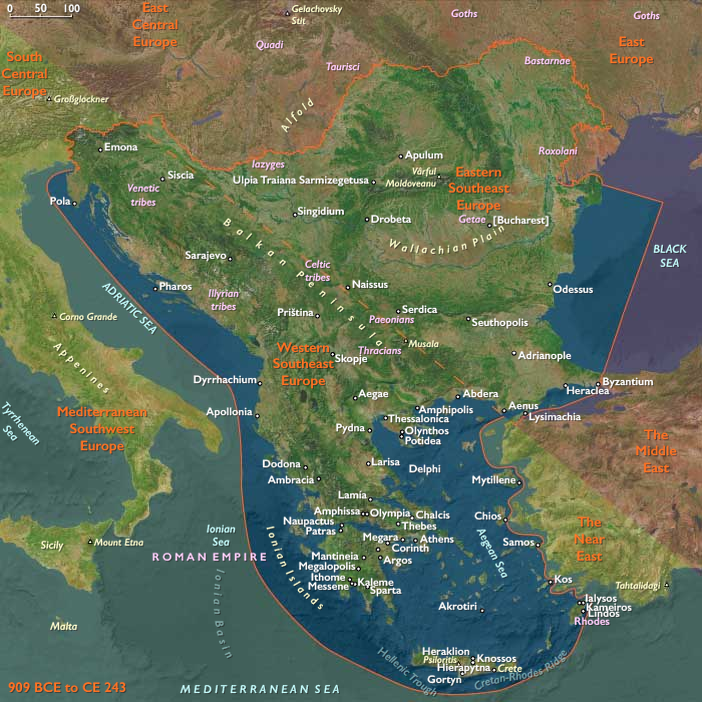
After the Athenian defeat at Aegospotami in 405 BCE, Theramenes arranges the terms by which Athens surrenders to Sparta.
He then becomes a member of the narrow oligarchic government, known as the Thirty Tyrants, that Sparta imposes on its defeated rival.
As he had in 411 BCE, Theramenes soon comes into conflict with the more extreme members of that government; his protests against the reign of terror the Thirty have implemented leads the leading oligarchs to plot his demise; he is denounced before the oligarchic assembly, and then, when that body appears reluctant to punish him, struck from the roster of citizens and executed without trial.
Theramenes remained a controversial figure after his death; Lysias vigorously denounced him while prosecuting several of his former political allies, but others defended his actions.
Modern historical assessments have shifted over time; in the 19th century, Theramenes's part in the coup of 411 BCE and his use of Arginusae were widely condemned, but newly discovered ancient texts and 20th-century scholarship supported more positive assessments.
Some historians have found in Theramenes a selfish opportunist, others a principled moderate.
The details of his actions, his motivations, and his character continue to be debated down to the present day.