Takelot II
Pharaoh of Egypt, 22nd Dynasty
Years: 865BCE - 814BCE
Hedjkheperre Setepenre Takelot II Si-Ese is a pharaoh of the Twenty-second Dynasty of Ancient Egypt in Middle and Upper Egypt.
He has been identified as the High Priest of Amun Takelot F, son of the High Priest of Amun Nimlot C at Thebes and, thus, the son of Nimlot C and grandson of king Osorkon II according to the latest academic research.
Based on two lunar dates belonging to Takelot II, this Upper Egyptian pharaoh is today believed to have ascended to the throne of a divided Egypt in either 845 BCE or 834 BCE.
Most Egyptologists today including Aidan Dodson Gerard Broekman, Jürgen von Beckerath, M.A.
Leahy and Karl Jansen-Winkeln also accept David Aston's hypothesis that Shoshenq III was Osorkon II's actual successor at Tanis, rather than Takelot II.
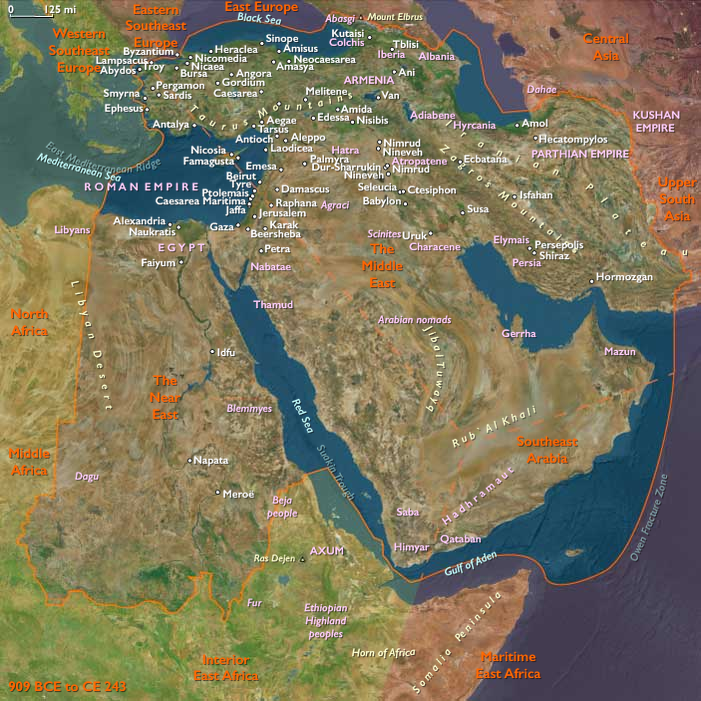
Takelot II rather rules a separate kingdom that embraces Middle and Upper Egypt, distinct from the Tanite Twenty-second Dynasty who only control Lower Egypt.
Takelot F, the son and successor of the High Priest of Amun Nimlot C, serves for a period of time under Osorkon II as a High Priest of Amun before he proclaims himself as king Takelot II in the final three regnal years of Osorkon II.
This situation is attested by the relief scenes on the walls of Temple J at Karnak which was dedicated by Takelot F – in his position as High Priest – to Osorkon II, who is depicted as the celebrant and king.
All the documents that mention Takelot II Si-Ese and his son, Osorkon B, originate from either Middle or Upper Egypt (none from Lower Egypt) and a royal tomb at Tanis which named a king Hedjkheperre Setepenre Takelot along with a Year 9 stela from Bubastis are now recognized as belonging exclusively to Takelot I.
While both Takelot I and II used the same prenomen, Takelot II added the epithet Si-Ese ("Son of Isis") to his royal titulary both to affiliate himself with Thebes and to distinguish his name from Takelot I.