Tahmasp I
Shah of Persia
Years: 1514 - 1576
Tahmasp I (February 22, 1514 – May 14, 1576) is an influential Shah of Iran, who enjoys the longest reign of any member of the Safavid dynasty.
He is the son of Ismail I and Shah-Begi Khanum (known under the title Tajlu Khanum) of the Turkmen Mawsillu tribe.
Ascending the throne at aged ten in 1524, he comes under the control of the Qizilbash, Turkic tribesmen who form he backbone of the Safavid power.
The Qizilbash leaders fight among themselves for the right to be regents over Tahmasp, and by doing so hold most of the effective power in hands in the empire.
Upon reacjing his majority, however, Tahmasp is able to reassert the power of the Shah and control the tribesmen with the start of the introduction of large amounts of Caucasian elements, effectively and purposefully creating a new layer in Iranian society, solely composed of ethnic Caucasians.
This new layer, also called the third force in some of the modern day sources, is composed solely of hundreds of thousands of ethnic Circassians, Georgians and Armenians, and they will continue to play a crucial role in Persia's royal household, harems, civil and military administration, as well as in all other available positions for centuries after Tahmasp, and they will eventually fully eliminate the effective power of the Qizilbash in most of the functioning posts of the empire, by which they will also become the most dominant class in the meritocratic Safavid kingdom as well.
One of his most notable successors, the greatest Safavid emperor, Abbas I (also known as Abbas the Great) will fully implement and finalize this policy and the creation of this new layer in Iranian society.
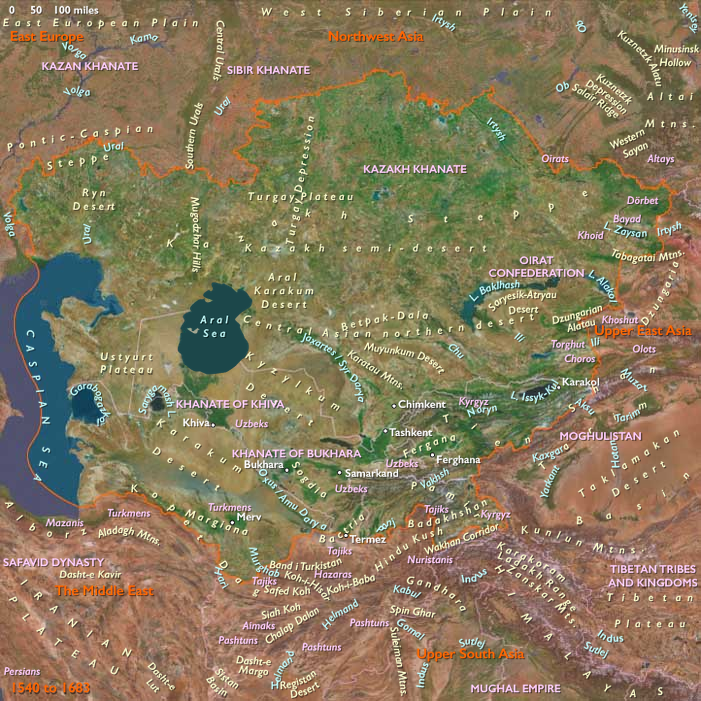
Tahmasp's reign is marked by foreign threats, primarily from the Safavid's arch rival, the Ottomans, and the Uzbeks in the far east.
In 1555, however, he regularizes relations with the Ottoman Empire through the Peace of Amasya.
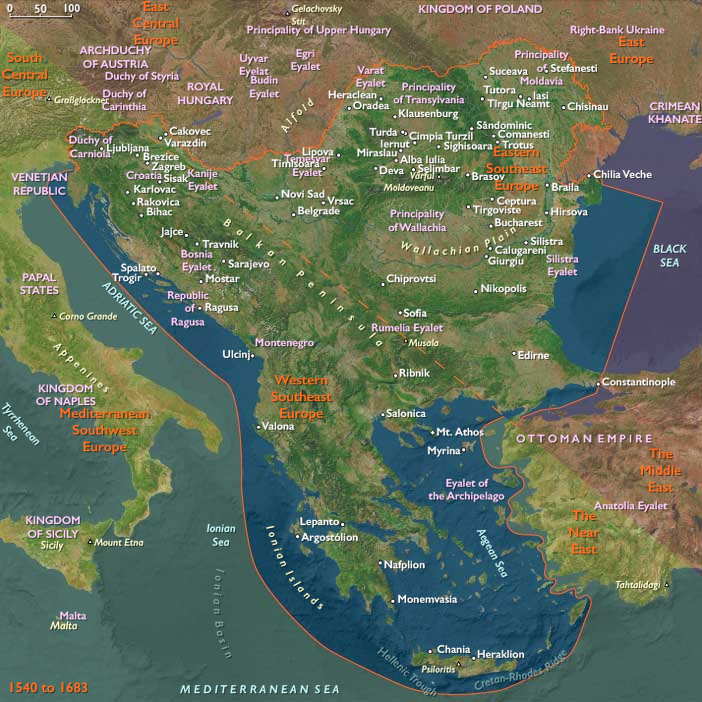
By this treaty historical Armenia and Georgia are divided equally between the two: the Ottoman Empire obtain most of Iraq, including Baghdad, which gives them access to the Persian Gulf, while the Persians retan their former capital Tabriz and all their other northwestern territories in the Caucasus (Dagestan, Azerbaijan) and as they were prior to the wars.
The frontier thus established runs across the mountains dividing eastern and western Georgia (under native vassal princes), through Armenia, and via the western slopes of the Zagros down to the Persian Gulf.
The Ottomans, further, give permission for Persian pilgrims to go to the holy places of Mecca and Medina as well as to the Shia sites of pilgrimages in Iraq.
This peace lasts for thirty years, until it is broken in the time of Shah Mohammed Khodabanda.
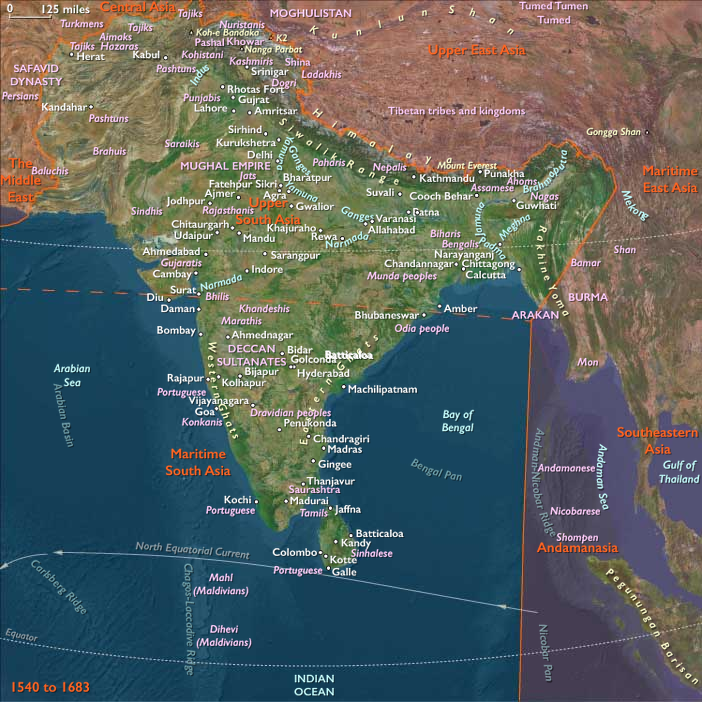
Tahmasp is also known for the reception he gives to the fugitive Mughal Emperor Humayun as well as Suleiman the Magnificent's son Bayezid, which is depicted in a painting on the walls of the Safavid palace of Chehel Sotoon.
One of Shah Tahmasp's more lasting achievements is his encouragement of the Persian rug industry on a national scale, possibly a response to the economic effects of the interruption of the Silk Road carrying trade during the Ottoman wars.