Taharqa
pharaoh of Egypt
Years: 715BCE - 664BCE
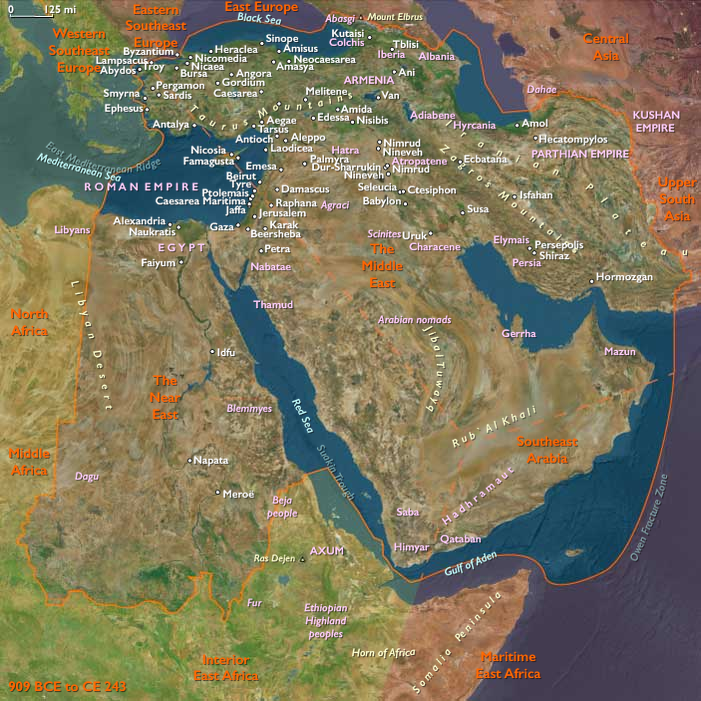
Taharqa was a pharaoh of the Ancient Egyptian 25th dynasty and king of the Kingdom of Kush, which was located in Northern Sudan.
Taharqa is the son of Piye, the Nubian king of Napata who had first conquered Egypt.
Taharqa is also the cousin and successor of Shebitku.
The successful campaigns of Piye and Shabaka paved the way for a prosperous reign by Taharqa.
Taharqa's reign can be dated from 690 BCE to 664 BCE.
Evidence for the dates of his reign are derived from the Serapeum stela, catalog number 192.
This stela records that an Apis bull who was born and installed (4th month of Peret, day 9) in Year 26 of Taharqa died in Year 20 of Psammetichus I (4th month of Shomu, day 20), having lived 21 years.
This would give Taharqa a reign of 26 years and a fraction, in 690-664 BCE.
Taharqa explicitly states in Kawa Stela V, line 15, that he succeeded Shebitku with this statement: "I received the Crown in Memphis after the Falcon (i.e: Shebitku) flew to heaven."
Although Taharqa's reign was filled with conflict with the Assyrians, it was also a prosperous renaissance period in Egypt and Kush.
When Taharqa was about 20 years old, he participated in a historic battle with the Assyrian emperor Sennacherib at Eltekeh.
At Hezakiah's request, Taharqa and the Egyptian/Kushite army managed to stall the Assyrian advance on Jerusalem.
Sennacherib abandoned the siege and returned home.
Thus, Taharqa saved Jerusalem and the Hebrew society from destruction, a pivotal point in world and Hebrew history.
The might of Taharqa's military forces was established at Eltekeh, leading to a period of peace in Egypt.
During this period of peace and prosperity, the empire flourished.
In the sixth year of Taharqa's reign, the prosperity was also aided by abundant rainfall and a large harvest.
Taharqa took full advantage of the lull in fighting and abundant harvest.
He restored existing temples, built new temples, and built the largest pyramid in the Napatan region.
Particularly impressive were his additions to the Temple at Karnak, new temple at Kawa, and temple at Jebel Barkal.