Northeast Europe (1240–1251 CE): Climactic Struggles, Prussian Defeat, and Crusader Consolidation
Introduction
Between 1240 and 1251 CE, Northeast Europe witnessed the climax of intense struggles between Baltic tribes and the crusading forces of Denmark, Germany, and Sweden. The resolution of the major Prussian uprisings, ongoing territorial consolidation by crusaders, and continued Baltic resistance marked a decisive turning point, establishing a lasting crusader presence in the region.
The Prussian Uprisings: Final Confrontations
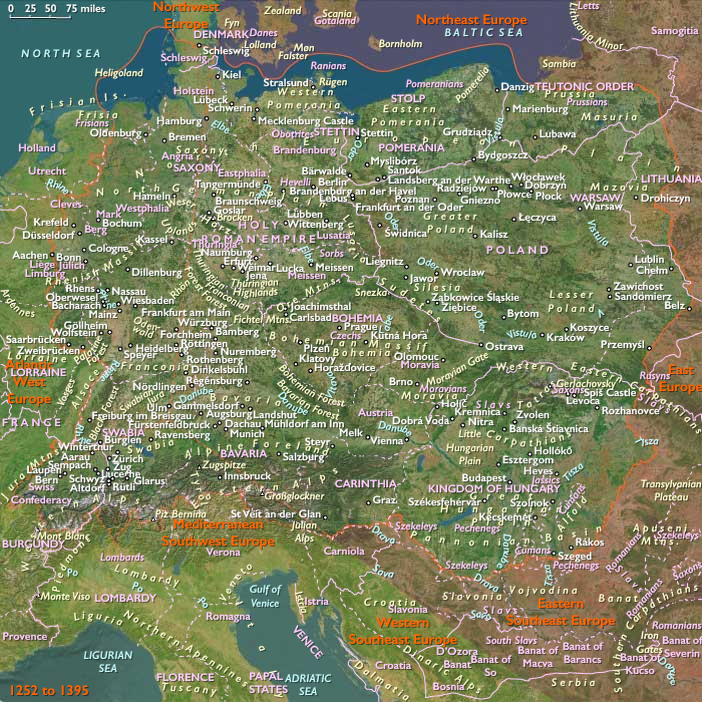
The series of Prussian rebellions against the Teutonic Knights reached a critical juncture in this era. Earlier successes had emboldened the Baltic Prussians, whose fierce resistance initially pushed the Teutonic Knights to the brink of defeat. The Prussians, supported previously by Duke Swietopolk II of Pomerania, suffered a severe setback as Swietopolk was forced into peace after military defeats.
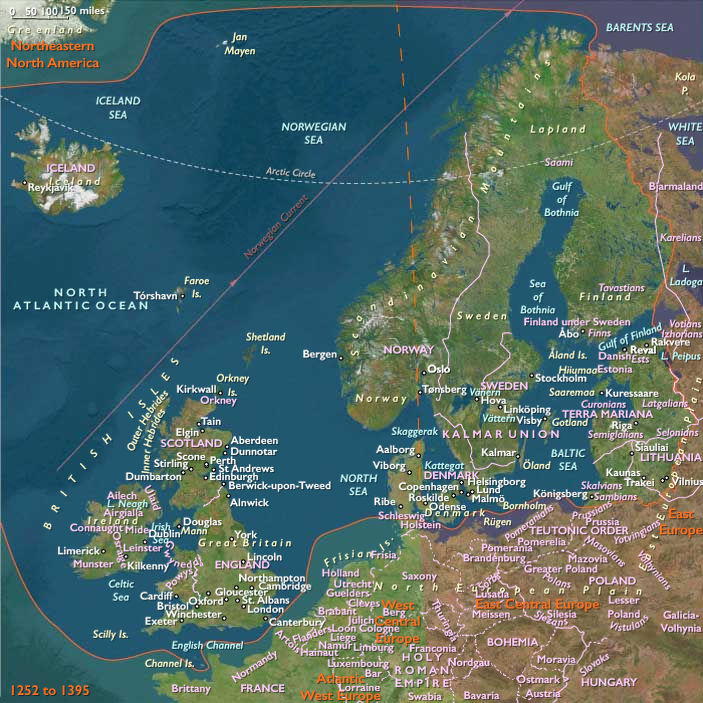
The fragile peace treaty brokered by representatives of Pope Innocent IV soon unraveled, especially following the decisive Battle of Krücken at the end of 1249, a turning point after which the Teutonic Knights decisively reestablished control over Prussian territories. By 1251, most major Prussian clans had succumbed to Teutonic dominance, leading to widespread forced conversions, military occupation, and the embedding of a rigid crusader regime.
Danish Estonia and the Livonian Confederation
In Danish-controlled Estonia, stability and control further solidified around the capital of Reval (Tallinn), symbolized by the imposing fortress Castrum Danorum at Toompea Hill. Danish authorities expanded administrative and ecclesiastical infrastructure, strengthening the crown’s grip on its Baltic territories.
Simultaneously, the Livonian Confederation under German administration continued to thrive. The strategic city of Riga grew in prominence as a major political, economic, and ecclesiastical hub, serving as a stronghold of German power in Livonia and a vital center of crusader operations.
Continued Swedish Colonization in Finland
Sweden deepened its colonization and Christianization efforts in southern Finland, reinforcing a distinct identity that would diverge culturally and politically from the Baltic tribes further south. The solidification of Swedish control during this era significantly influenced Finland's future trajectory, aligning it more closely with Scandinavian structures.
Baltic Resistance and Its Aftermath
While the Estonians, Latvians, and other Baltic tribes remained determined to resist foreign domination, their capacity for sustained rebellion diminished due to relentless crusader military pressure and fortified settlements. The defeat of the Prussians symbolized the broader Baltic struggle; despite heroic resistance, Baltic tribes were increasingly forced into subjugation or retreat, marking a shift towards enduring crusader authority.
Economic and Urban Flourishing
Economic development flourished within crusader-controlled cities, notably Reval (Tallinn) and Riga, as these urban centers matured into major commercial and maritime hubs. Visby on Gotland retained its commercial prominence, further integrating Northeast Europe into wider European economic networks.
Ecclesiastical Authority and Cultural Integration
Ecclesiastical institutions, especially under the Teutonic Knights and other German monastic orders, established extensive networks of churches, monasteries, and dioceses. This facilitated cultural assimilation and systematic Christianization of local populations. The dominance of ecclesiastical authorities cemented Latin Christianity’s profound influence over the region.
Legacy of the Era
The era from 1240 to 1251 CE marked a definitive moment in Northeast Europe's history. The conclusive suppression of the Prussian uprisings, the firm establishment of crusader control in Estonia, Livonia, and Prussia, and continued Swedish colonization in Finland laid enduring foundations. The region emerged from this tumultuous era firmly integrated into Latin Christendom, profoundly shaping its cultural, political, and religious identity for centuries to come.