Stephen Decatur
United States naval officer and commodore
Years: 1779 - 1820
Stephen Decatur, Jr. (January 5, 1779 – March 22, 1820) is a United States naval officer and commodore.
He was born on the eastern shore of Maryland, in Worcester County, the son of a U.S. naval officer who served during the American Revolution.
Decatur's father, Stephen Decatur, Sr., is a commodore in the U.S. Navy, and brings the younger Stephen into the world of ships and sailing early on.
Shortly after attending college, Decatur follows in his father's footsteps and joinsthe U.S. Navy at the age of nineteen as a midshipman.
Decatur supervises the construction of several U.S. naval vessels, one of which he will later command.
He is the youngest man to reach the rank of captain in the history of the United States Navy.
He serves under three presidents, and plays a major role in the early development of the American navy.
In almost every theater of operation, Decatur's service is characterized by acts of heroism and exceptional performance.
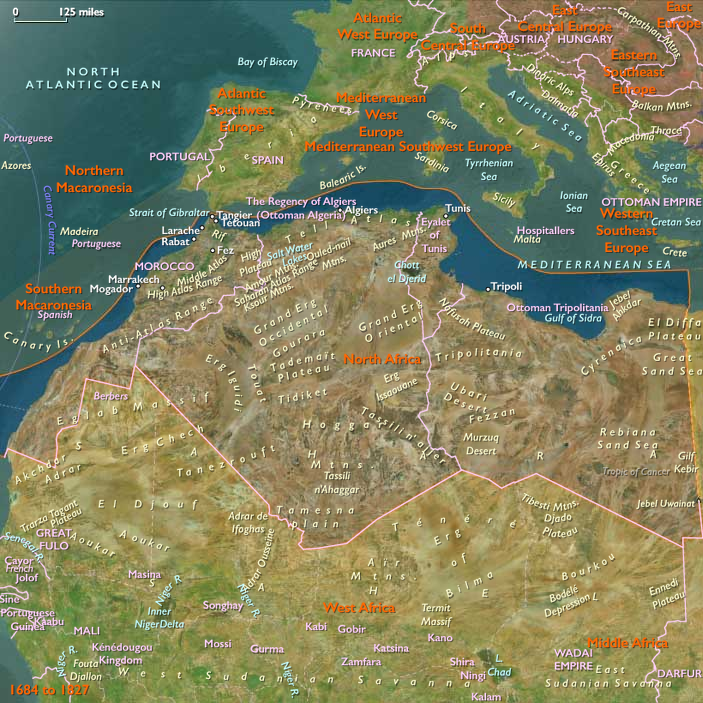
His service in the Navy takes him through both Barbary Wars in North Africa, the Quasi-War with France, and the War of 1812 with Britain.
He is renowned for his natural ability to lead and for his genuine concern for the seamen under his command.
His numerous naval victories against Britain, France and the Barbary states establish the United States Navy as a rising power.
During this period he serves aboard and commands many naval vessels and ultimately becomes a member of the Board of Navy Commissioners.
He buidls a large home in Washington, known as Decatur House, on Lafayette Square, and is the center of Washington society in the early nineteenth century.
He becomes an affluent member of Washington society and counts James Monroe and other Washington dignitaries among his personal friends.
Decatur's career comes to an early end when he is killed in a duel with a rival officer.
Decatur emerges as a national hero in his own lifetime, becoming the first post-Revolutionary War hero.
His name and legacy, like that of John Paul Jones, become identified with the United States Navy.