Jan Zamoyski, Polish grand crown chancellor (kanclerz) and military commander (grand crown hetman), known for his opposition towards the Habsburgs, had been a vocal supporter of Commonwealth expansion in the southern direction.
Zamoyski had supported the early plans made by Commonwealth King Stefan Batory for the war against the Ottomans, viewing those plans as a good long-term strategy for the Commonwealth.
Any policy that was against the Ottomans was also supported by the Holy See, and Pope Sixtus V had strongly expressed his support for any war between the Commonwealth and the Ottomans.
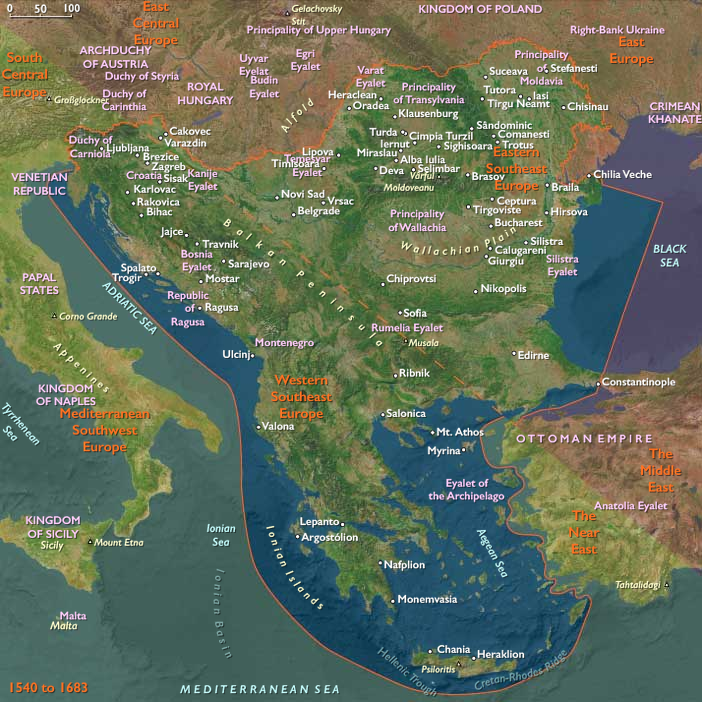
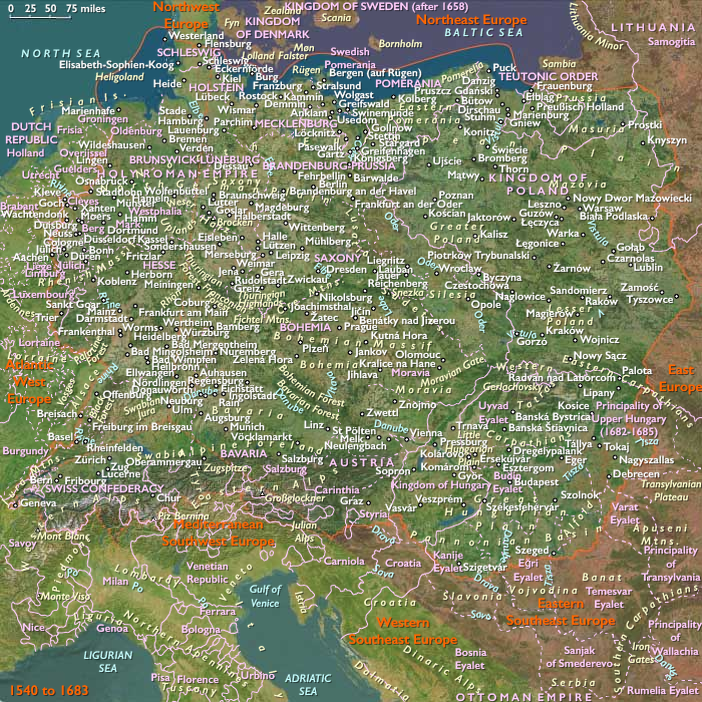
Three powerful magnate families from the Commonwealth, the Potockis, Koreckis and Wisniowieckis, were related to the Moldavian Hospodar (Prince or Voivode) Ieremia Movilă (Jeremi Mohyła), and, after his death in 1606, they had supported his descendants.
Stefan Potocki had in 1607 set his brother-in-law (and son of Ieremia), Constantin Movilă (Konstanty Mohyła), on the Moldavian throne.
However, Potocki was one of the pro-Habsburg magnates and Gabriel Batory, the anti-Habsburg ruler of Transylvania, had removed Constantin Movilă in 1611.
The Moldavian throne now fell to Ştefan II Tomşa (Tomża).
A second intervention by Stefan Potocki (with the tacit assistance from Sigismund III, but against the will of Sejm and Senate) in 1612 is a complete failure, his seven-thousand strong army defeated on July 19, in the Battle of Sasowy Róg (near Ştefăneşti) by troops of Tomşa and Khan Temir's Tatars of the Budjak Horde.
Stefan Potocki and Constantin Movilă will end their lives in Ottoman captivity in Constantinople.