Sossianus Hierocles
Roman aristocrat and officeholder
Years: 260 - 325
Sossianus Hierocles (fl.
303) is a late Roman aristocrat and officeholder.
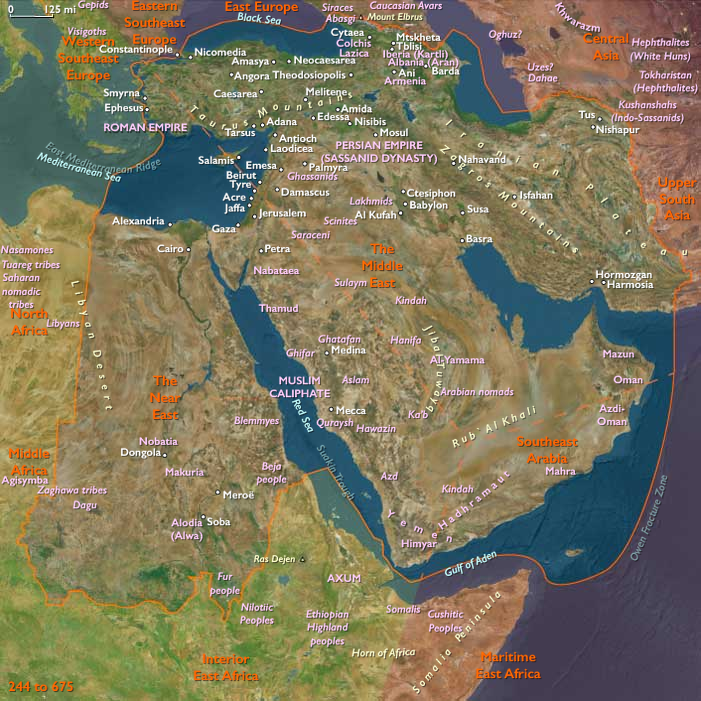
He serves as a praeses in Syria under Diocletian at some time in the 290s.
He is then made vicarius of some district, perhaps Oriens (the East, including Syria, Palestine, and, at the time, Egypt) until 303, when he is transferred to Bithynia.
It is for his anti-Christian activities in Bithynia that he is principally remembered.
He is, in the words of the Cambridge Ancient History, "one of the most zealous of persecutors".
While in Bithynia, Hierocles authors Lover of Truth, a critique of Christianity.
Lover of Truth is noted as the first instance of the trope, popular in later pagan polemic, of comparing the pagan holy man Apollonius of Tyana to Jesus Christ.
Hierocles is among the campaigners for a stronger policy against Christians present at Diocletian's court through the early 4th century.
The campaigners' aims are as realized in February 303 with the edicts of the Great Persecution, which expels Christians from government service, deprives them of normal legal rights, and leaves them open to imprisonment and execution if they do not comply with traditional religious rites.
Hierocles is an avid enforcer of these edicts in his function as praeses of Bithynia, and again while serving as praefectus Aegypti during the late 300s or early 310s.
It is largely through incidental notes in the Christian author Lactantius' On the Deaths of the Persecutors and Divine Institutes and Eusebius of Caesarea's On the Martyrs of Palestine and Against Hierocles that we are aware of his activities.
Inscriptions at Palmyra preserve the details of his early career.