Skanderbeg
Albanian lord
Years: 1405 - 1468
George Kastrioti Skanderbeg (6 May 1405 – 17 January 1468), widely known as Skanderbeg (from Turkish: İskender Bey, meaning "Lord Alexander", or "Leader Alexander"; Albanian: Gjergj Kastrioti Skënderbeu), is a 15th-century Albanian lord.
He is appointed as the governor of the Sanjak of Dibra by the Ottoman Turks in 1440.
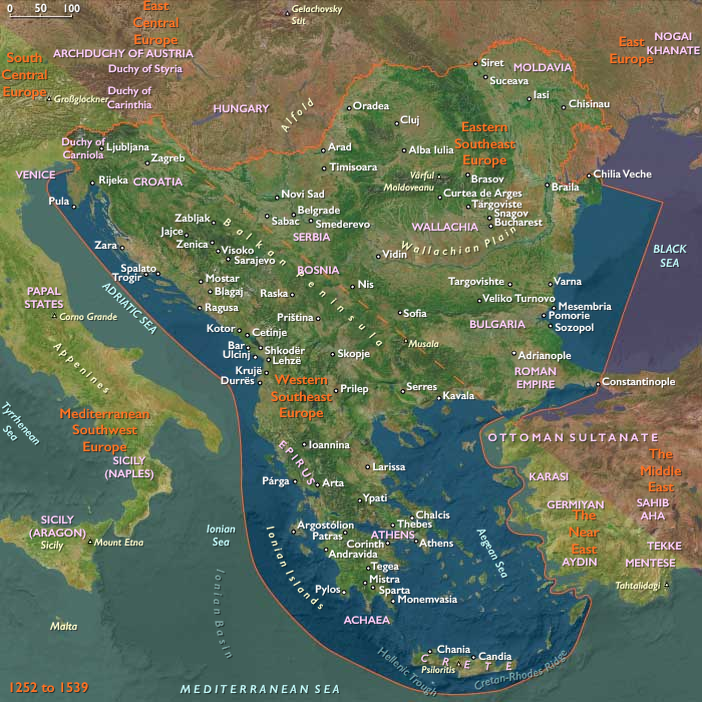
In 1444, he initiates and organizes the League of Lezhë, which proclaims him Chief of the League of the Albanian people, and defends the region of Albania against the Ottoman Empire for more than two decades.
Skanderbeg's military skills present a major obstacle to Ottoman expansion, and he is considered by many in western Europe to be a model of Christian resistance against the Ottoman Muslims.
Skanderbeg is Albania's most important national hero and a key figure of the Albanian National Awakening.
Skanderbeg was born in 1405 to the noble Kastrioti family.
Sultan Murad II takes him hostage in 1423 and he fights for the Ottoman Empire during the next twenty years.
In 1443, he desertes the Ottomans during the Battle of Niš and becomes the ruler of Krujë.
In 1444, he organizes local leaders into the League of Lezhë, a federation aimed at uniting their forces for war against the Ottomans.
Skanderbeg's first victory against the Ottomans, at the Battle of Torvioll in the same year, marks the beginning of more than 20 years of war with the Ottomans.
Skanderbeg's forces achieve more than 20 victories in the field and withstand three sieges of his capital, Krujë.
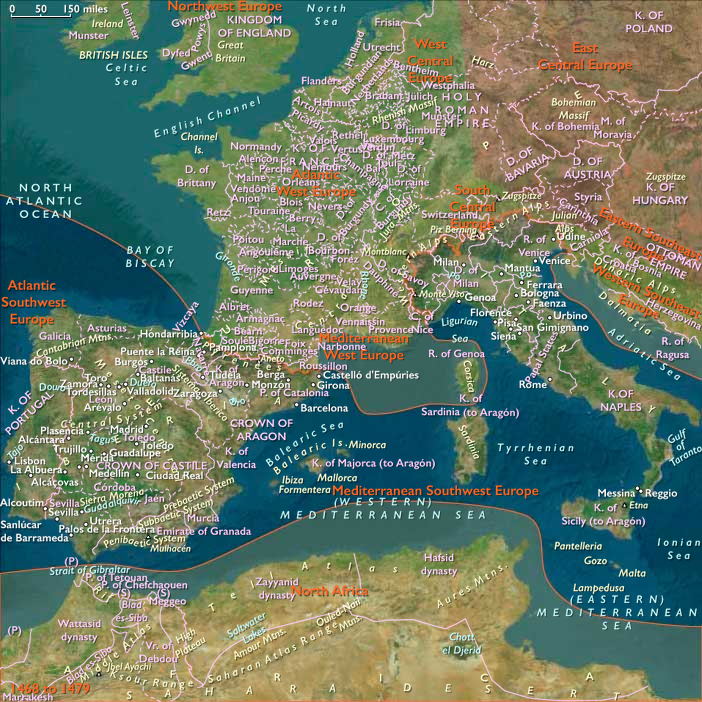
In 1451, he recognizes de jure the suzerainty of Kingdom of Naples through the Treaty of Gaeta, to ensure a protective alliance, although he remains an independent ruler de facto.
In 1460–1461, he participates in Italy's civil wars in support of Ferdinand I of Naples.
In 1463, he becomes the chief commander of the crusading forces of Pope Pius II, but the Pope dies while the armies are still gathering.
Left alone to fight the Ottomans, Skanderbeg does so until he dies in January 1468.
Marin Barleti, an early 16th century Albanian historian, writes a biography of Skanderbeg, which is printed between 1508 and 1510.
The work, written in Latin and in a Renaissance and panegyric style, is translated into all the major languages of Western Europe from the 16th through the 18th centuries.
Such translations inspire an opera by Vivaldi, and literary creations by eminent writers such as playwrights William Havard and George Lillo, French poet Ronsard, English poet Byron, and American poet Henry Wadsworth Longfellow.