Sigismund III Vasa
King of Poland and Grand Duke of Lithuania
Years: 1566 - 1632
Sigismund III Vasa, Polish: Zygmunt III Waza; English exonym: Sigmund (20 June 1566 – 30 April 1632 N.S.)
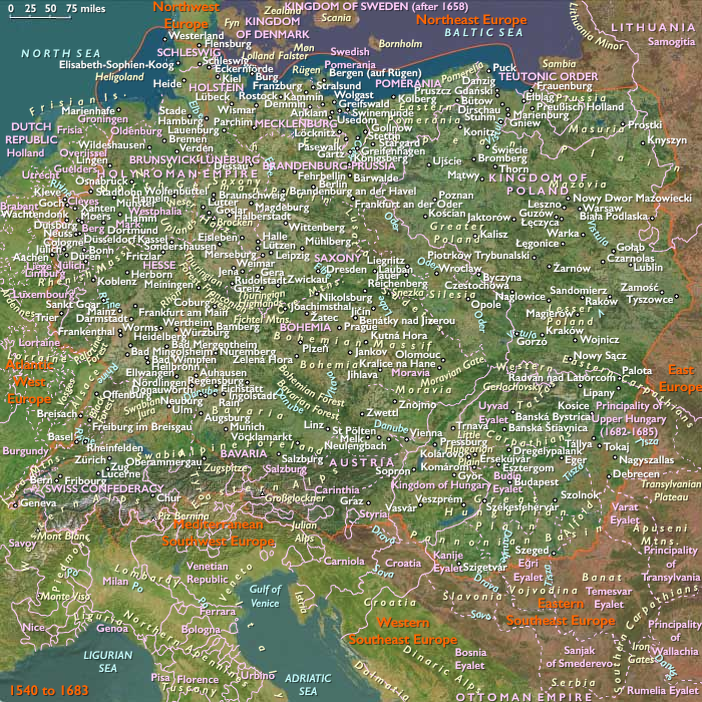
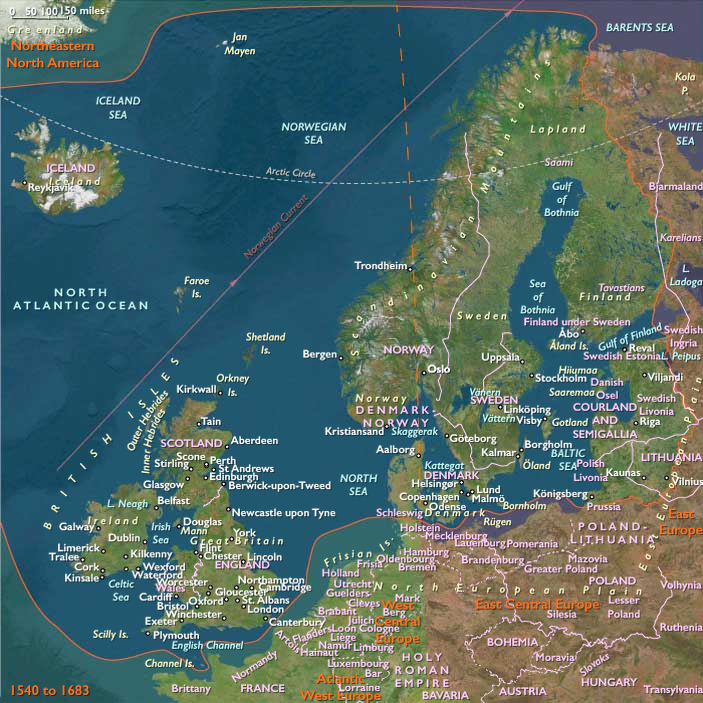
is King of Poland and Grand Duke of Lithuania, a monarch of the united Polish-Lithuanian Commonwealth from 1587 to 1632, and King of Sweden (where he is known simply as Sigismund) from 1592 until he is deposed in 1599.
He is the son of King John III of Sweden and his first wife, Catherine Jagellonica of Poland.
Elected to the throne of the Polish-Lithuanian Commonwealth, Sigismund seeks to create a personal union between the Commonwealth and Sweden (Polish-Swedish union), and succeedes for a time in 1592.
After being deposed in 1599 from the Swedish throne by his uncle, Charles IX of Sweden, and a meeting of the Riksens ständer (Swedish Riksdag), he spends much of the rest of his life attempting to reclaim it.
Sigismund remains a highly controversial figure in Poland.
His long reign coincides with the apex of the Polish-Lithuanian Commonwealth's prestige, power and economic influence.
On the other hand, it is also during his reign that the symptoms of decline that lead to the Commonwealth's future demise surface.
Common views, influenced by popular books of Paweł Jasienica, tend to present Sigismund as the main factor responsible for initiating these negative processes, while academic historians usually are not that condemning.
However, the question whether the Commonwealth's decline was caused by Sigismund's own decisions or its roots were in historical processes beyond his personal control, remains a highly debated topic.
He is commemorated in Warsaw with Zygmunt's Column, commissioned by his son and successor, Władysław IV.