Septimius Severus
21st Emperor of the Roman Empire
Years: 145 - 211
Septimius Severus (Latin: Lucius Septimius Severus Augustus; 11 April 145 – 4 February 211), also known as Severus, is Roman Emperor from 193 to 211.
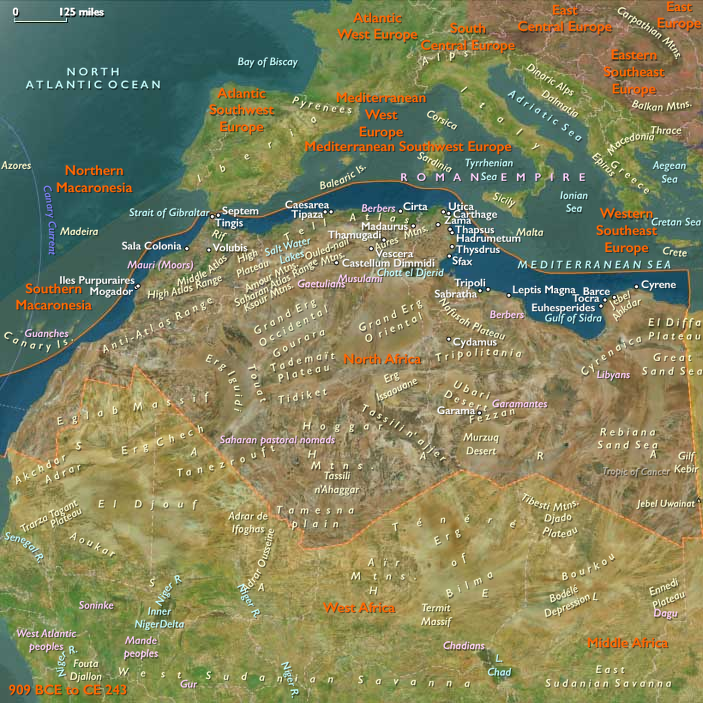
Severus was born in Leptis Magna in the province of Africa.
As a young man he advances through the customary succession of offices under the reigns of Marcus Aurelius and Commodus.
Severus seizes power after the death of Emperor Pertinax in 193 during the Year of the Five Emperors.
After deposing and killing the incumbent emperor Didius Julianus, Severus fights his rival claimants, the generals Pescennius Niger and Clodius Albinus.
Niger is defeated in 194 at the Battle of Issus in Cilicia.
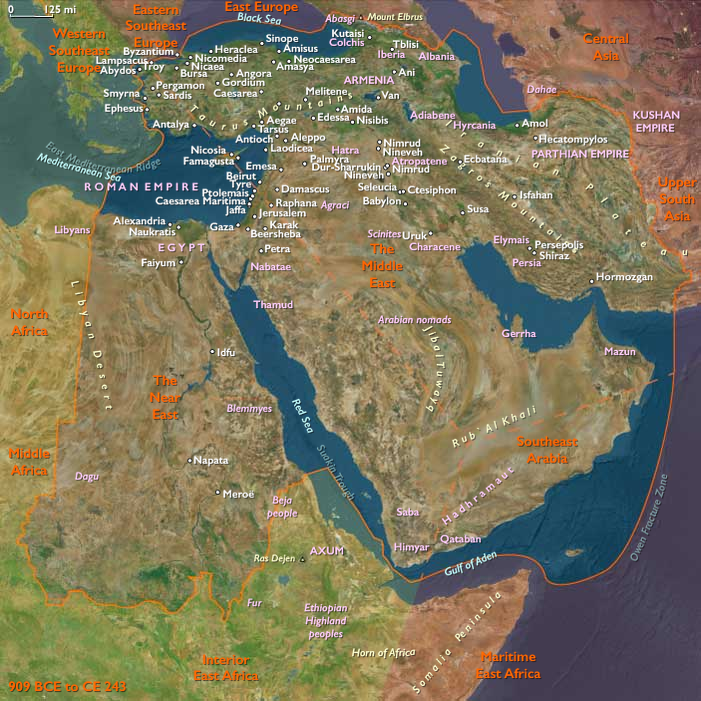
Later this year, Severus wages a short punitive campaign beyond the eastern frontier, annexing the Kingdom of Osroene as a new province.
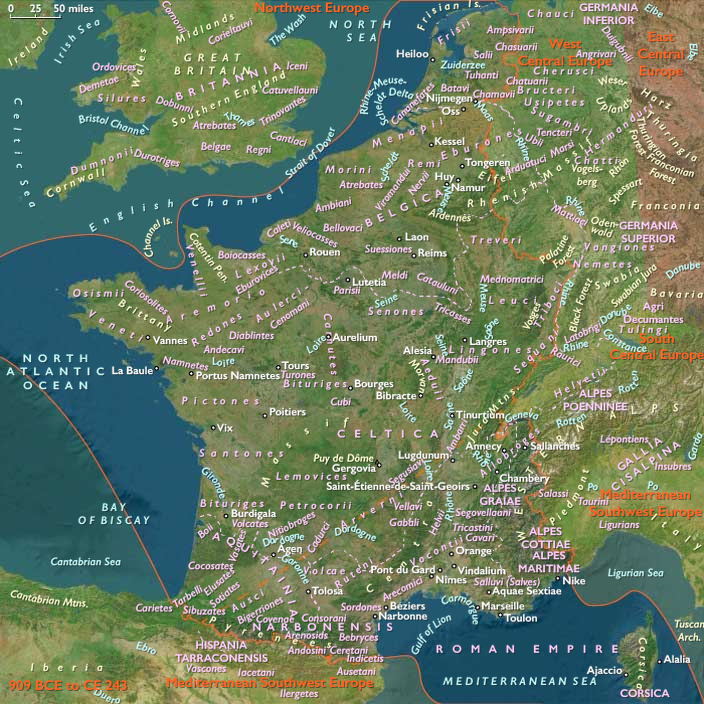
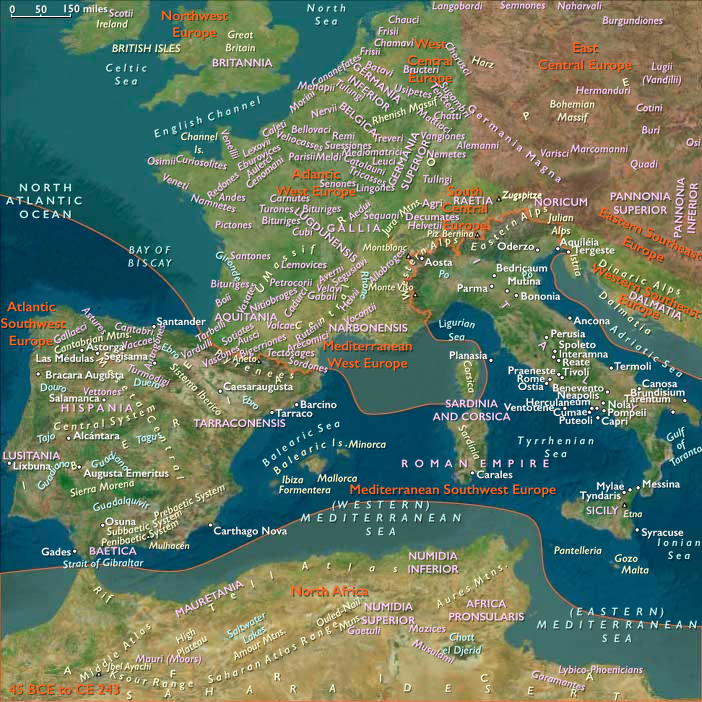
Severus defeats Albinus three years later at the Battle of Lugdunum in Gaul.
After solidifying his rule over the western provinces, Severus wages another brief, more successful war in the east against the Parthian Empire, sacking their capital Ctesiphon in 197 and expanding the eastern frontier to the Tigris.
Furthermore, he enlarges and fortifies the Limes Arabicus in Arabia Petraea.
In 202, he campaigns in Africa and Mauretania against the Garamantes; capturing their capital Garama and expanding the Limes Tripolitanus along the southern frontier of the empire.
Late in his reign, he travels to Britain, strengthening Hadrian's Wall and reoccupying the Antonine Wall.
In 208 he invades Caledonia in modern Scotland, but his ambitions are cut short when he falls fatally ill in late 210.
Severus dies in early 211 at Eboracum, succeeded by his sons Caracalla and Geta.
With the succession of his sons, Severus founds the Severan dynasty, the last dynasty of the empire before the Crisis of the Third Century.