Sancho II of Navarre: A European Monarch and Patron of Cluniac Reform
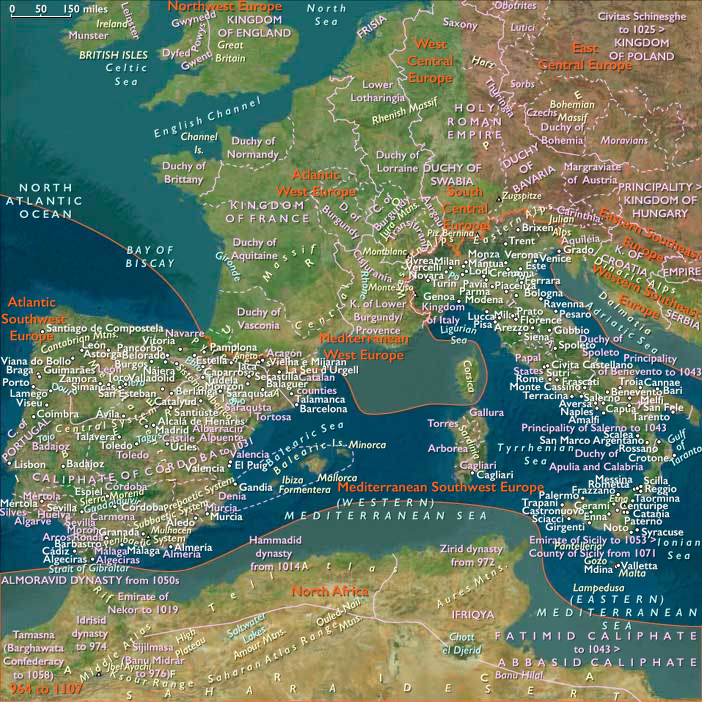
As his realm expands, Sancho II of Navarre moves his residence to Nájera, signaling a shift from the traditional capital of Pamplona. Considering himself a European monarch, he establishes diplomatic and cultural ties beyond the Pyrenees, integrating French feudal, ecclesiastical, and intellectual influences into Iberia.
Sancho’s European Connections
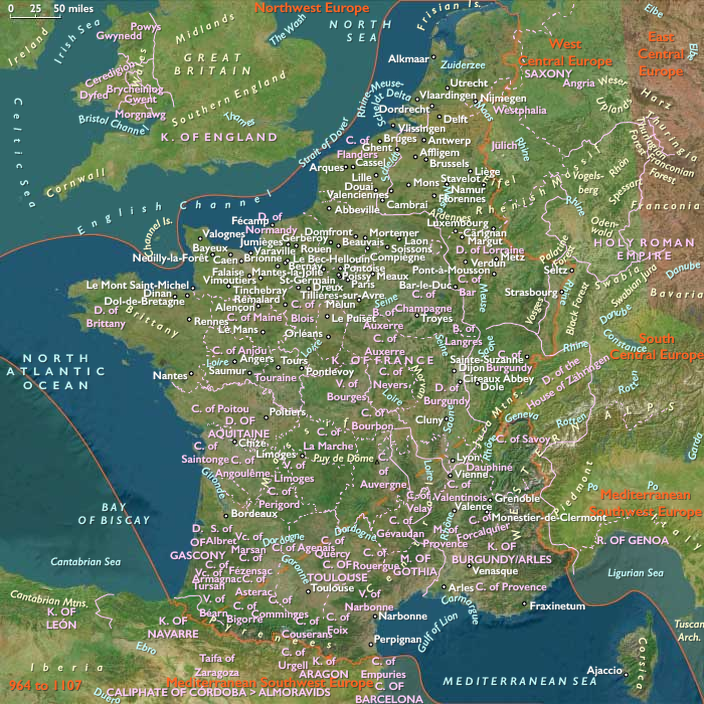
Through his alliances with Count of Barcelona and the Duke of Gascony, Sancho strengthens relations with key figures in France, including:
- Robert II of France,
- William V of Aquitaine,
- William II and Alduin II of Angoulême, and
- Odo II of Blois and Champagne.
He also befriends Abbot Oliva, a leading monastic reformer, through whom he is introduced to the Cluniac movement, a reform movement emphasizing monastic discipline and stronger ties to the papacy.
Cluniac Influence in Navarre
In 1024, a Navarrese monk, Paterno of Cluny, returns from France and is made abbot of San Juan de la Peña, where he introduces Cluniac customs, making it the first Cluniac house west of Catalonia under Sancho’s patronage.
However, the Mozarabic rite continues to be practiced at San Juan, and while Sancho is often credited with spreading Cluniac usage throughout Navarre, historian Justo Pérez de Urbel disputes this claim. Instead, Sancho lays the groundwork for the eventual adoption of the Roman rite, though he does not fully implement it during his reign.
Legacy
Sancho II’s policies and cultural exchanges sow the seeds of religious and political transformation in Iberia, preparing the way for closer ties between Christian Iberia and the broader European world.