Rumi
Persian Muslim poet, theoretician of Sufism, and hagiographer
Years: 1207 - 1273
Jalāl ad-Dīn Muhammad Balkhī, also known as Jalāl ad-Dīn Muhammad Rūmī, and more popularly in the English-speaking world simply as Rumi (30 September 1207 – 17 December 1273), is a 13th-century Persian poet, jurist, theologian, and Sufi mystic.
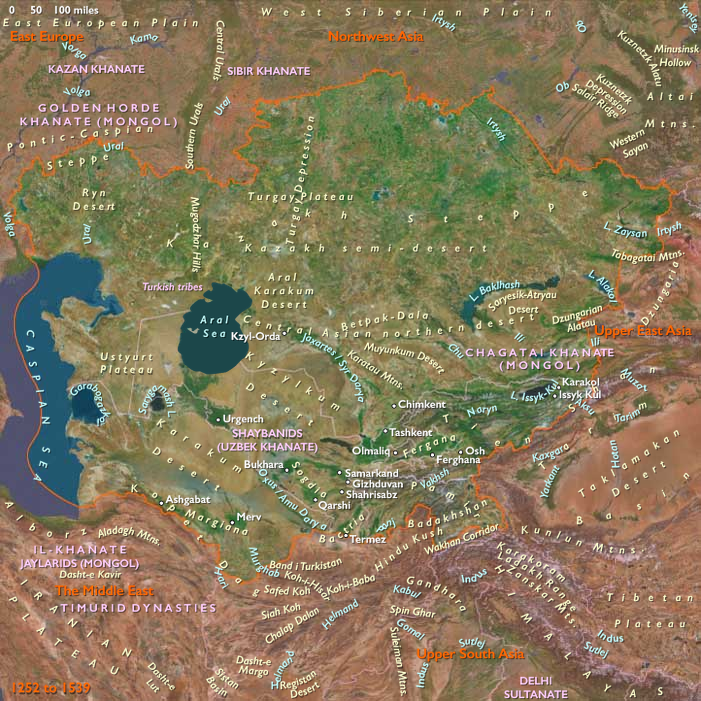
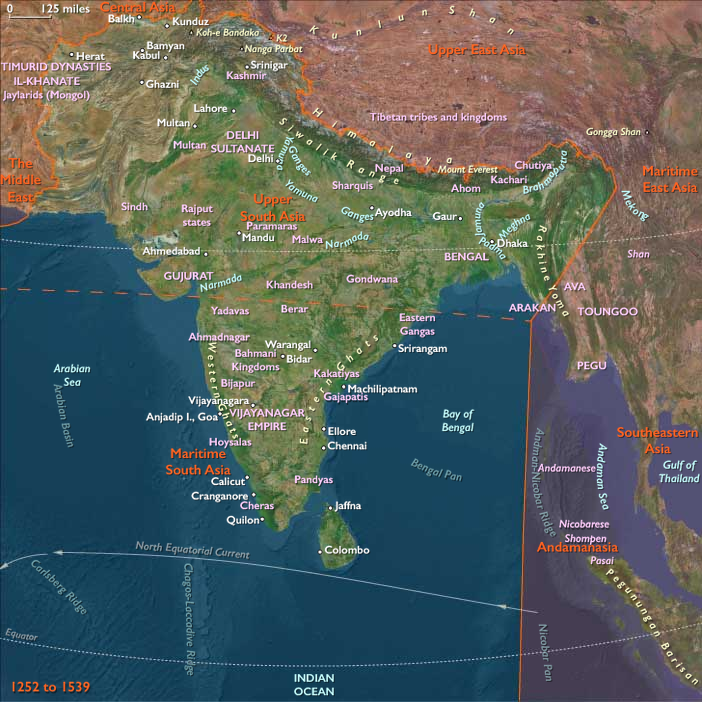
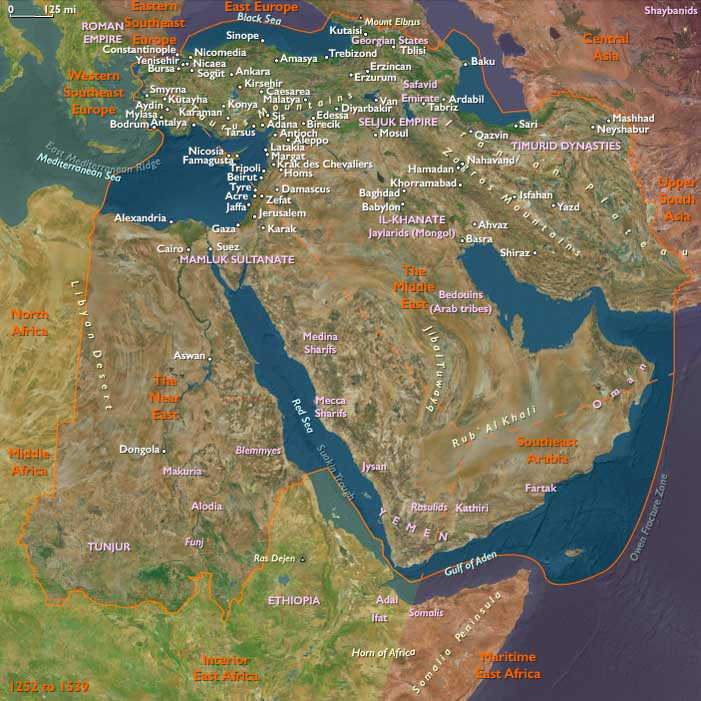
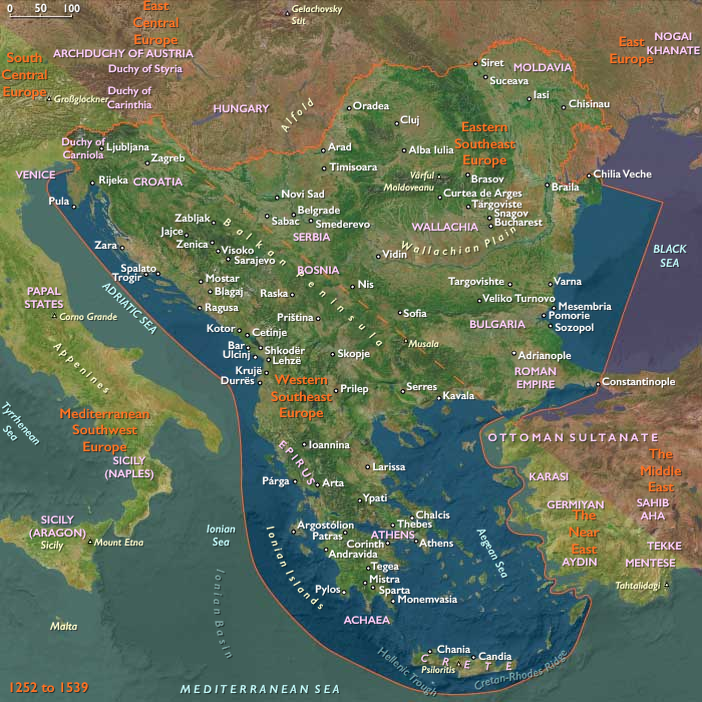
Iranians, Turks, Afghans, Tajiks, and other Central Asian Muslims as well as the Muslims of the Indian subcontinent have greatly appreciated his spiritual legacy in the past seven centuries.
Rumi's importance is considered to transcend national and ethnic borders.
His poems have been widely translated into many of the world's languages and transposed into various formats.
Rumi's works are written in Persian and his Mathnawi remains one of the purest literary glories of Persia, and one of the crowning glories of the Persian language.
A Persian literary renaissance (in the 8th/9th century), alongside the development of Sufism, starts in regions of Sistan, Khorāsān and Transoxiana and by the 10th/11th century, it reinforces the Persian language as the preferred literary and cultural language in the Persian world.
His original works are widely read today in their original language across the Persian-speaking world (Iran, Tajikistan, Afghanistan and parts of Persian speaking Central Asia).
Translations of his works are very popular in other countries.
His poetry has influenced Persian literature as well as Urdu, Punjabi, Turkish and some other Iranic, Turkic and Indic languages written in Perso-Arabic script e.g.
Pashto, Ottoman Turkish, Chagatai and Sindhi.