Reza Shah
Shah of Iran
Years: 1878 - 1944
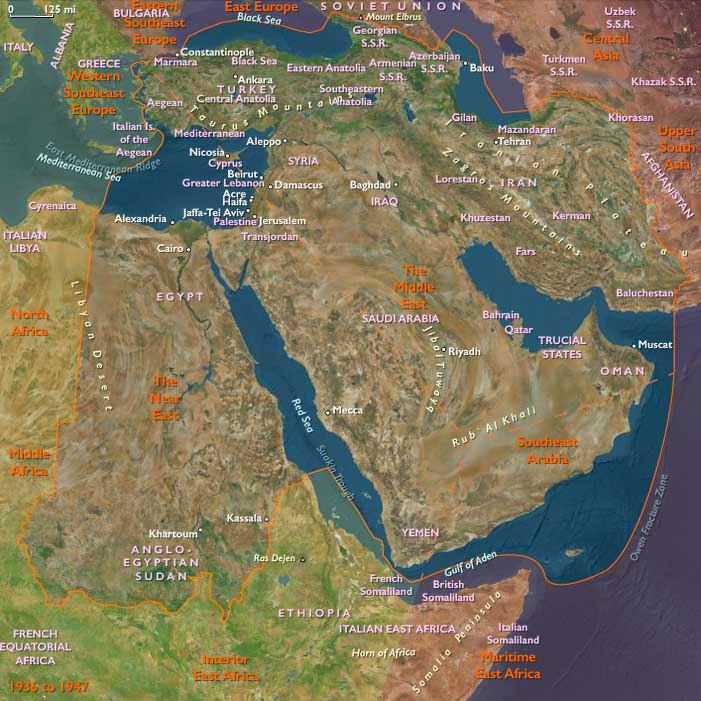
Reza Shah Pahlavi (March 15, 1878 – July 26, 1944), commonly known as Reza Shah, is the Shah of Iran from December 15, 1925 until he is forced to abdicate by the Anglo-Soviet invasion of Iran on September 16, 1941.
Two years after the 1921 Persian coup d'état, led by Zia'eddin Tabatabaee, Reza Pahlavi becomes Iran's prime minister.
The appointment is backed by the compliant national assembly of Iran
In 1925 Reza Pahlavi is appointed as the legal monarch of Iran by decision of Iran's constituent assembly.
The assembly deposes Ahmad Shah Qajar, the last Shah of the Qajar dynasty, and amends Iran’s 1906 constitution to allow selection of Reza Pahlavi
He founds the Pahlavi dynasty that lasts until overthrown in 1979 during the Iranian Revolution.
Reza Shah introduces many social, economic, and political reforms during his reign, ultimately laying the foundation of the modern Iranian state.
His legacy remains controversial to this day.
His defenders assert that he was an essential modernizing force for Iran (whose international prominence had sharply declined during Qajar rule), while his detractors assert that his reign was often despotic, with his failure to modernize Iran's large peasant population eventually sowing the seeds for the Iranian Revolution nearly four decades later, which ended 2,500 years of Persian monarchy.
Moreover, his insistence on ethnic nationalism and cultural unitarism, along with forced detribalization and sedentarization, resulted in the suppression of several ethnic and social groups.
Albeit he was himself of Mazandarani descent, his government carried out an extensive policy of Persianization trying to create a single, united and largely homogeneous nation, similar to Atatürk's policy of Turkification.