The Middle East (1936–1947): Nationalism, World War II, and Shifting Alliances
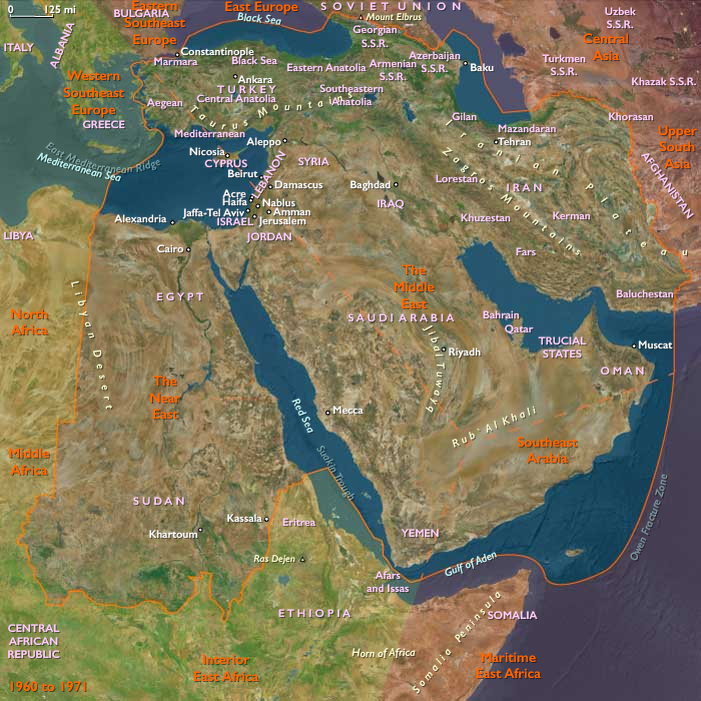
Between 1936 and 1947, the Middle East experiences profound transformations shaped by nationalist struggles, the upheaval of World War II, and the reconfiguration of international politics. This critical era sees the decline of European colonial influence, the emergence of independent states, and intensified regional rivalries that set the stage for lasting conflict.
Arab Nationalism and Independence Movements
The late 1930s witness rising nationalist fervor across the region, particularly in areas under British and French mandates. In Iraq, nationalist pressures culminate in greater autonomy, though British influence remains strong due to strategic interests, especially the oil industry. Despite the 1930 Anglo-Iraqi Treaty granting formal independence, Britain retains military bases and economic control, fueling Iraqi resentment.
Similarly, Egypt negotiates the Anglo-Egyptian Treaty of 1936, which grants increased self-rule but leaves British military presence intact, notably at the strategic Suez Canal. This partial independence intensifies Egyptian nationalist demands for complete sovereignty.
Syria and Lebanon: The Decline of French Control
French dominance over Syria and Lebanon begins to unravel during this period. In Syria, widespread nationalist agitation forces France to agree to independence in principle through the Franco-Syrian Treaty of 1936. However, France reneges on implementation, leading to unrest. During World War II, the defeat of France by Nazi Germany in 1940 critically weakens French authority, allowing nationalist forces in Syria and Lebanon to assert greater independence.
Lebanon achieves formal independence in 1943 following tense negotiations culminating in the National Pact, which establishes a sectarian power-sharing arrangement among Maronites, Sunnis, Shias, and Druzes. France attempts to reassert control in both Lebanon and Syria after the war, but international pressure, notably from Britain and the United States, compels French withdrawal. Both countries gain full independence by 1946, ending French colonial rule in the Levant.
World War II and its Impact on the Region
The onset of World War II (1939–1945) dramatically reshapes the Middle East. Though initially neutral, Iran’s strategic importance leads Britain and the Soviet Union to invade in 1941, overthrowing Reza Shah Pahlavi and installing his son, Mohammad Reza Pahlavi, as shah. Allied occupation secures crucial supply routes for Soviet resistance against Nazi Germany. This occupation simultaneously undermines Iranian sovereignty and triggers intensified nationalism, laying the groundwork for later political upheavals.
In Iraq, nationalist resentment against British control culminates in a pro-Axis coup in April 1941, led by Rashid Ali al-Gaylani. Britain swiftly suppresses this rebellion, reoccupying Baghdad and reinforcing its grip on Iraqi affairs until war’s end. Nonetheless, this episode highlights growing Iraqi nationalism and anti-colonial sentiment.
Turkey, under President İsmet İnönü, successfully maintains strict neutrality throughout World War II, leveraging its strategic position to secure advantageous diplomatic and economic agreements with both Axis and Allied powers. Post-war, however, Turkey increasingly aligns with Western interests, laying foundations for Cold War affiliations.
Palestine: Rising Tensions and British Withdrawal
In British-mandated Palestine, escalating conflict between Arab and Jewish communities marks this period decisively. The 1936–1939 Arab Revolt emerges from Arab opposition to increased Jewish immigration and land purchases. Britain suppresses the revolt with considerable force, but the underlying tensions persist. In response, the British issue the White Paper of 1939, limiting Jewish immigration, aiming to appease Arab demands while alienating Zionists and Jewish refugees fleeing Nazi persecution in Europe.
Following World War II, Jewish resistance to British rule intensifies through militant groups such as the Irgun and Lehi, who violently oppose British presence and demand unrestricted Jewish immigration. Britain, exhausted and facing international pressure, ultimately refers the Palestine question to the newly created United Nations in 1947, leading directly to the partition resolution and subsequent declaration of the state of Israel in 1948.
Saudi Arabia and the Gulf: Emergence of Oil Wealth
In Saudi Arabia, the late 1930s and 1940s bring profound changes. The discovery of commercially viable oil in 1938 by the American-owned Arabian American Oil Company (ARAMCO) transforms Saudi Arabia's economy and strategic importance. During World War II, Saudi Arabia’s neutrality and willingness to cooperate with the Allies secure its position as a pivotal Western partner. King Abdulaziz ibn Saud uses newfound oil wealth to consolidate central control, modernize infrastructure, and significantly enhance the kingdom's international status.
The smaller Gulf states (Kuwait, Bahrain, Qatar, and the future UAE) remain under British protection, with Britain increasingly involved in developing regional oil resources. Oil exports from Kuwait, initiated in 1946, substantially boost the sheikhdom’s economic prospects, foreshadowing broader economic transformations throughout the Persian Gulf.
Iran and Turkey: Post-War Realignment and Early Cold War Dynamics
Following wartime occupation, Iran becomes an early Cold War flashpoint. In 1945–1946, the Soviet Union attempts to establish pro-Soviet separatist republics in Iranian Azerbaijan and Kurdistan. Diplomatic pressure from the United States and Britain forces Soviet withdrawal in 1946, leaving Mohammad Reza Shah dependent upon Western support. This crisis significantly heightens Cold War tensions, positioning Iran as a key Western ally against Soviet influence.
Turkey, facing Soviet demands for territorial concessions and joint control of the Turkish Straits, moves decisively toward the West. In 1947, the Truman Doctrine explicitly extends American military and economic assistance to Turkey (and Greece), cementing its strategic alignment with NATO and marking its entry as a crucial player in Cold War geopolitics.
Legacy of the Era (1936–1947)
Between 1936 and 1947, the Middle East moves decisively toward independence from European colonialism, shaped by World War II and emerging Cold War tensions. The establishment of independent Arab states, the assertion of nationalist identities, and intensified regional conflicts—especially the Palestine issue—lay foundations for enduring political struggles. The emergence of oil as an economic powerhouse reshapes the geopolitical significance of the Arabian Peninsula and Gulf. The era’s developments leave a lasting legacy of nationalism, conflict, and strategic rivalry, profoundly influencing regional dynamics throughout the remainder of the twentieth century.