Pythagoras
Ionian Greek philosopher, mathematician, and founder of the religious movement called Pythagoreanism
Years: 570BCE - 495BCE
Pythagoras of Samos (c. 570–c.
495 BCE) is an Ionian Greek philosopher, mathematician, and founder of the religious movement called Pythagoreanism.
Most of the information about Pythagoras was written down centuries after he lived, so very little reliable information is known about him.
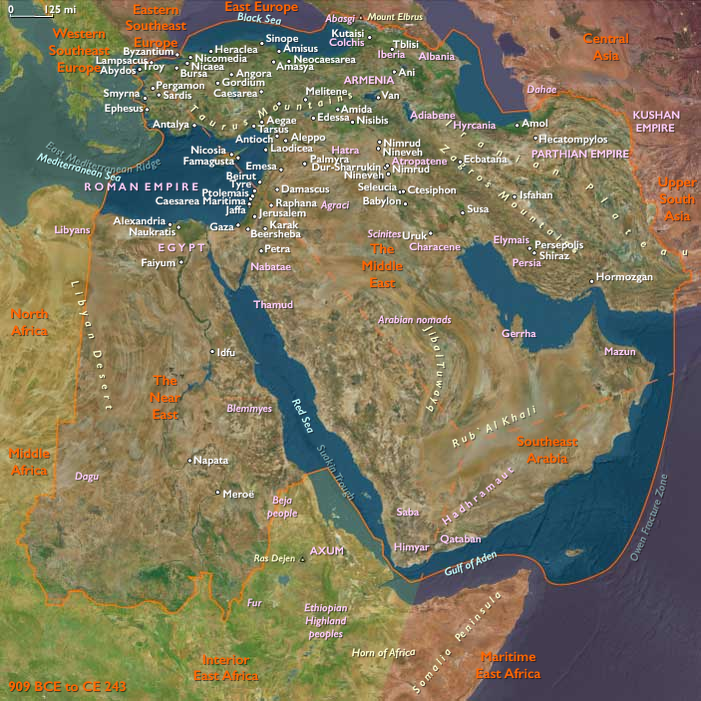
He was born on the island of Samos, and might have traveled widely in his youth, visiting Egypt and other places seeking knowledge.
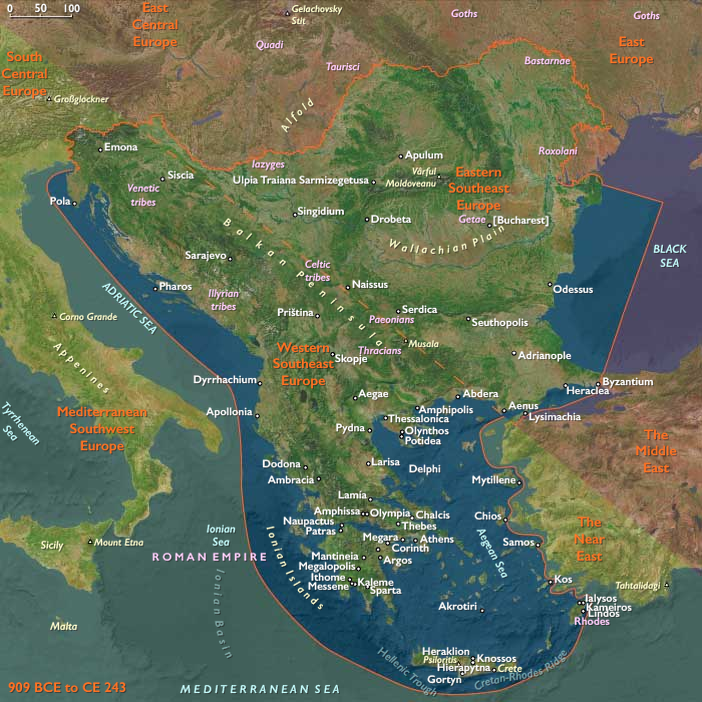
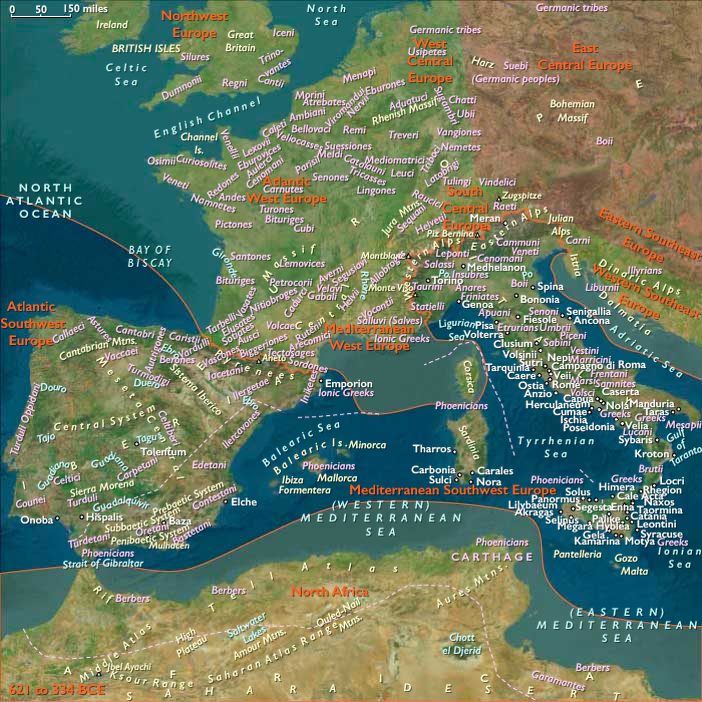
Around 530 BCE, he moves to Croton, a Greek colony in southern Italy, and there sets up a religious sect.
His followers pursue the religious rites and practices developed by Pythagoras, and study his philosophical theories.
The society takes an active role in the politics of Croton, but this eventually leads to their downfall.
The Pythagorean meeting-places are burned, and Pythagoras is forced to flee the city.
He is said to have ended his days in Metapontum.
Pythagoras made influential contributions to philosophy and religious teaching in the late 6th century BCE.
He is often revered as a great mathematician, mystic and scientist, but he is best known for the Pythagorean theorem which bears his name.
However, because legend and obfuscation cloud his work even more than with the other pre-Socratic philosophers, one can give account of his teachings to a little extent, and some have questioned whether he contributed much to mathematics and natural philosophy.
Many of the accomplishments credited to Pythagoras may actually have been accomplishments of his colleagues and successors.
Whether or not his disciples believed that everything was related to mathematics and that numbers were the ultimate reality is unknown.
It was said that he was the first man to call himself a philosopher, or lover of wisdom, and Pythagorean ideas exercised a marked influence on Plato, and through him, all of Western philosophy.