Pyotr Bagration
Russian general and prince of Georgian origin
Years: 1765 - 1812
Pyotr Bagration (July 10, 1765 – September 24, 1812) is a Russian general and prince of Georgian origin, prominent during the Napoleonic Wars.
Bagration was born in Kizlyar or Tbilisi to a family that is part of the Bagrationi dynasty.
His father is an officer in the Imperial Russian Army, in which Bagration also enlisti in 1782.
Bagration begins his career serving in the Russo-Circassian War for a couple years
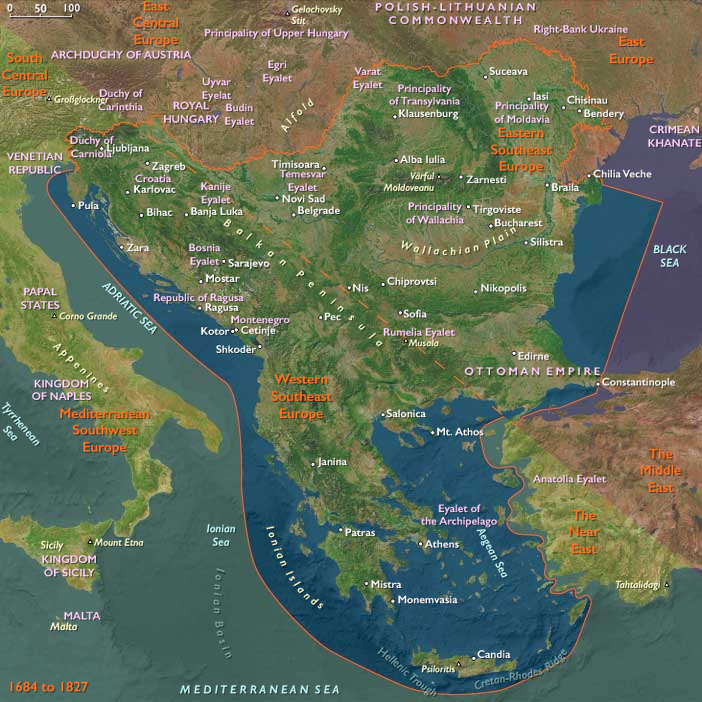
Afterwards he participates in a war against the Ottomans and the capture of Ochakov in 1788.
Later he helps suppress the Kościuszko Uprising of 1794 in Poland and capture Warsaw.
During the Italian and Swiss campaigns of 1799 against the French, he serves with distinction under Alexander Suvorov.
In 1805, Russia joins the coalition against Napoleon.
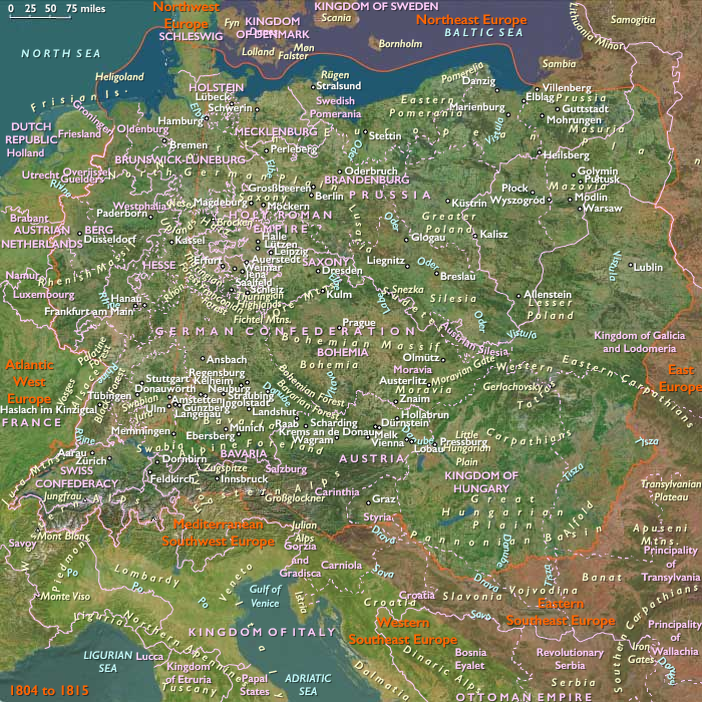
After the collapse of the Austrians at Ulm, Bagration wins praise for his successful defense in the Battle of Schöngrabern that allowsRussian forces to withdraw and unite with the main Russian army of Mikhail Kutuzov.
The combined Russo-Austrian army is defeated at the Battle of Austerlitz in December, where Bagration commands the right wing against the French under Jean Lannes.
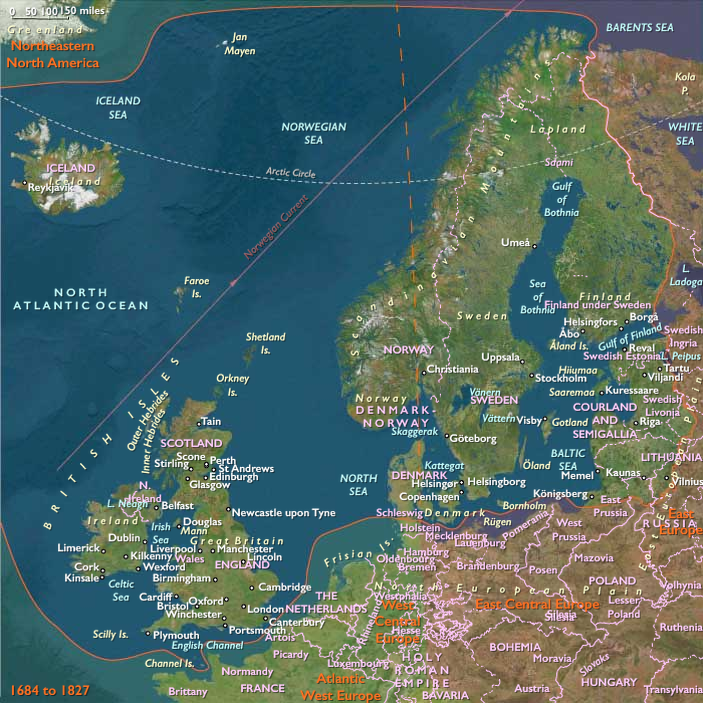
Years later he commands Russian troops in the Finnish War against Sweden and another war against the Turks in the Danube.
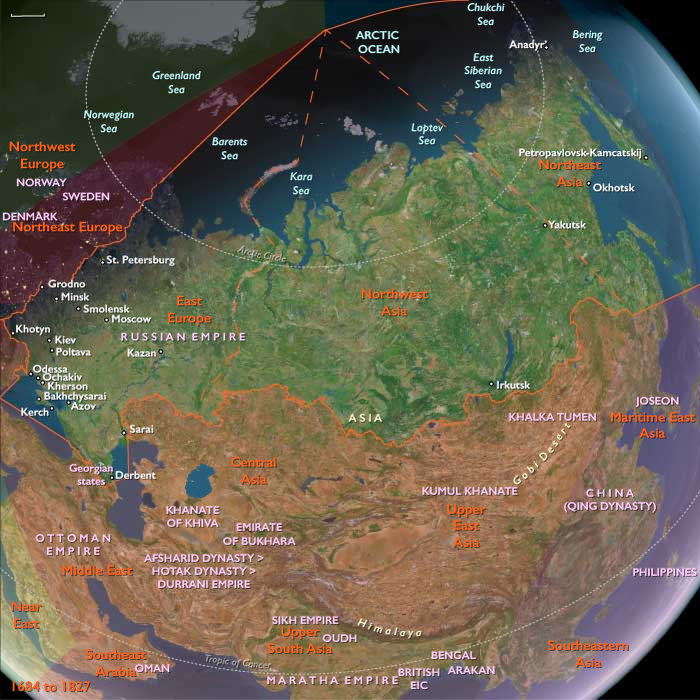
During the French invasion of Russia in 1812, Bagration commands one of two large Russian armies, the other commanded by Barclay de Tolly, fighting a series of rear-guard actions.
The Russians fail to stop the French advance at the Battle of Smolensk.
Barclay proposes a scorched earth retreat that is approved by Alexander I, although Bagration prefers to confront the French in a major battle.
Mikhail Kutuzov succeeds Barclay as Commander-in-Chief and continues his policy until the Battle of Borodino near Moscow.
Bagration commands the left wing, later called the Bagration flèches, at Borodino, where he is mortally wounded and dies a few weeks later.
He is originally buried at a local church, but in 1839 is reburied on the battlefield of Borodino.