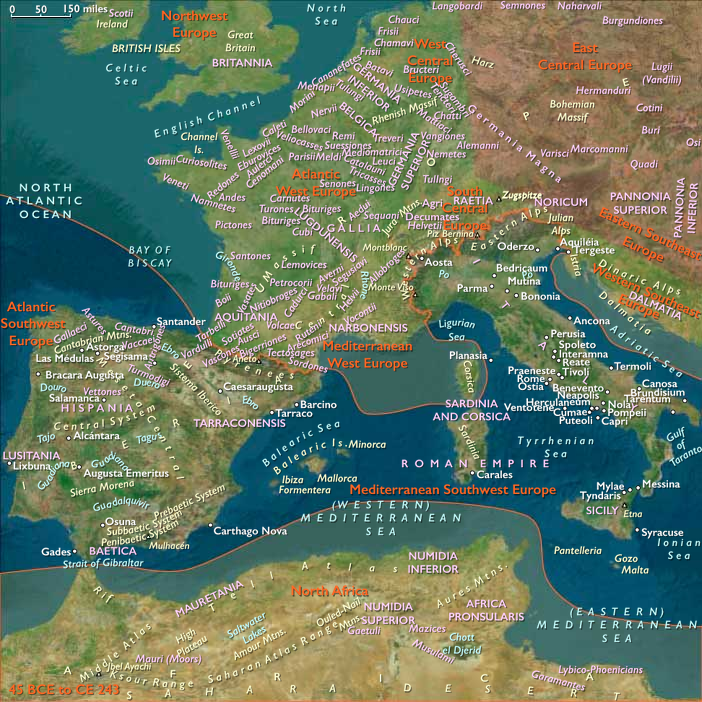
Ptolemy of Mauretania has received a good Roman education in Rome and become Romanized.
He is part of the remarkable court of his maternal aunt Antonia Minor, an influential aristocrat who presides over a circle of various princes and princesses that assists in the political preservation of the Roman Empire’s borders and affairs of the client states.
The youngest daughter of Mark Antony and the youngest niece of Emperor Augustus, Antonia Minor is a half-sister of Ptolemy's late mother, also a daughter of Mark Antony.
Antonia Minor's mother was Octavia Minor, Mark Antony's fourth wife and the second sister of Octavian (later Augustus).
Ptolemy lives in Rome until the age of twenty-one, when he returns to the court of his aging father in Mauretania.
When Ptolemy returns to Mauretania, Juba II makes Ptolemy his co-ruler and successor.
Coinage has survived from Juba II’s co-rule with his son.
On coinage, on one side there is a central bust of Juba II with his title in Latin ‘King Juba’.
On the other side there is a central bust of Ptolemy and the inscription stating in Latin ‘King Ptolemy son of Juba’.
Juba II dies in 23 and is placed with Cleopatra Selene II in the Royal Mausoleum of Mauretania; Ptolemy becomes the sole ruler of Mauretania.
Ptolemy, like his father, appears to be a patron of art, learning, literature and sports.
In Athens, Greece, statues are erected to Juba II and Ptolemy in a gymnasium in Athens and a statue is erected in Ptolemy’s honor in reference to his taste in literature.
Ptolemy dedicates statues of himself on the Acropolis.
The Athenians honor Ptolemy and his family with inscriptions dedicated to them, which reveals that the Athenians have respect towards the Roman Client Monarchs and their families, a civic practice common in the first century.
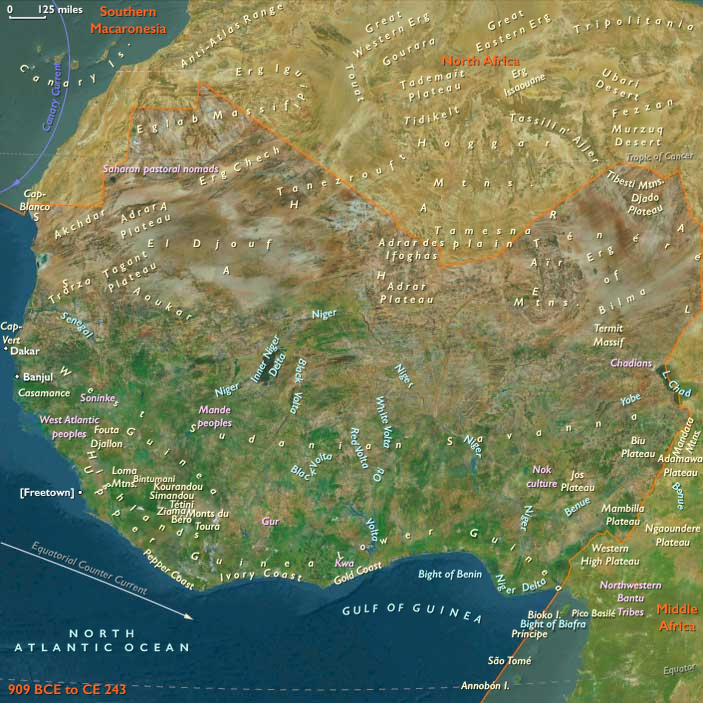
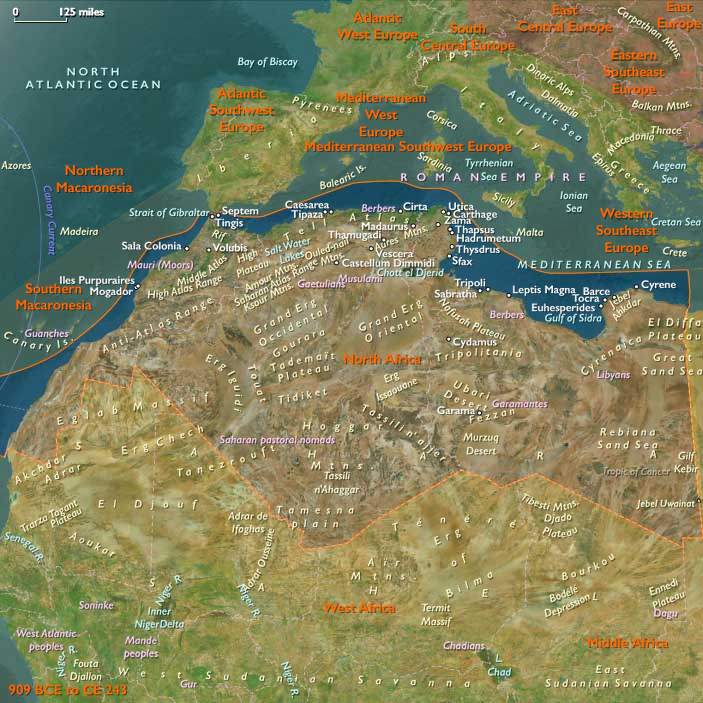
The local Berber tribes, the Numidian Tacfarinas and Garamantes, had in 17 begun a revolt against the Kingdom of Mauretania and Rome.
The war has ravaged North Africa; Berbers, including former slaves from Ptolemy’s household, have joined in the revolt.
As Ptolemy’s military campaigns are unsuccessful in ending the revolt, he summons the Roman Governor of Africa, Publius Cornelius Dolobella and his army to assist him.
The war finally ends in 24.
Although Ptolemy’s army and the Romans are the victors, both sides have suffered considerable losses of infantry and cavalry.
The Roman Senate, impressed by Ptolemy’s loyal conduct, sends a Roman Senator, who greets Ptolemy as king, ally and friend and awards him an ivory scepter, and an embroidered triumphal robe, a traditional recognition and reward by Rome to her allies.