Pope Gregory VII
head of the Catholic Church
Years: 1015 - 1085
Pope Gregory VII (Latin: Gregorius VII; c. 1015/1028 – 25 May 1085), born Hildebrand of Sovana (Italian: Ildebrando da Soana), is the head of the Catholic Church from 22 April 1073 to his death in 1085.
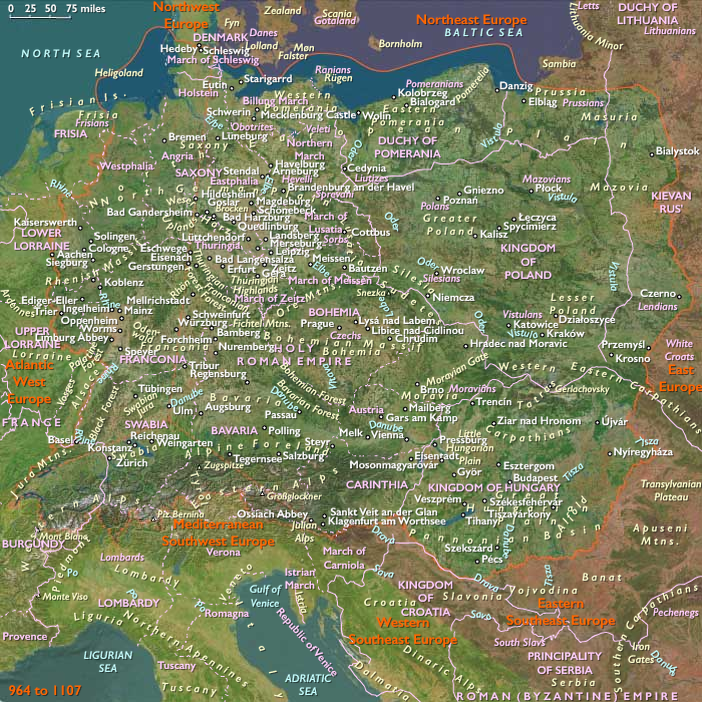
One of the great reforming popes, he is perhaps best known for the part he plays in the Investiture Controversy, his dispute with Henry IV, Holy Roman Emperor that affirms the primacy of papal authority and the new canon law governing the election of the pope by the College of Cardinals.
He is also at the forefront of developments in the relationship between the emperor and the papacy during the years before he becomes pope.
He is the first pope in several centuries to rigorously enforce the Church's ancient policy of celibacy for the Catholic clergy and attacks the practice of simony.
He twice excommunicates Henry, who in the end appoints Antipope Clement III to oppose him in the political power struggles between the Catholic Church and his empire.
Hailed as one of the greatest of the Roman pontiffs after his reforms prove successful, Gregoryis, during his own reign, despised by some for his expansive use of papal powers.
Gregory will be beatified by Gregory XIII in 1584 and canonized in 1728 by Pope Benedict XIII.
Having been such a prominent champion of the papacy, the memory of Gregory VII will be evoked on many occasions in later generations, both positively and negatively, often reflecting later writers' attitude to the Catholic Church and the papacy.
Benno of Meissen, who opposed Gregory VII in the Investiture Controversy, leveled against him charges such as necromancy, torture of a former friend upon a bed of nails, commissioning an attempted assassination, executions without trials, unjust excommunication, doubting the Real Presence of the Eucharist, and even burning the Eucharist.
This was eagerly repeated by later opponents of the Catholic Church, such as the English Protestant John Foxe.