Polybius
Greek historian
Years: 200BCE - 118BCE
Polybius (ca.
200–118 BCE) is a Greek historian of the Hellenistic Period noted for his work, The Histories, which cover the period of 220–146 BCE in detail.
The work describes in part the rise of the Roman Republic and its gradual domination over Greece.
Polybius is also renowned for his ideas concerning the separation of powers in government, later used in Montesquieu's The Spirit of the Laws and in the drafting of the United States Constitution.
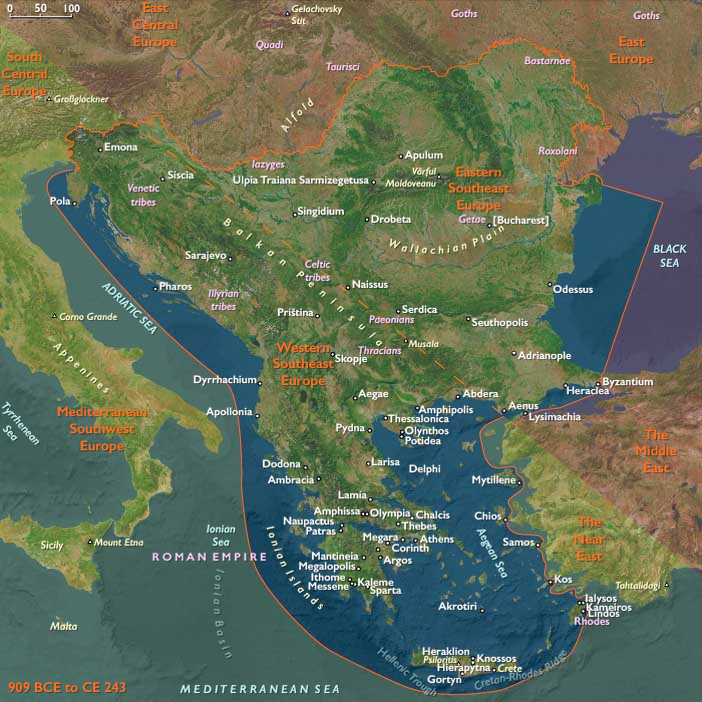
Born in Arcadia around 200 BCE, Polybius is the son of Lycortas, a Greek politician who becomes Cavalry Commander of the Achaean League.
His father's opposition to Roman control of Macedonia results in his imprisonment.
Polybius is then deported to Rome where Lucius Aemilius Paulus employs him to tutor his two sons.
Polybius has the opportunity to return to Macedonia in 152 BCE; he elects to stay, however, in Rome, as by this time he has placed his allegiance in the Roman Republic.
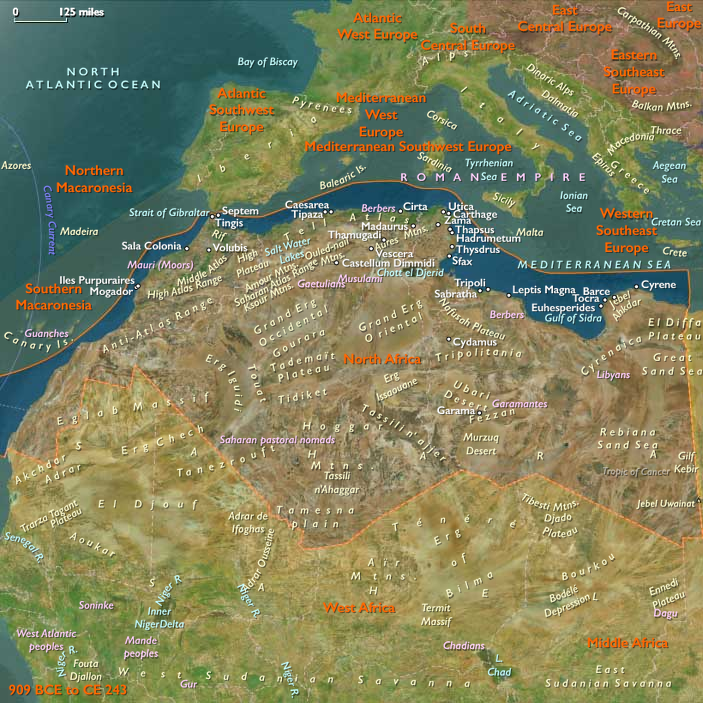
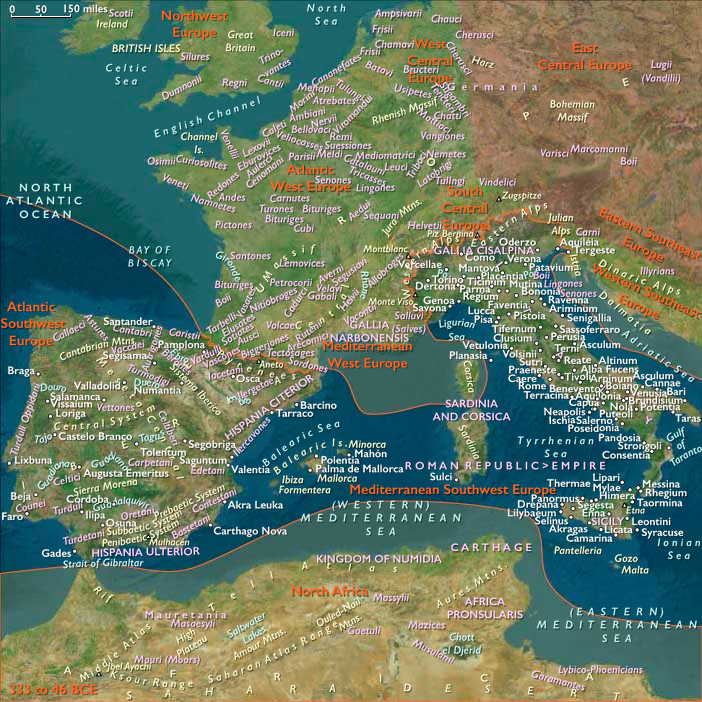
He becomes a close friend of the Roman military commander Scipio Aemilianus, accompanying the general to Hispania and Africa.
Polybius's The Histories provides a detailed account of Rome's ascent to empire and includes his eyewitness accounts of the Roman victory over Hannibal and the Sack of Carthage in 146 BCE.
Polybius holds that historians should only chronicle events whose participants the historian is able to interview, and is among the first to champion the notion of having factual integrity in historical writing while avoiding bias.