Machanidas, Tyrant of Sparta, was originally, perhaps, the leader of a band of Tarentine mercenaries in the pay of the Spartan government.
The history of Lacedaemon at this period is so obscure that the means by which Machanidas obtained the tyranny are unknown.
He was probably at first associated with Pelops, son and successor of Lycurgus on the double throne of Sparta; but he eclipsed or expelled his colleague, and for his crimes and the terror he inspired he is termed emphatically "the tyrant." (tyrannus Lacedaemoniorum, Livy 27.29.9 )
Like his predecessor Lycurgus, Machanidas has no hereditary or plausible title to the crown, but, unlike him, he respects neither the ephors nor the laws, and rules by the swords of his mercenaries alone.
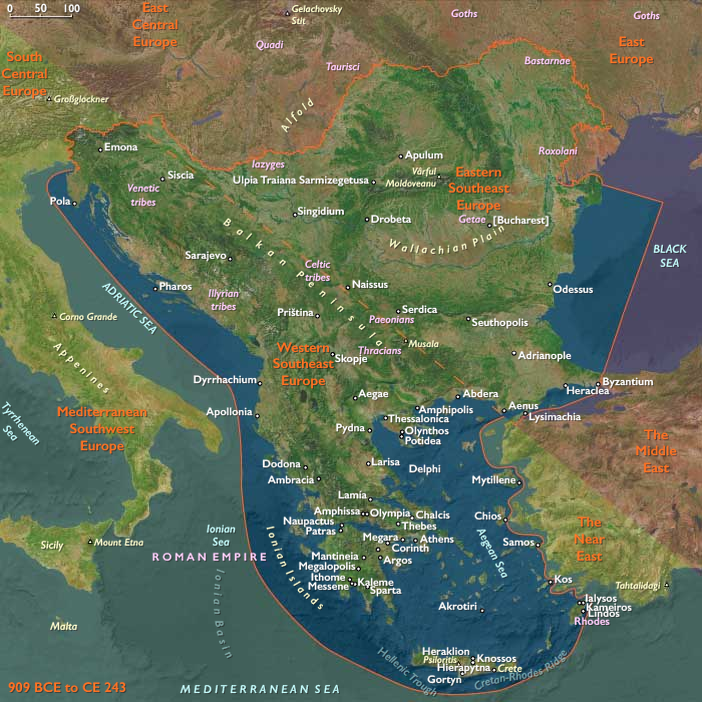
Argos and the Achaean League find him a restless and relentless neighbor, whom they cannot resist without the aid of Macedon.
Rome at this crisis, the eleventh year of the Second Punic War, is anxious to detain Philip V; and as usual, unscrupulous in the choice of its instruments, the republic employs him as an active and able ally.
Machanidas reveres the religious views of Greece as little as the political rights of his own subjects.
Towards the close of the Aetolian War, in 207 BCE, while the Greek states are negotiating the terms of peace, and the Eleans are making preparations for the next Olympic festival, Machanidas projects an inroad into the sacred territory of Elis.
The design is frustrated by the timely arrival of the king of Macedon in the Peloponnesus, and Machanidas withdraws precipitately to Sparta, but the project marks both the man and the era—an era equally void of personal, national, and ancestral faith.