Balboa, returning from his successful expedition to the Pacific coast of Panama, has crossed the lands of Ponca and Caret to finally arrive in Santa María on January 19, 1514, with a treasure in cotton goods, more than one hundred thousand castellanos worth of gold, to say nothing of the pearls.
All this, however, does not compare to the magnitude of the "discovery" of the South Sea on behalf of Spain.
Balboa commands Pedro de Arbolancha to set sail for Spain with news of this "discovery".
He also sends one fifth of the treasure to the king, as the law requires.
The accusations of Fernández de Enciso, whom Balboa had deposed, and the removal and disappearance of Governor de Ojeda, have forced the king to name Pedro Arias de Ávila as governor of the newly created province of Castilla de Oro.
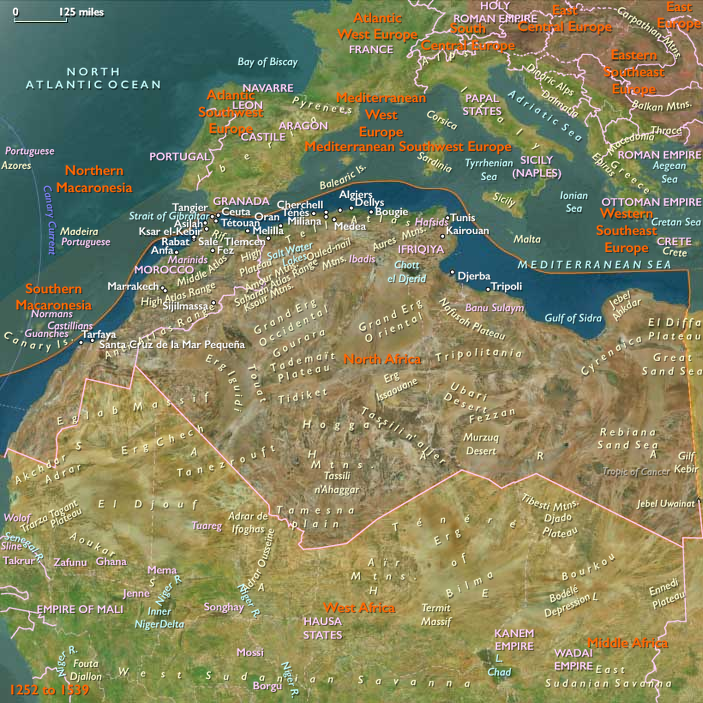
Arias, better known as Pedrarias Dávila and who will later become notorious for his cruelty, had served as soldier in wars against Moors at Granada, between 1486 and 1492, in Spain, and in North Africa, under Pedro Navarro intervening in the Conquest of Oran, now in Algeria.
In 1514, Ferdinand II places him in command of nineteen vessels and fifteen hundred men, the largest Spanish expedition yet sent to America, thereby ensuring that Balboa's requests to the crown for more men and supplies are met.
Departing from Arbolancha, Pedrarias is accompanied on this expedition by Gaspar de Espinosa, who holds the office of alcalde mayor; the very same Martín Fernández de Enciso whom Balboa had forced into exile, now as Chief Constable (Alguacil Mayor); the royal officer and chronicler Gonzalo Fernández de Oviedo; as well as several captains, among them Juan de Ayora, Pedrarias' lieutenant.
There are also several clerics, most notably the Franciscan friar Juan de Quevedo, appointed bishop of Santa María.
There are also women among the travelers, among them Isabel de Bobadilla, Pedrarias' wife.
More than five hundred men die from starvation or due to the inclemency of the weather soon after reaching Darién.
Fernández de Oviedo is to note that knights covered in silk and brocade, who distinguished themselves valiantly in the Italian Wars, would die, consumed by hunger and fever, due to the nature of the tropical jungle.
Balboa receives Pedrarias and his representatives in July 1514 and surrenders his posts as governor and mayor.
The settlers, however, do not like the change and some are planning to take up arms against Pedrarias, even as Balboa shows respect to the new colonial authorities.
As soon as Pedrarias takes charge, Gaspar de Espinosa has Balboa arrested and tried "in absentia", sentencing him to pay reparations to Fernández de Enciso and others.
He is, however, found innocent of the charge of murdering de Nicuesa, so he is freed shortly afterwards.