Rosso Fiorentino and the Château de Fontainebleau (1530)
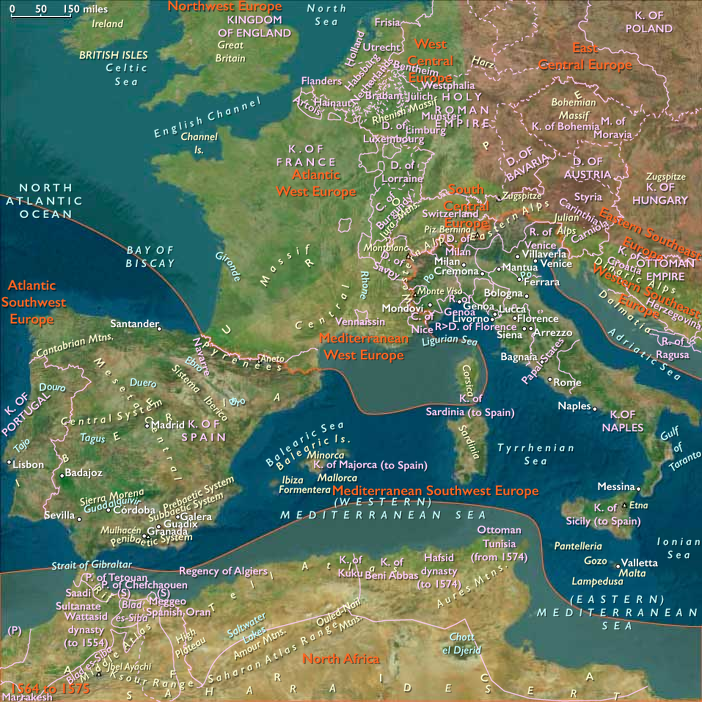
In 1530, Rosso Fiorentino, a prominent Florentine painter who had trained alongside Pontormo under Andrea del Sarto, arrives at the French court of King Francis I. Having fled Rome after the traumatic Sack of 1527, Rosso brings with him the sophisticated artistic ideals of the Italian High Renaissance and the emerging Mannerist style.
Under the supervision of Gilles Le Breton, architect of the Château de Fontainebleau's ambitious renovation begun in 1528, Rosso contributes significantly to the château's ongoing transformation. Le Breton, entrusted with the renovation, preserves the medieval donjon and integrates it into the new Cour Ovale (Oval Courtyard), built upon the original castle foundations. This innovative structure includes the imposing Porte Dorée (Golden Gate) to the south and the monumental Renaissance staircase, the portique de Serlio, designed to grant majestic access to the royal apartments on the northern side.
Artistic Contributions and Influences
Rosso Fiorentino's arrival signals a vital infusion of Italian Renaissance and early Mannerist styles into French art. His artistic journey had previously led him to Rome in 1523, where the monumental art of Michelangelo and Raphaeldeeply influenced him. This Roman experience reshaped his style, inspiring emotionally charged compositions characterized by elongated figures and dramatic gestures, exemplified by his painting The Dead Christ with Angels.
Rosso’s tenure at Fontainebleau is marked by collaboration with fellow Italian master Francesco Primaticcio. Together, they pioneer a distinctive style known as the School of Fontainebleau, merging elegant Italian classicism with vibrant decorative exuberance. Among Rosso's significant contributions is the design of richly decorative frescoes, stucco reliefs, and paintings adorning the palace interiors, establishing Fontainebleau as a paramount example of French Renaissance art and architecture.
Long-term Significance and Influence
Rosso Fiorentino’s arrival in France marks a pivotal moment in the transmission of Italian Renaissance ideas to Northern Europe. His contributions, alongside Primaticcio, lay the foundations of the School of Fontainebleau, which profoundly shapes French court art and architecture throughout the sixteenth century and beyond. The aesthetic ideals developed here not only dominate artistic tastes in France but also become influential across Europe, heralding the onset of French artistic preeminence in the later Renaissance and Baroque periods.