Maritime South Asia (820 – 963 CE): Pallava Decline, Chola Rise, and Sri Lanka’s Anuradhapura Zenith
Geographic and Environmental Context
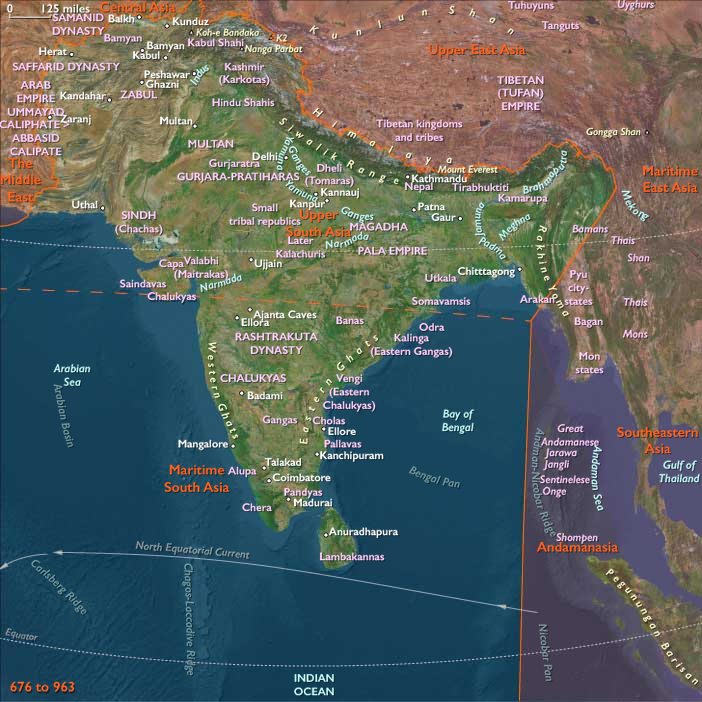
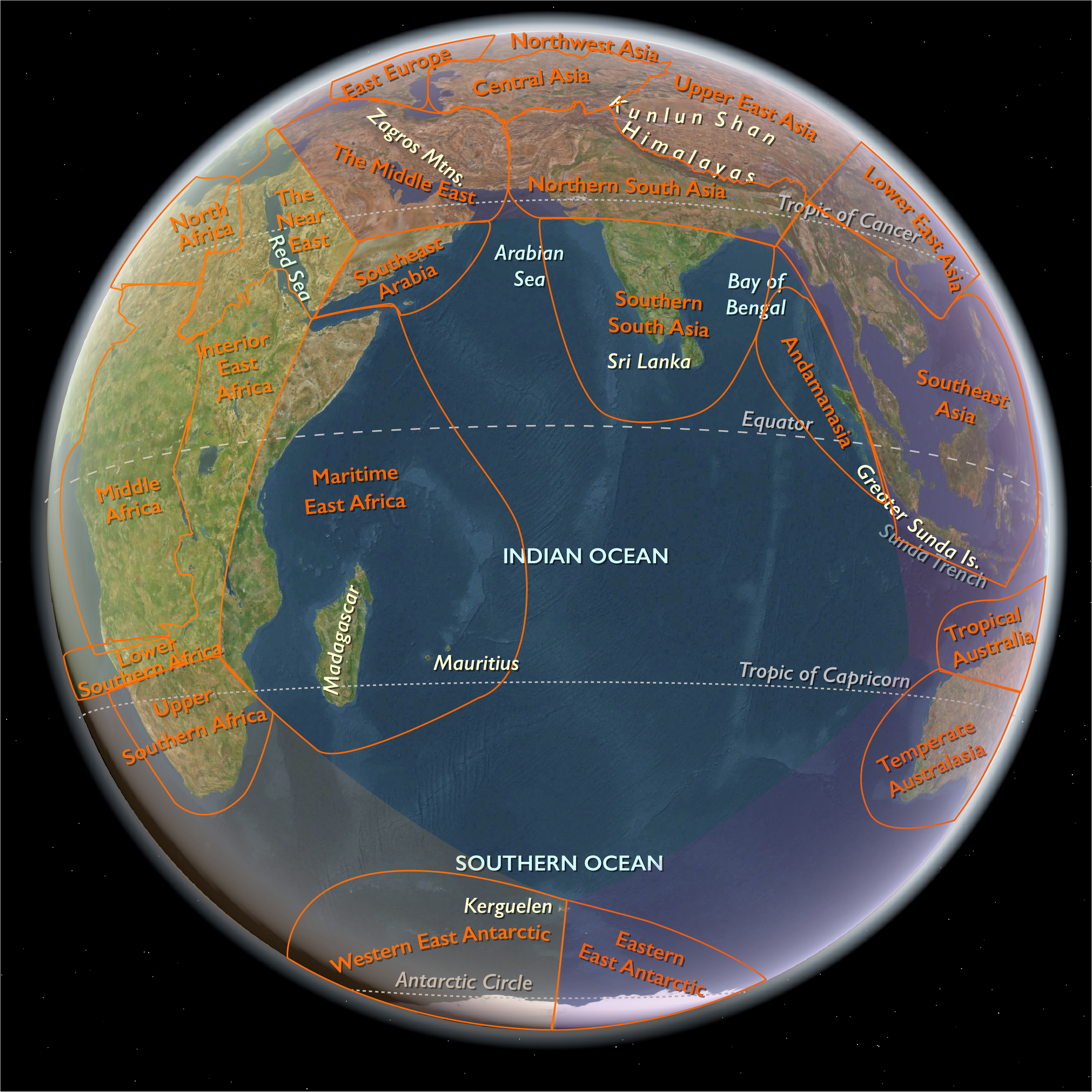
Maritime South Asia includes peninsular India south of the Narmada River (Tamil Nadu, Kerala, Karnataka, Andhra Pradesh, Telangana, Maharashtra, Goa, Dadra and Nagar Haveli and Daman and Diu, southern Odisha, southern Chhattisgarh), Sri Lanka, Lakshadweep, the Maldives, and the Chagos Archipelago.
-
Anchors: the Tamil plains, Deccan plateau, Kerala backwaters, Sri Lanka’s dry and wet zones, and the Maldives–Chagos island chains.
Climate and Environmental Shifts
-
A generally stable monsoon regime favored wet-rice agriculture in the Tamil plains and Sri Lanka’s north-central zone.
-
Sri Lanka’s Anuradhapura irrigation system reached its peak, sustaining large populations.
-
The Deccan plateau remained more reliant on dry-farming and seasonal rainfall.
-
Lakshadweep, Maldives, and Chagos were dependent on coconuts, fishing, and rainwater catchments, with subsistence ecologies largely isolated from the mainland.
-
Societies and Political Developments
-
South India:
-
Pallavas of Kanchipuram declined; Cholas reemerged in the Kaveri delta, laying foundations for later empire.
-
Rashtrakutas dominated Deccan uplands, pressing into Tamilakam.
-
Cheras in Kerala maintained spice and timber trade.
-
Sri Lanka:
-
Island polities:
-
Maldives converted to Islam c. 1153 (later than this age), but in this period Buddhism still dominated.
-
Lakshadweep and Chagos remained sparsely inhabited, with fishing–coconut subsistence.
Economy and Trade
-
Rice cultivation in Tamil plains and Sri Lanka.
-
Spices (pepper, cardamom) from Kerala; elephants and gems from Sri Lanka.
-
Maritime trade: Indian textiles, Sri Lankan pearls and cinnamon exchanged with Arab and Southeast Asian merchants.
-
Islands: Maldives cowries circulated regionally.
Belief and Symbolism
Long-Term Significance
By 963, the Cholas were rising, Rashtrakutas powerful, Sri Lanka flourishing, and island chains forming small-scale maritime nodes.