Nizam al-Mulk
Persian scholar and vizier of the Seljuq Empire
Years: 1018 - 1092
Abu Ali al-Hasan al-Tusi Nizam al-Mulk (April 10, 1018 – October 14, 1092), better known as Khwaja Nizam al-Mulk Tusi (Persian: Khwāğa Nizāmu l'Mulk al-Ṭusī) is a Persian scholar and vizier of the Seljuq Empire.
He holds near absolute power for 20 years after the assassination of Alp Arslan in 1072.
"Nizam al-Mulk" is an honorific that he assumes after achieving prominence.
It means in Arabic: "good order of the kingdom."
Related Events
Filter results
Showing 10 events out of 11 total
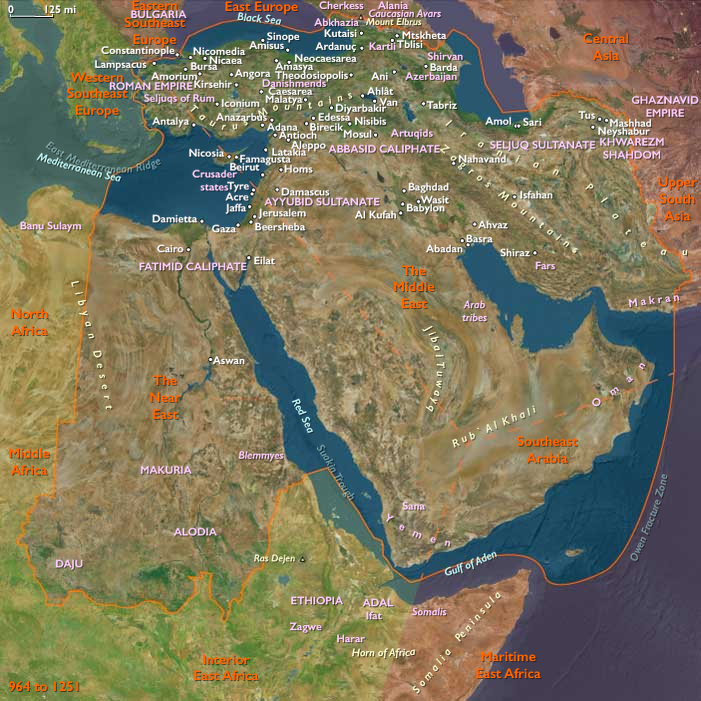
The Near and Middle East (820 – 1107 CE): Abbasid Fragmentation, Fatimid Cairo, and the Gulf of Frankincense
Geographic and Environmental Context
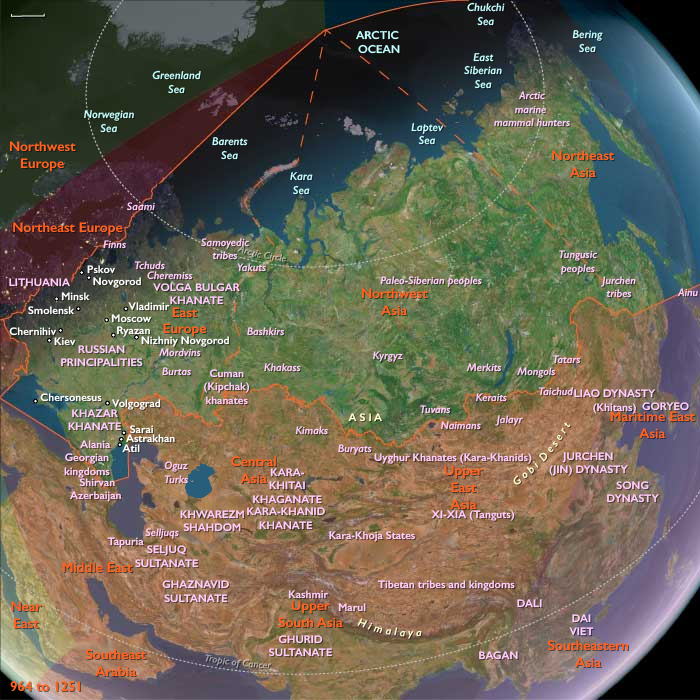
Between the Tigris–Euphrates heartlands and the Nile Valley, across the Caucasus, Levant, Arabian deserts, and Red Sea–Indian Ocean corridors, the Near and Middle East formed one of the most interconnected and volatile regions of the early second millennium.
Its landscapes ranged from Mesopotamian canal plains and Persian qanāt belts to Syrian steppe margins, Caucasian uplands, Arabian incense valleys, and Egypt’s deltaic floodplains.
Cities such as Baghdad, Rayy, Tabriz, Cairo, Tyre, and Aden anchored a web of trade routes linking Byzantine Anatolia, Central Asia, India, and East Africa.
Climate and Environmental Shifts
Throughout this period, stable late-Holocene conditions supported agricultural and maritime prosperity.
The Tigris–Euphrates canals, qanāt systems of Iran, and Syrian norias sustained irrigated cores.
The Medieval Warm Period (after c. 950) modestly improved growing seasons in Egypt and western Anatolia, though the 1060s Nile failure precipitated crisis and reform under the Fatimids.
In the Gulf and southern Arabia, arid stability continued; monsoon-fed groves in Dhofar sustained incense cultivation, while Red Sea and Indian Ocean winds structured predictable sailing cycles.
Societies and Political Developments
Fragmentation and Transformation in the Abbasid Realm (820–963 CE)
During the later Abbasid centuries, imperial unity gave way to regional dynasties and shifting religious allegiances.
-
In Iraq and Iran, local powers—the Tahirids of Khurasan, Saffarids of Sistan, and Samanids of Transoxiana—asserted autonomy.
-
In 945, the Buyids seized Baghdad, establishing a Shi‘i-leaning amirate over the caliphate.
-
Syria and Cilicia oscillated between Abbasid, Tulunid, and later Ikhshidid governors; frontier thughūr (Cilicia) endured Byzantine–Muslim warfare.
-
In the Caucasus, the Bagratid kings of Armenia (885) and Bagrationi princes of Georgia consolidated Christian monarchies.
-
In eastern Arabia, the Qarmatians (from 899)—a radical Isma‘ili movement—dominated the al-Ahsa–Qatif oasis, raiding pilgrim routes and challenging Abbasid legitimacy.
-
Oman preserved Ibāḍī autonomy through coastal and oasis sheikhdoms.
-
The northeastern coast of Cyprus and northern Lebanon (Tripoli) remained contested or semi-autonomous trade nodes.
The Fatimid and Byzantine Ascendancy (964–1107 CE)
From the late tenth century, the regional axis shifted westward and southward.
-
Egypt, seized by the Fatimids in 969, became the intellectual and commercial core of the Isma‘ili world. Cairo and al-Azhar (970) emerged as twin centers of government and scholarship.
-
After the Nile crisis of the 1060s, Vizier Badr al-Jamālī restructured army and finance, restoring stability.
-
The Nubian kingdoms of Makuria and Alodia maintained Christian sovereignty under the Baqt treaty, linking Upper Egypt and the Sudanese gold and ivory trade.
-
In the southern Levant, Tyre remained a Fatimid-aligned port and cultural hub even after the First Crusade (1099), functioning as Egypt’s last Levantine lifeline.
-
Across western Arabia, Mecca and Medina remained under shifting control but continued as pilgrimage and trade nexuses of the Red Sea.
-
In western Yemen, a succession of Ziyadid, Yufirid, Najahid, and Sulayhid dynasties ruled; under Queen Arwa al-Sulayḥī (from 1067), Yemen entered a period of prosperity and Fatimid-aligned reform.
-
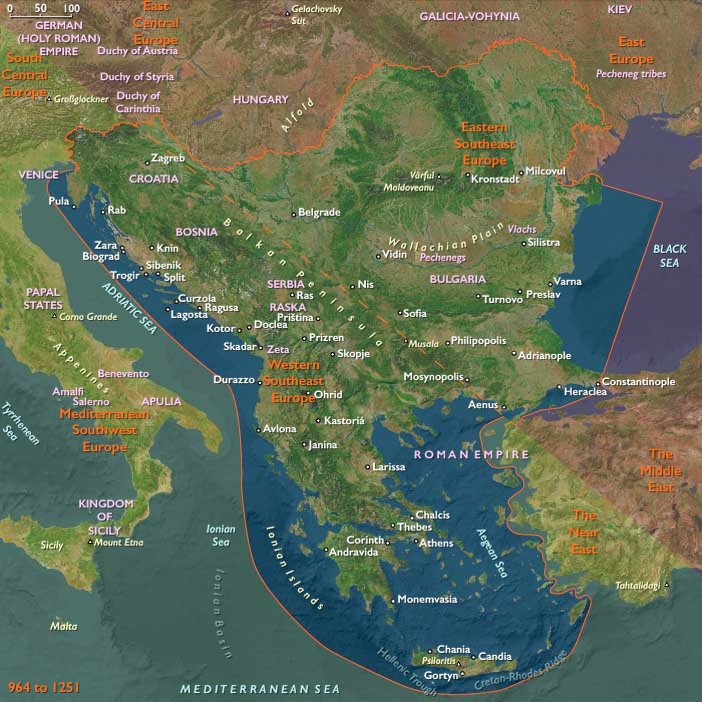
In western Anatolia, the Byzantine themes of Ionia and Caria faced Seljuk incursions after Manzikert (1071), yet by 1107, coastal cities and southwestern Cyprus still operated within Byzantine maritime networks.
Southeast Arabia: Frankincense and Maritime Crossroads (964–1107 CE)
To the southeast, Hadhramaut and Dhofar remained the incense heartlands.
-
Tribal principalities controlled frankincense wadis and exported resins via Aden into the Fatimid trade sphere.
-
Socotra, midway between Aden and India, alternated among Abbasid, Omani, and local rule, hosting Muslim, Christian, and mixed-faith communities.
-
The Empty Quarter and Najran corridors stayed under Bedouin control, guarding wells and caravan routes.
Economy and Trade
Agrarian surpluses and maritime commerce sustained this vast region.
-
Mesopotamia and Iran: irrigation-fed cereals, dates, flax, cotton, and silk formed the economic core.
-
Caucasus: exported metals, wine, and timber through Tabriz–Rayy–Khurasan and Derbent corridors.
-
The Gulf: pearls from Bahrain/Qatif, Arabian horses, and dates moved to India; Hormuz’s precursors and Omani ports connected Gulf and Indian markets.
-
Egypt and the Red Sea: Fatimid fleets carried grain, sugar, and flax northward and imported spices, textiles, and aromatics from India and Yemen.
-
Tyre exported glass, dyed textiles, and silverware; its port linked Fatimid Egypt to Byzantium and post-Crusade markets.
-
Western Anatolia and Cyprus shipped timber, wine, and oil; Byzantine coins and Fatimid dinars circulated concurrently.
-
Southeast Arabia exported frankincense, myrrh, dragon’s blood, and pearls; Socotra became a vital provisioning and exchange stop for sailors en route to India.
Regional and transoceanic trade tied Baghdad, Cairo, Aden, Basra, Hormuz, Tyre, and Byzantium into a unified commercial matrix.
Subsistence and Technology
-
Irrigation and hydraulics: Abbasid–Buyid qanāts, Fatimid canal dredging, and Yemeni terrace farming exemplified environmental control.
-
Architecture: Abbasid domes, Fatimid mosques and palaces, and mountain fortresses of Armenia and Yemen reflected plural artistic traditions.
-
Industry: Syrian and Lebanese glass, Persian textiles, Egyptian sugar, and Omani shipbuilding drove production.
-
Maritime technology: lateen-rigged merchantmen, stitched Omani hulls, and Red Sea galleys expanded regional range.
-
Education and law: Cairo’s al-Azhar and Baghdad’s madrasas became twin pillars of Islamic scholarship, influencing law from North Africa to Iran.
Movement and Interaction Corridors
-
Overland routes:
-
Tabriz–Rayy–Nishapur linked the Caspian and Khurasan.
-
Mosul–Aleppo–Cilicia formed the Byzantine–Muslim frontier artery.
-
Baghdad–Basra–Gulf joined caravan and maritime exchange.
-
Caucasus passes (Darial, Derbent) tied Eurasia’s steppe to Iran and Armenia.
-
-
Maritime routes:
-
Red Sea–Aden–Socotra–India formed the incense and spice conveyor of the western Indian Ocean.
-
Aegean–Cyprus–Levantine lanes connected Byzantine and Fatimid economies.
-
-
Pilgrimage and religious routes:
-
The Hajj linked Cairo, Damascus, and Mecca; Nubian and Coptic pilgrims used the Nile corridor.
-
Qarmatian disruptions (late ninth–tenth century) reshaped caravan security until their decline.
-
Belief and Symbolism
Religion shaped politics and art across the region’s diverse civilizations.
-
Abbasid Baghdad upheld Sunni orthodoxy, while Buyid Shi‘i patronage introduced dual authority in the caliphal capital.
-
Fatimid Cairo represented Isma‘ili Shi‘ism, expressed through ceremonial procession and missionary (daʿwa) networks.
-
Seljuk and Sunni revivalism later strengthened orthodox learning through Nizāmiyya madrasas.
-
Armenia and Georgia thrived as Christian kingdoms; Nubia maintained strong Coptic ties.
-
Oman and Hadhramaut preserved Ibāḍī and emerging Sufi traditions.
-
Socotra remained a unique enclave of overlapping Christian, Muslim, and local rituals.
-
Byzantine Orthodoxy and Islamic scholarship met in Aegean borderlands, each influencing Mediterranean art and philosophy.
Adaptation and Resilience
Regional resilience stemmed from environmental management and trade flexibility:
-
Canal repair and Nile engineering in Fatimid Egypt restored food security after crisis.
-
Maritime redundancy—using Tyre and Red Sea routes—sustained commerce during wars.
-
Nomadic–sedentary alliances in Arabia stabilized caravan systems.
-
Hydraulic innovation and mountain terrace farming in Yemen and Iran prevented ecological decline.
-
Religious institutions—mosques, monasteries, and madrasas—served as networks of welfare, education, and credit that buffered communities during political upheaval.
Long-Term Significance
By 1107 CE, the Near and Middle East had evolved into a polycentric, commercially integrated, and religiously diverse region:
-
Fatimid Cairo dominated Nile–Red Sea exchange and became the intellectual capital of the Islamic world.
-
Baghdad remained a symbolic caliphal seat, overshadowed by Buyid and later Seljuk power.
-
Armenia and Georgia flourished as Christian highland monarchies.
-
Byzantine Anatolia held its Aegean shores against Seljuk incursions.
-
The Gulf and Southeast Arabia prospered through frankincense, pearls, and seaborne trade, linking Arabia with India and East Africa.
-
Yemen and the Hejaz, under Sulayhid and Fatimid influence, mediated the pilgrimage and spice routes.
-
Nubia and Tyre preserved Christianity and commerce amid rising Crusader–Muslim rivalry.
The eleventh century thus marked a moment when no single empire commanded the region, yet its networks of irrigation, scholarship, and seafaring produced an enduring unity—one sustained by faith, trade, and the disciplined adaptation of societies to land and sea alike.
Middle East (820 – 963 CE): Abbasid Fragmentation, Caucasian Kingdoms, and the Qarmatian Gulf
Geographic and Environmental Context
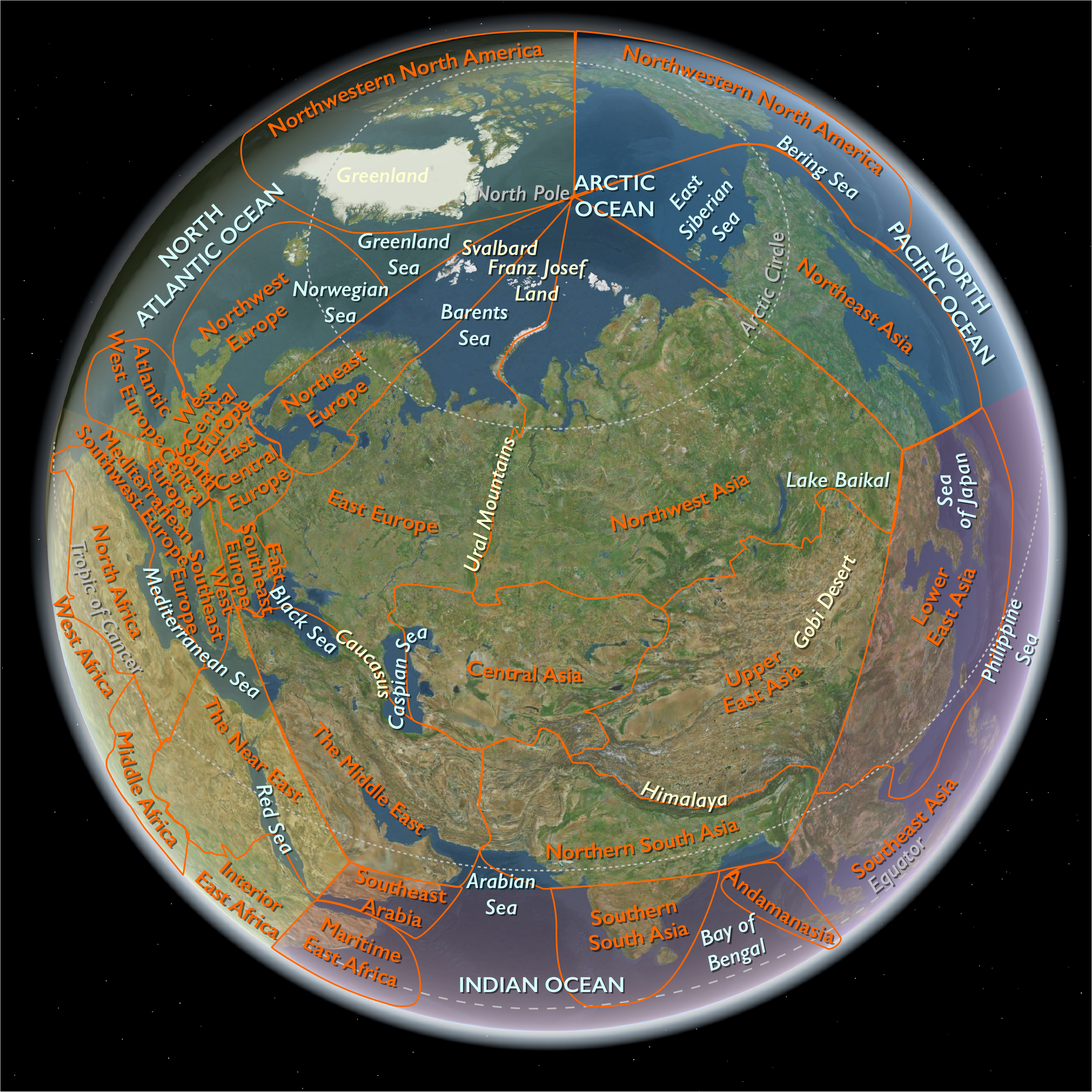
As defined above. Key zones: Baghdad–Tigris, Tabriz–Azerbaijan–Rayy, Caucasus (Armenia–Georgia–Azerbaijan), Cilicia and Syrian uplands, eastern Jordan, northeastern Cyprus, and the eastern Arabia–northern Oman–Gulf rim.
Climate and Environmental Shifts
-
Stable late-Holocene conditions; productivity hinged on Tigris–Euphrates canals, qanāt belts in Iran, and Syrian rain-fed plains.
-
Gulf fisheries and pearls flourished; steppe margins swung with rainfall.
Societies and Political Developments
-
Abbasid Baghdad retained symbolic primacy while power devolved to regional dynasts.
-
Iran–Iraq: Tahirids (Khurasan), Saffarids (Sistan) and Samanids (Transoxiana/Khurasan) pressed Abbasid frontiers; Buyids seized Baghdad in 945, creating a Shi‘i-leaning amirate over the caliphs.
-
Syria & Cilicia: administered under Abbasid/Tulunid (868–905) and later Ikhshidid (935–969) governors; Cilician thughūr (frontiers) saw Byzantine–Muslim raiding.
-
Caucasus: Bagratid Armenia restored kingship (885); Georgia consolidated under Bagrationi princes.
-
Eastern Arabia–Gulf: the Qarmatians (from 899) dominated al-Ahsa–Qatif, raiding the Gulf and pilgrim routes; northern Oman maintained Ibāḍī polities and port autonomy.
-
Northeastern Cyprus: intermittent Byzantine–Abbasid condominium and raiding base.
-
Lebanon (north/coastal—Tripoli) prospered as a glass/textile port (southernmost strip excluded).
Economy and Trade
-
Irrigated cores: Mesopotamian grain/dates/flax; Persian cotton/silk; Syrian cereals/olives.
-
Gulf maritime: pearls (Bahrain/Qatif), horses, dates, and Gulf–India traffic via Hormuz’s precursors and Omani ports.
-
Caravans: Tabriz–Rayy–Khurasan silk/horse routes; Aleppo/upper Syria to Jazira–Iraq.
-
Coinage: Abbasid dīnārs/dirhams; regional mints proliferated under Buyids/Samanids.
Subsistence and Technology
-
Canals & qanāt kept oases productive; Syrian norias; glass/textiles in Syrian and Lebanese workshops.
-
Military: cavalry, composite bows; fortified Cilician passes.
Movement Corridors
-
Tabriz–Rayy–Nishapur; Mosul–Aleppo–Cilicia; Baghdad–Basra–Gulf; Caucasus passes (Darial/Derbent); northeastern Cyprus as a coastal node.
Belief and Symbolism
-
Sunni orthodoxy at Baghdad; Shi‘i Buyid patronage later in the century.
-
Armenian/Georgian churches flourished; Ibāḍī Oman endured.
-
Qarmatian heterodoxy challenged pilgrimage and Abbasid prestige.
Long-Term Significance
By 963, the Middle East was a polycentric field: Buyid Baghdad, Armenian–Georgian crowns, Ikhshidid Syria/Cilicia, and a Qarmatian-dominated Gulf—frameworks that would channel Fatimid, Seljuk, and Byzantine surges in the next age.
The dominion of Alp Arslan after Manzikert extends over much of western Asia.
He soon prepares to march for the conquest of Turkestan, the original seat of his ancestors.
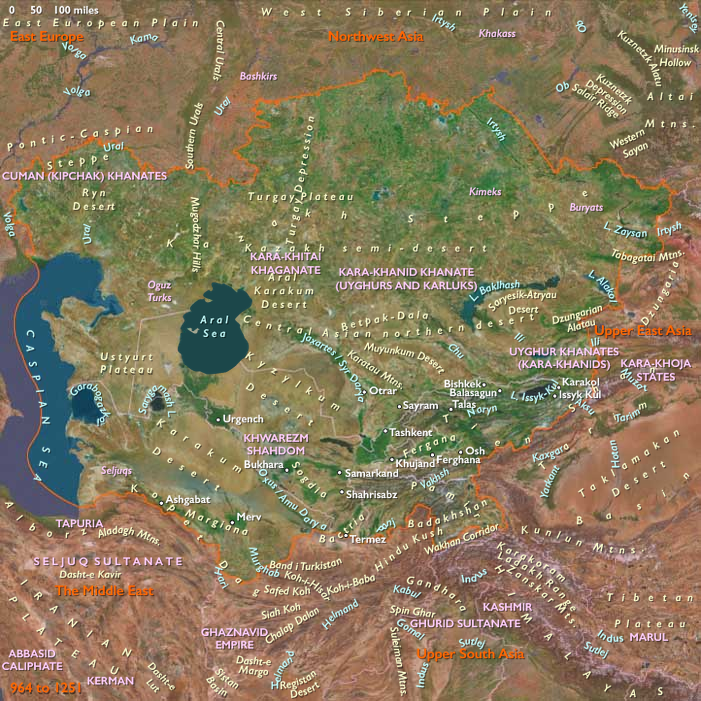
With a powerful army, he advances to the banks of the Oxus, the Ghaznavid frontier.
Before he can pass the river with safety, however, it is necessary to subdue certain fortresses, one of which is for several days vigorously defended by the governor, Yussuf el-Harezmi, a Khwarezmian.
He is obliged to surrender, however, and is carried as a prisoner before the sultan, who condemns him to death.
Yussuf, in desperation, draws his dagger and rushes upon the sultan.
Alp Arslan, who takes great pride in his reputation as the foremost archer of his time, motions to his guards not to interfere.
He draws his bow, but his foot slips, the arrow glances aside, and he receives the assassin's dagger in his breast.
Alp Arslan dies from this wound four days later, on November 25, 1072, in his forty-second year, and he is taken to Merv to be buried next to his father, Chaghri Beg.
Gregory Pakourianos, whose origins are a matter for scholarly dispute, is believed to have hailed from the region of Tao or Tayk, which had been annexed by Constantinople to the theme of Iberia in 1001.
According to the contemporary historian Anna Komnena, who knew Pakourianos personally, Gregory was "descended from a noble Armenian family," while the Armenian chronicler Matthew of Edessa, from the twelfth century, saying Pakourianos was of "Vrats'" origin, had in mind the religious affiliation of Pakourianos.
Gregory himself proclaimed that he belonged to "the glorious people of the Iberians" and insisted his monks of the Monastery of the Mother of God Petritzonitissa in Bachkovo, which he had founded, to know the Georgian language.
According Anna Komnena, Pakourianos was tiny of body but a mighty warrior.
In 1064, he had participated in the unsuccessful defense of Ani against the Seljuq leader Alp Arslan and his allies: the Caucasian Georgians headed by King Bagrat IV of Georgia and Albanians headed by King Goridzhan.
He has served afterwards under Michael VII Doukas in various responsible positions on both the eastern and the western frontiers of the empire.
Since 1071, he has been a governor of the Theme of Iberia.
As the Seljuq advance had forced the imperial forces to evacuate the eastern Anatolian fortresses and the Theme of Iberia, he cedes control over Kars to King George II of Georgia in 1072-1073.
This will not help to stem the Turkish advance, however, and the area will become a battleground of the Georgian-Seljuq wars.
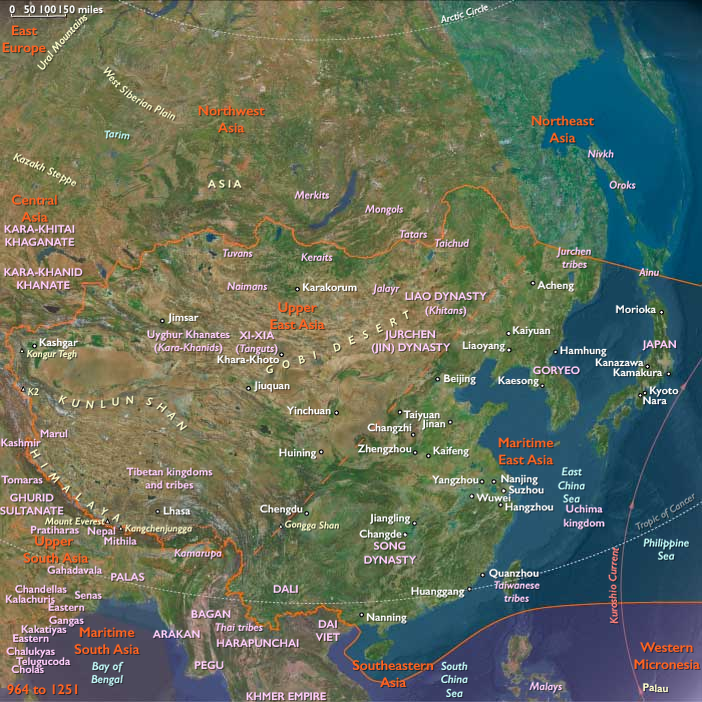
Malik-Shah, along with Nizam al-Mulk, had taken part Alp Arslan’s campaign in the Caucasus in 1064.
The same year, Malik-Shah had been married to Turkan Khatun, the daughter of the Kara-Khanid khan, Ibrahim Tamghach-Khan.
Following his father's assassination, Malik is challenged in battle by his uncle, Qawurd-Beg.
In January 1074, their armies meet near Hamadan, Qawurd-Beg's troops consist of the traditional Turkmen elements from Alp Arslan's army, while Malik's consists of ghulams and contingents of Kurdish and Arab troops.
Due to Turkmen defections to Malik's army, Qawurd is defeated and, despite Malik's consideration for mercy, is later poisoned, presumably on the orders of vizier Nizam al-Mulk.
The Jalali calendar, a sidereal calendar used in Persia, is reformed in 1075 under instructions from Nizam al-Mulk Throughout Malik's reign, new institutions of learning will be systematically established throughout the Seljuq lands, in such cities as Herat, Baghdad, Mosul, Basra, Nishapur, and Isfahan, the famous Nizamiyyah schools, which are named after him.
In many respects, these schools will turn out to be the predecessors and models of universities that will be established in Europe.
Alp Arslan’s son, Malik Shah, succeeds him as Great Seljuq sultan.
With the support of his father's vizier, Nizam al-Mulk, he continues his predecessor's policy of supporting Sunnite Islam against Egypt's Shiite Fatimid dynasty.
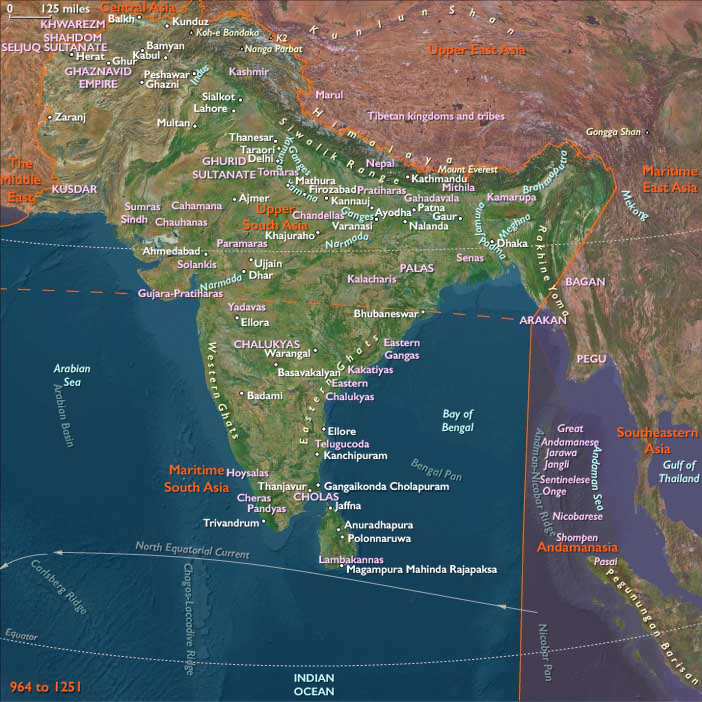
Nizam al-Mulk is the true manager of the Seljuq empire, extending Seljuq rule from the borders of Anatolia in the west to Transoxiana in the east, where the Seljuqs push back a Kara-Khanid attack on Khorasan and establish a shaky truce with the Ghaznavids, who continue to oppose the Seljuqs.
Seljuq vizier Nizam al-Mulk has developed the divan (imperial council) as the basic institution of government, and employs a bureaucratic hierarchy organized around a financial and administrative unit known as iqta.
He embodies these measures in his voluminous treatise on kingship titled Siyasatnama (The Book of Government) which had been written in response to Malik Shah’s request that his ministers produce books on government, administration and the troubles facing the nation.
However, the treatise made by Nizam is the only one to receive approval and is consequently accepted as law.
Nizam al-Mulk will leave a great impact on organization of the Seljuq governmental bodies and hence the title Nizam al-Mulk which translates as "Order of the Realm".
He is a pivotal figure who bridges the political gap between both the Abbasids and the Seljuqs against their various rivals, including the rival Fatimid Caliphate.
The Seljuq military is a heavy mixed different peoples, including Turks, Armenians, Greeks, Arabs, and Slavs.
Nizam, however, favors Iranian soldiers, such as the Dailamites, Khorasanis, and the Shabankara Kurds; he also favors the Georgians.
As the nomadic way of life of the Turkmens represents a significant threat to the political and economic stability of the country, Nizam al-Mulk seeks to create employment opportunity for those Turkmens who had migrated to the Iranian plateau during the Seljuq successes in Persia.
Ibn Bahmanyar, one of Nizam’s many enemies, tries to poison him in 1081/1082, but fails and is blinded by Nizam, after which enemies of Nizam spread false stories about him and his son, Jamal al-Mulk, who tears out the tongue of Ja'farak, one of the perpetrators.
Malik Shah has no power to intervene in the event, but instead has Jamal poisoned.
Malik-Shah, having overcome the revolt of his uncle Qawurd-Beg and an attack of the Kara-Khanids of Bukhara on Khorasan, has hereafter consolidated and extended his Great Seljuq empire more through diplomacy and the quarrels of his enemies than by actual warfare.
He has suppressed the former vassal principalities of upper Mesopotamia and Azerbaijan, acquired Syria and Palestine, and established a strong protectorate over the Kara-Khanids and a measure of control over Mecca and Medina, Yemen, and the Persian Gulf territories.
The Seljuq administration has imposes their influence on the Caucasus, fortifying Turkish Azerbaijan against Armenian and Georgian expansionism.
Malik-Shah has by the 1080s become less acquiescent to the policies of his Persian vizier, Nizam al-Mulk, who also antagonizes the sultan's favorite courtier, Taj al-Mulk, and has made an enemy of the sultan's wife Terkhen-Khatun by preferring the son of another wife for the succession.
Nizam al-Mulk is assassinated en route from Isfahan to Baghdad on October 14, 1092, according to one version of the death of the Seljuq vizier.
Most histories says he was stabbed by the dagger of a member of the Assassins (Hashshashin) sent by the notorious Hassan-i-Sabbah near Nahavand, as he was being carried on his litter.
The killer had approached him disguised as a dervish.
The murder is probably committed by an Isma'ilite from Alamut, possibly with the complicity of Taj al-Mulk and Terkhen-Khatun, if not that of Malik-Shah himself.
Another report says he was killed in secret by Malik Shah I in an internal power struggle.
As a consequence, his murder will be avenged by the vizier's loyal academics of the Nizamiyyah, by assassinating the Sultan.
The account is disputed and remains controversial because of the long history of friendship between Malik Shah I and Nizam.
Another report says that he was assassinated with Malik Shah I in the same year, after a debate between Sunni and Shi'a scholars which was prepared by him by the orders of Malik Shah I and which resulted in converting him and the king to the Shi'a ideology.
The story is reported by the son-in-law of Nizam al-Mulk, Mughatil ibn Bakri, who attended the debate.