Nikephoros I of Constantinople
Patriarch of Constantinople
Years: 758 - 828
St. Nikephoros I or Nicephorus I, (c. 758 – April 5, 828) is a Christian Byzantine writer and Ecumenical Patriarch of Constantinople from April 12, 806, to March 13, 815.
Related Events
Filter results
Showing 10 events out of 11 total
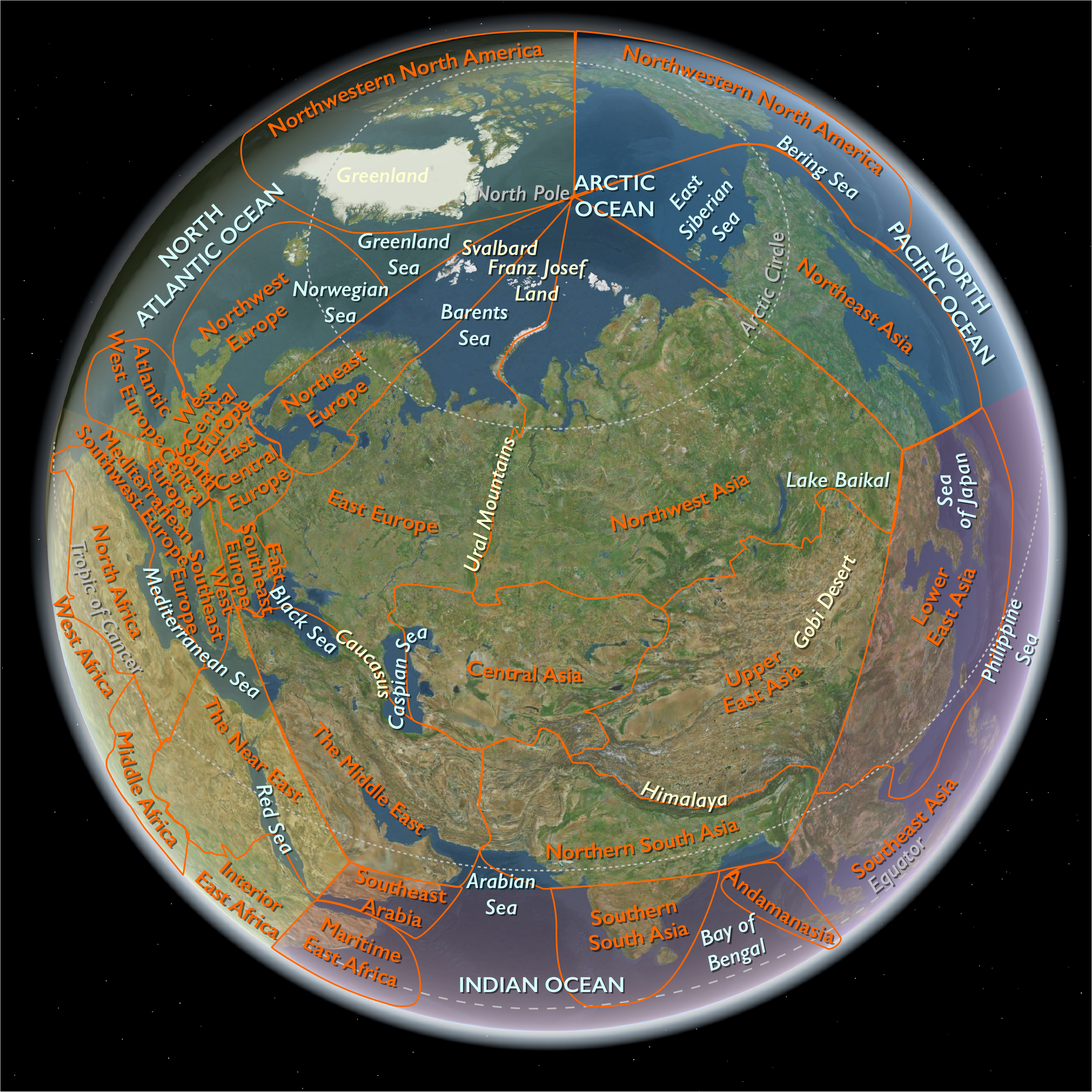
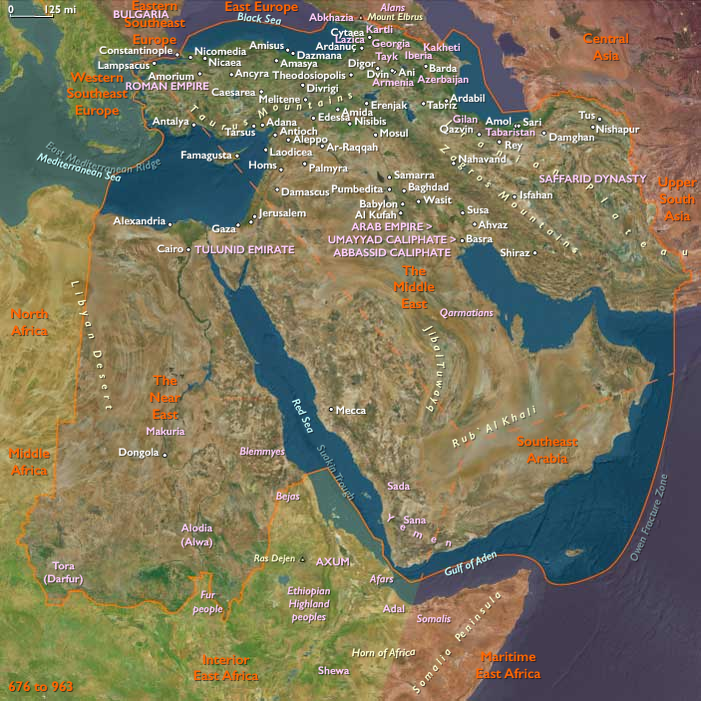
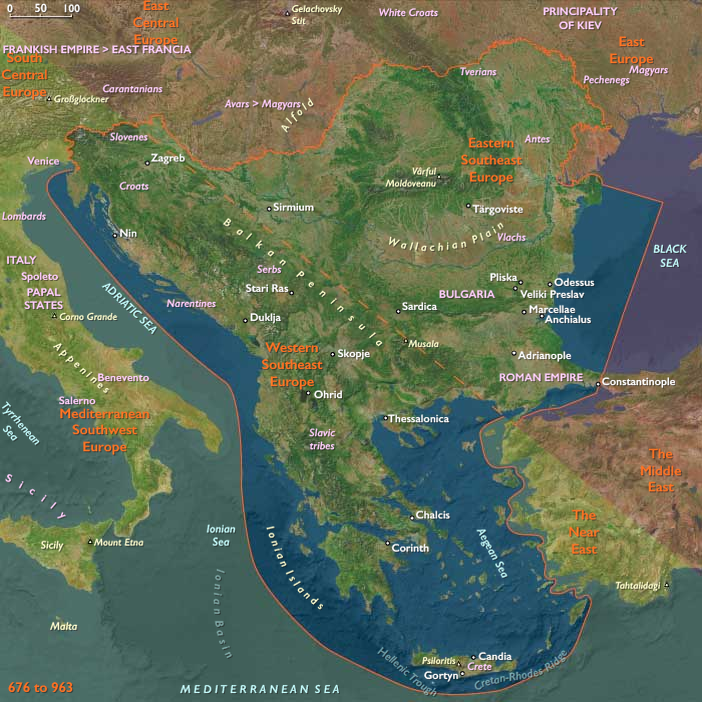
The East Roman state, shrunken by the Slavic invasions and Islamic conquests of the seventh and eighth centuries, survives as a recognizable entity, grounded more firmly than ever in the Balkans and Asia Minor.
The Seventh Ecumenical Council, at the urging of Empress Irene, and with the support of Pope Adrian and Patriarch Nikephoros, representing seventeen-year-old Emperor Constantine VI, effectively ends the Eastern church's policy of iconoclasm in declaring that, whereas the veneration of images must be carefully distinguished from the worship due God alone, the practice is legitimate and the intercession of saints efficacious.
Eastern Southeast Europe (784–795 CE): Religious Restoration, Regional Stability, and Administrative Reorganization
Settlement and Migration Patterns
Stabilization and Territorial Consolidation
From 784 to 795 CE, Eastern Southeast Europe continued to solidify as a stable entity despite past territorial contractions from Slavic and Islamic incursions. The Byzantine state was now grounded firmly in the Balkans and Asia Minor, securing regional cohesion.
Political and Military Developments
Territorial Stability and Defense
The Byzantine state maintained its territorial integrity, anchored in the Balkans and Asia Minor despite previous losses from Slavic migrations and Islamic conquests. Continued investment in military infrastructure reinforced territorial defense and ensured sustained imperial security.
Administrative Reorganization: Formation of Thrace and Macedonia Themes
In response to the persistent instability resulting from Slavic incursions, the Byzantine Empire initially established the theme of Thrace in the late 7th century within the hinterlands of Thessaloniki. However, due to ongoing challenges, the Empire withdrew its defensive lines southward along the Aegean coast. Consequently, between 789 (or 797) and 801/802 CE, Empress Irene of Athens created the new theme of Macedonia from the older Thrace theme. Byzantine Macedonia primarily encompassed modern Southern Thrace, with Adrianople as its administrative center.
Economic and Technological Developments
Economic Stability and Growth
Ongoing peace and political stability facilitated continued economic prosperity, enhancing agricultural productivity and securing trade routes vital for regional economic resilience.
Continued Military and Defensive Innovations
Strategic defense initiatives and infrastructure investments, particularly in frontier areas, supported regional security and preparedness against external threats, contributing significantly to imperial stability.
Cultural and Artistic Developments
Flourishing Cultural Expression
Cultural and artistic activities thrived during this period, supported by sustained peace and stability. Investment in religious and cultural institutions continued to enrich regional artistic expression and identity.
Scholarly Continuity
Intellectual and educational institutions actively preserved and advanced classical and theological knowledge, ensuring cultural continuity and resilience.
Social and Religious Developments
Restoration of Religious Iconography
The Seventh Ecumenical Council, convened at the urging of Empress Irene and supported by Pope Adrian and Patriarch Nikephoros, ended the Eastern Church's official policy of Iconoclasm. The council clarified the veneration of images, distinguishing it from the worship reserved for God alone, declaring this practice legitimate and affirming the intercession of saints. This restoration had profound implications for Byzantine religious practice and cultural identity.
Strengthening of Eastern Orthodox Identity
The restoration of religious imagery significantly bolstered the influence and social cohesion fostered by Eastern Orthodox Christianity, reinforcing its central societal role and communal identity.
Long-Term Consequences and Historical Significance
The period from 784 to 795 CE was marked by significant religious restoration, territorial stability, and administrative reorganization. The establishment of the Macedonia theme, combined with the decisions of the Seventh Ecumenical Council, fundamentally shaped Byzantine religious practice and regional identity, leaving enduring legacies for Eastern Orthodox Christianity and influencing the subsequent historical trajectory of Eastern Southeast Europe.
The ecumenical council is again summoned to meet, this time in Nicaea, since Constantinople is still distrusted.
The Second Council of Nicaea (the seventh ecumenical council of the Christian church) assembles on September 24, 787 at the church of Hagia Sophia.
It numbers about three hundred and fifty members; three hundred and eight bishops or their representatives sign.
Tarasius presides, and seven sessions are held in Nicaea.
At Irene’s urging, and with the support of Pope Adrian and Constantine VI’s representative, Nikephoros, the council declares that whereas the veneration of images is legitimate and the intercession of saints efficacious, their veneration must be carefully distinguished from the worship due God alone; this ruling effectively ends the Greek church’s policy of iconoclasm.
The papal legates voice their approval of the restoration of the veneration of icons in no uncertain terms, and the patriarch sends a full account of the proceedings of the council to Pope Adrian I, who has it translated.
The churchman Nikephoros was born in Constantinople as the son of Theodore and Eudokia, of a strictly orthodox family, which had suffered from the earlier Iconoclasm.
His father Theodore, one of the secretaries of Emperor Constantine V Kopronymos, had been scourged and banished to Nicaea for his zealous support of Iconodules, and the son has inherited the religious convictions of the father.
Nevertheless, he had entered the service of the Empire, become cabinet secretary, and under Irene had taken part in the synod of 787 as imperial commissioner.
He then withdrew to one of the cloisters that he had founded on the eastern shore of the Bosporus, until he was appointed director of the largest home for the destitute in Constantinople around 802.
After the death of the Patriarch Tarasios, although still a layman, Nikephoros is chosen patriarch by the wish of the emperor Nikephoros (Easter, April 12, 806).
The uncanonical choice meets with opposition from the strictly clerical party of the Stoudites, and this opposition intensifies into an open break when Nikephoros, in other respects a very rigid moralist, shows himself compliant to the will of the emperor by reinstating the excommunicated priest Joseph.
A truce arranged at the beginning of 809 ends the war between the Caliphate and the Empire that began in 803; this time, Emperor Nikephoros will abide by the terms of the agreement, which stipulates a yearly tribute to the ‘Abbasid caliphate of thirty thousand gold pieces.
Since the death of the fifth caliph, Harun ar-Rashid, has resulted in civil war in the Muslim world, hostilities against Constantinople from that quarter have ceased.
Although Nikephoros' religious policy is Orthodox rather than Iconoclast (e.g., he permits the veneration of images), he exercises strong control over the church, even going so far as to sponsor the convocation of a synod in 809 that declares the emperor exempt from ecclesiastical laws.
It is quickly evident that Staurakios will be unable to exercise actual authority due to his debilitating wound, paralysis of the legs and constant pain.
As his condition worsens, the court is split between the factions of his wife Theophano and his sister Prokopia, who hopes that her husband, Michael Rangabe, will be chosen as the Emperor's heir.
As he has no children of his own to succeed him, it soon becomes evident that Staurakios intends to designate Theophano as his successor.
Under his wife’s influence, he begins to freeze out both the Domestic Stephen and the magistros Theoktistos, and to ensure the transfer of power, he attempts to have Michael blinded on October 1, 811.
This act is frustrated by the actions of Stephen.
There is also a popular rumor that Staurakios plans to abolish the Empire and reestablish a republic.
The supporters of Michael, who now include both Stephen and Theoktistos, as well as the Patriarch Nikephoros I, who is alarmed at Staurakios’ plans to pass the throne to Theophano, forces the Emperor to abdicate on October.
2 Hearing of the accession of his brother-in-law, Staurakios takes Holy Orders.
Before being escorted from the palace, he is visited by his sister Prokopia, brother-in-law Michael, and the Patriarch, all of whom justify their actions by the fact of his severe injuries, while Staurakios reproaches them bitterly, in particular the Patriarch.
Staurakios retired to a monastery where he will died from the effects of his wound on January 11, 812.
Michael Rangabe becomes Emperor as Michael I.
Leo deposes Patriarch Nikephoros in 815 and convokes a synod for the following month that reimposes the decrees of the Iconoclast synod of Hieria of 754, which had opposed the use of icons.
Krum dies suddenly on April 13, 814, during preparations for a second siege of the imperial capital.
As both countries are exhausted by the sustained military effort, peace negotiations begin.
Leo succeeds in drawing the Bulgarians back and concludes a truce with Krum's son and successor, Omortag, who agrees in order to protect the western frontiers of his Bulgarian empire against the pressures exerted by Frankish expansion under Charles and his successors.
Emperor Leo V, called Leo the Armenian, had deposed Emperor Michael I Rangabe in 813 and had castrated Michael's sons to forestall future usurpations.
In a diplomatist move, he had written wrote a letter to Patriarch Nikephoros in order to reassure him of his orthodoxy (Nikephoros being obviously afraid of a possible iconoclasm revival).
With the iconodule policy of his predecessors associated with defeats at the hands of Bulgarians and Arabs, Leo had reinstituted Iconoclasm after deposing Nikephoros and convoking a synod at Constantinople in 815.
The emperor had used his rather moderate iconoclast policy to seize the properties of iconodules and monasteries, such as the rich Stoudios monastery, whose influential iconodule abbot, Theodore the Studite, he had exiled.
Leo has appointed competent military commanders from among his own comrades-in-arms, including Michael the Amorian and Thomas the Slav.
He has also persecuted the Paulicians.
Leo is assassinated on December 25, 820, during a Christmas service in Constantinople’s church of Hagia Sophia by friends of Michael the Amorian, whom, having incurred the suspicion of his former friend and been imprisoned on a charge of treason, Leo had condemned to death the day before, ordering him to be thrown into a furnace.
After Michael’s partisans assassinate Leo, they proclaim him Emperor Michael II.
Shortly before Michael ascends the throne, however, Thomas the Slav raises a rebellion, giving himself out to be the unfortunate Emperor Constantine VI, blinded thirty-three years earlier, who had somehow escaped blinding, and secures his coronation at the hands of the Patriarch of Antioch; this is accomplished with the willing permission of Caliph al-Ma'mun, under whose jurisdiction Antioch lies.
Thomas, standing as champion to the poor and with the support of al-Ma'mun, marches west in spring 821 at the head of a motley force of Caucasian peoples whose sole bonds are to be found in their devotion to iconodule doctrine and their hatred of Michael's Iconoclasm.
In his account of the revolt, the historian Genesius lists a variety of peoples from whom the armies of the rebel were drawn: Saracens, Abasgians, Getae, Alans, Chaldoi, Armenians, Vandals and adherents of heretical sects of the Paulicians and Athinganoi.
Within a matter of months, only two themes in Asia Minor remain loyal to Michael, and in December 821, Michael besieges Constantinople.