Muhammad Ayub Khan
2nd President of Pakistan
Years: 1907 - 1974
Muhammad Ayub Khan (May 14, 1907 – 19 April 1974) is a five-star general officer and statesman, serving as the second President of Pakistan and its first military dictator from 1958 until his forced resignation in 1969.
A self-appointed field marshal, the only such five-star rank in Pakistan's military history, he is appointed the first chief martial law administrator by President Iskander Mirza in 1958, a post he retains until the promulgation of a new constitution in 1962.
After receiving training at Sandhurst, Ayub fights in World War II as a British Indian Army officer.
He opts for the new state of Pakistan while stationed in East Pakistan in 1947 at the time of Partition.
He is appointed the country's first native commander-in-chief in 1951 by then-Prime Minister Liaquat Ali Khan, in a controversial promotion over several senior officers.
President Mirza's decision to declare martial law in 1958 is supported by Ayub, whom Mirza declares chief martial law administrator.
Two weeks later, Ayub depose Mirza in a bloodless coup and assumes the presidency.
He relinquishes the post of army chief to General Musa Khan the same year.
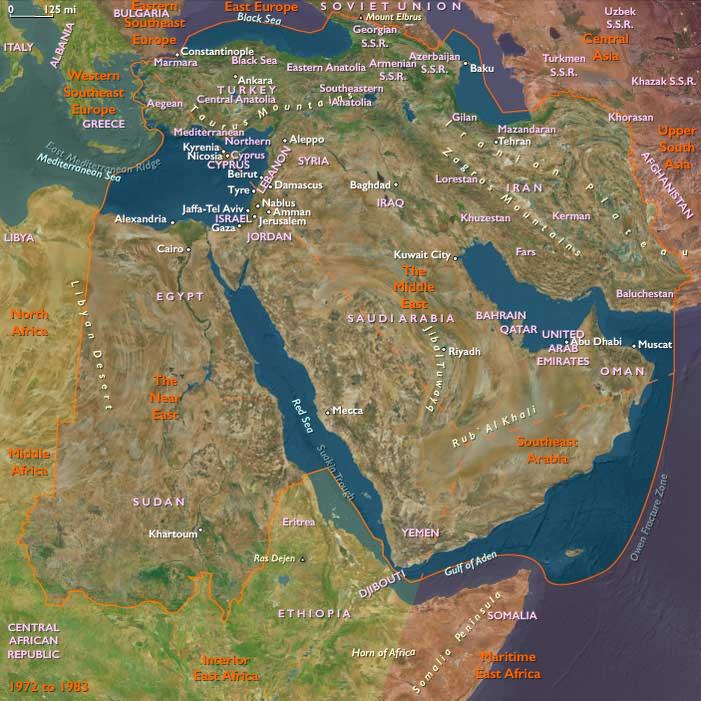
Ayub continues his predecessors' policy of a non-aligned alliance with the United States during the Cold War, joining CENTO, and allowing the U.S. and Britain access to facilities inside Pakistan, most notably the airbase outside of Peshawar, from which U-2 intelligence flights over the Soviet Union are launched.
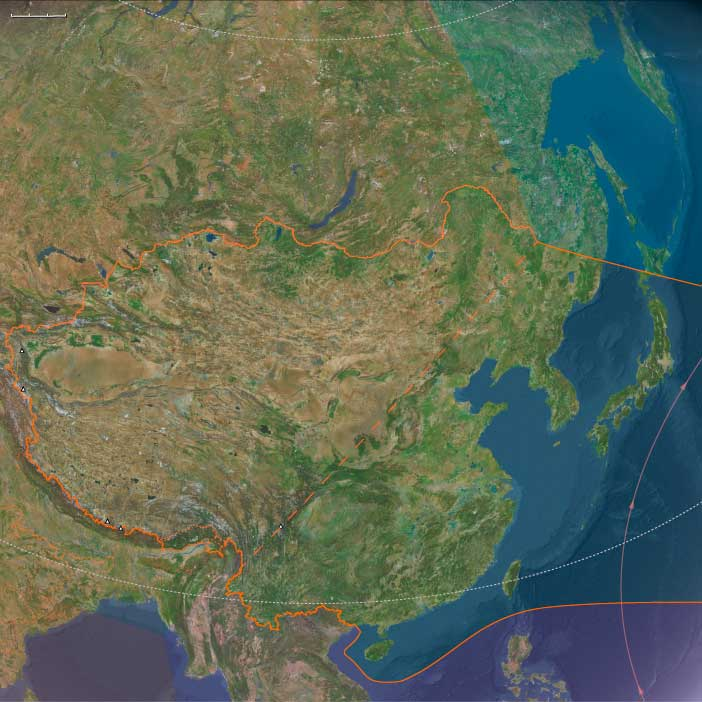
He also strengthens military ties with neighboring China, while relations deteriorate with the Soviet Union and India.
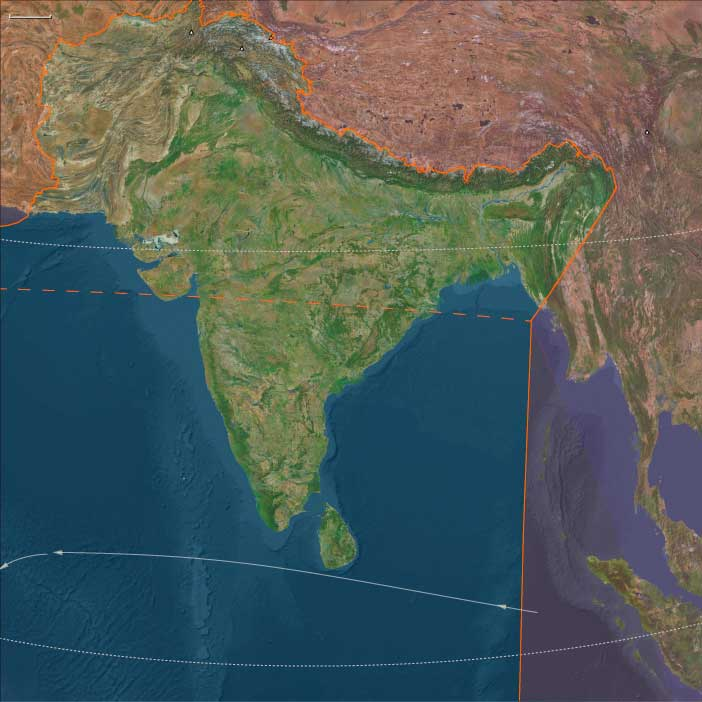
The five-week war in 1965 with India ends in a United Nations-mandated ceasefire.
Domestically, Ayub embraces private-sector industrialization and free-market principles, making the country one of Asia's fastest-growing economies.
He builds several infrastructure projects, including canals, dams and power stations, begins Pakistan's space program, and gives less priority to nuclear deterrence.
Ayub's reign also sees increasing political tensions in East Pakistan.
After defeating Fatima Jinnah in the controversial presidential elections of 1965, Ayub's standing begins to slide amid allegations of widespread vote rigging.
The war with India the same year concludes with the Tashkent Agreement, which many Pakistanis consider an embarrassing compromise.
Demonstrations across the country over rising prices, including those led by Ayub's minister-turned-rival Zulfikar Ali Bhutto, increase dramatically from 1967 onwards.
In 1969, Ayub resigns and hands over power to General Yahya Khan, who declares martial law for the second time.
Following ill health, Ayub dies in 1974.
His legacy remains mixed; he is credited with economic prosperity and what supporters dub "the decade of development", but is criticized for beginning the first of the army's incursions into civilian politics, and policies that later lead to the Bangladesh crisis.