Muhammad Ahmad
religious leader of the Samaniyya order in Sudan
Years: 1845 - 1885
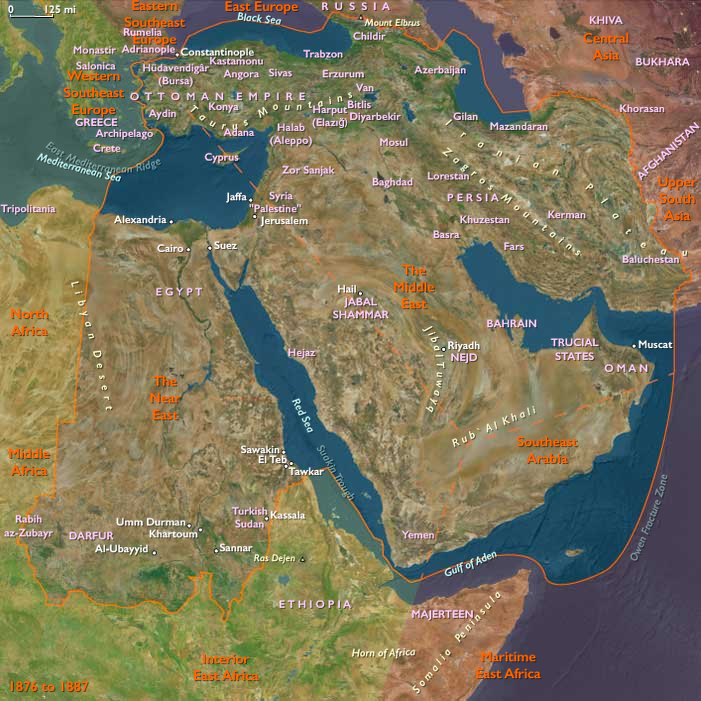
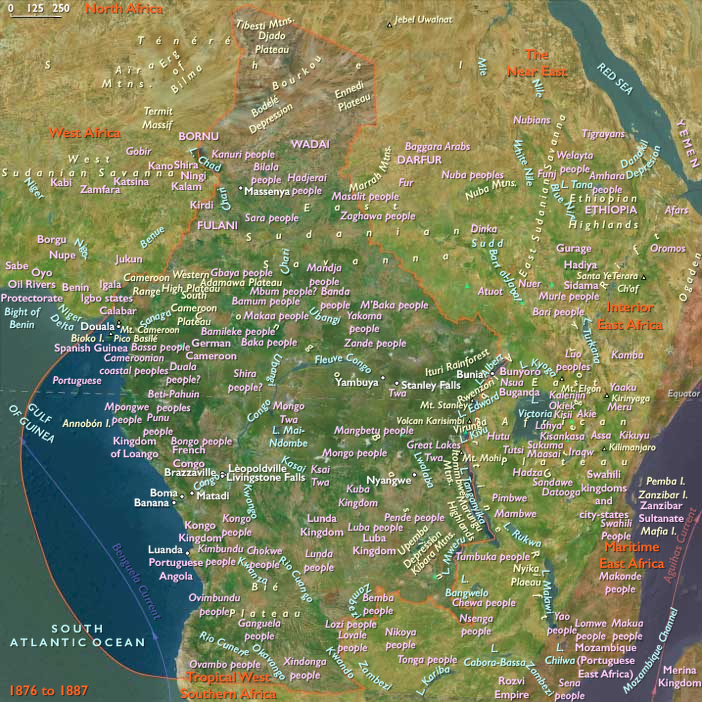
Muhammad Ahmad bin Abd Allah (August 12, 1845 – June 22, 1885) is a religious leader of the Samaniyya order in Sudan who, on June 29, 1881, proclaims himself as the Mahdi or messianic redeemer of the Islamic faith.
His proclamation comes during a period of widespread resentment among the Sudanese population of the oppressive policies of the Turco-Egyptian rulers, and capitalizes on the messianic beliefs popular among the various Sudanese religious sects of the time.
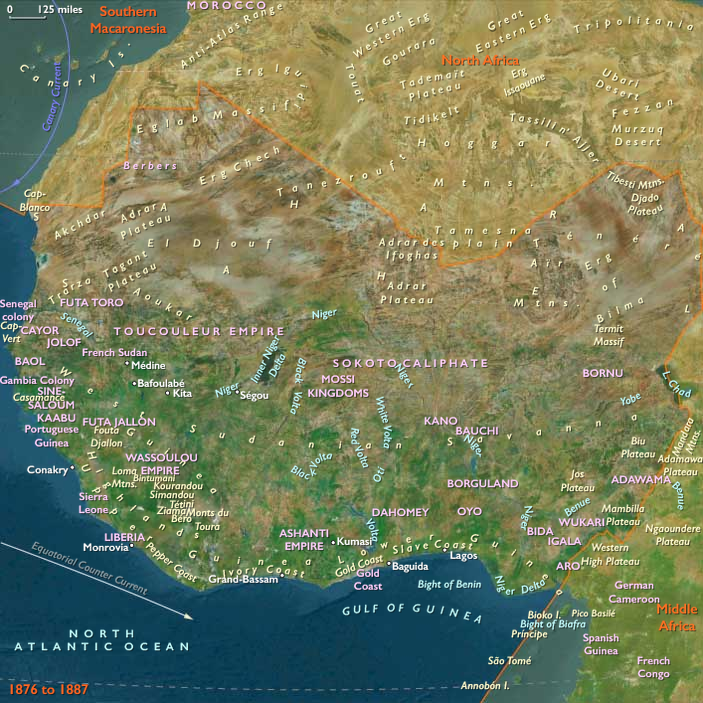
More broadly, the Mahdiyya, as Muhammad Ahmad's movement is called, is influenced by earlier Mahdist movements in West Africa, as well as Wahabism and other puritanical forms of Islamic revivalism that have developed in reaction to the growing military and economic dominance of the European powers throughout the 19th century.
From his announcement of the Mahdiyya in June 1881 until the fall of Khartoum in January 1885, Muhammad Ahmad leads a successful military campaign against the Turco-Egyptian government of the Sudan (known as the Turkiyah).
During this period, many of the theological and political doctrines of the Mahdiyya are established and promulgated among the growing ranks of the Mahdi's supporters.
After Muhammad Ahmad's unexpected death on June 22, 1885, a mere six months after the conquest of Khartoum, his chief deputy, Abdallahi ibn Muhammad takes over the administration of the nascent Mahdist state.