Mikhail Bakunin
Russian revolutionary, philosopher, and theorist of collectivist anarchism
Years: 1814 - 1876
Mikhail Alexandrovich Bakunin (30 May [O.S.
18 May] 1814 – 1 July 1876) is a Russian revolutionary, philosopher, and theorist of collectivist anarchism.
He has also often been called the father of anarchist theory in general.
Bakunin grows up in Premukhino, a family estate near Moscow, where he moves to study philosophy and begins to read the French encyclopédistes, leading to enthusiasm for the philosophy of Fichte.
From Fichte, Bakunin goes on to immerse himself in the works of Hegel, the most influential thinker among German intellectuals at the time.
That leads to his wholehearted embrace of Hegelianism, as he becomes bedazzled by Hegel's famous maxim; "Everything that exists is rational".
In 1840, Bakunin travels to St. Petersburg and Berlin, preparing himself for a professorship in philosophy or history at the University of Moscow.
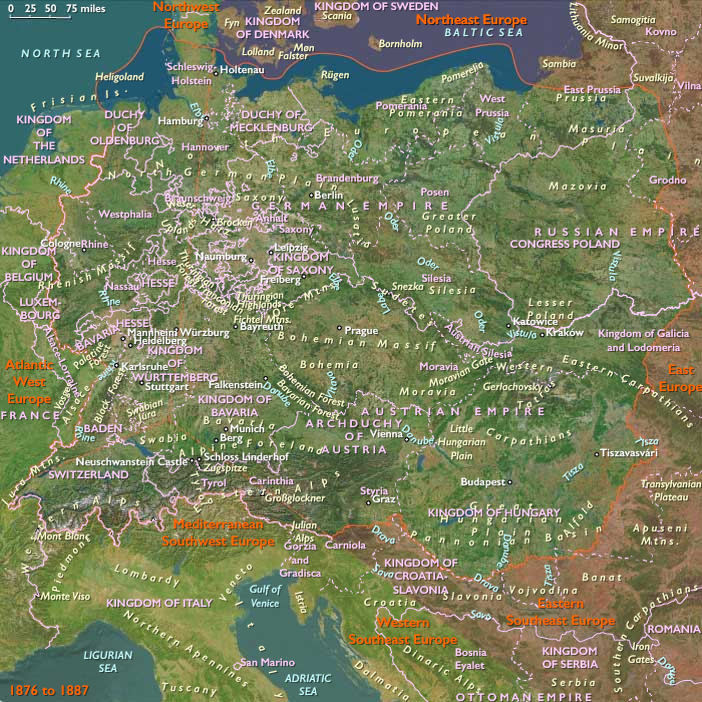
Bakunin moves from Berlin, in 1842, to Dresden.
Eventually he arrives in Paris, where he meets George Sand, Pierre-Joseph Proudhon and Karl Marx.
He is eventually deported from France for speaking against Russia's oppression of Poland.
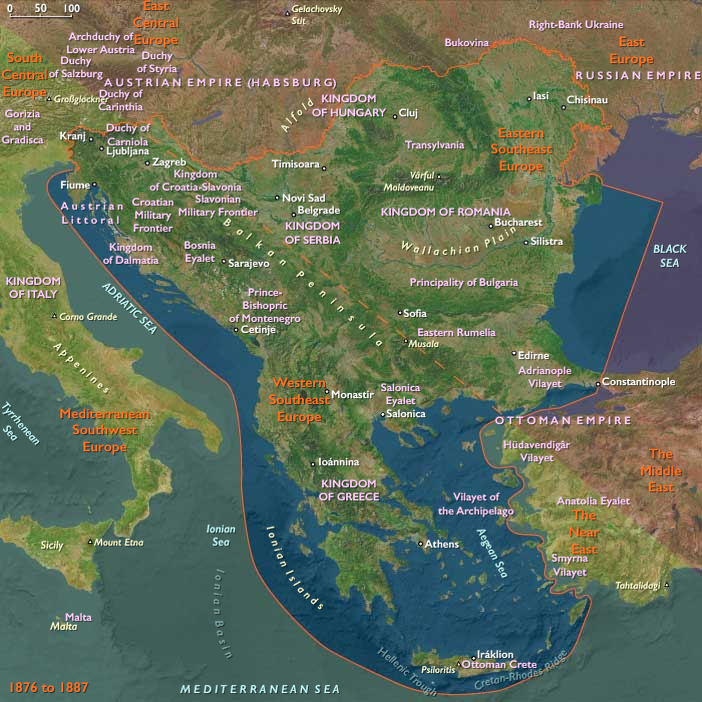
In 1849, he is apprehended in Dresden for his participation in the Czech rebellion of 1848 and turned over to Russia, where he is imprisoned in Peter-Paul Fortress in Saint Petersburg.
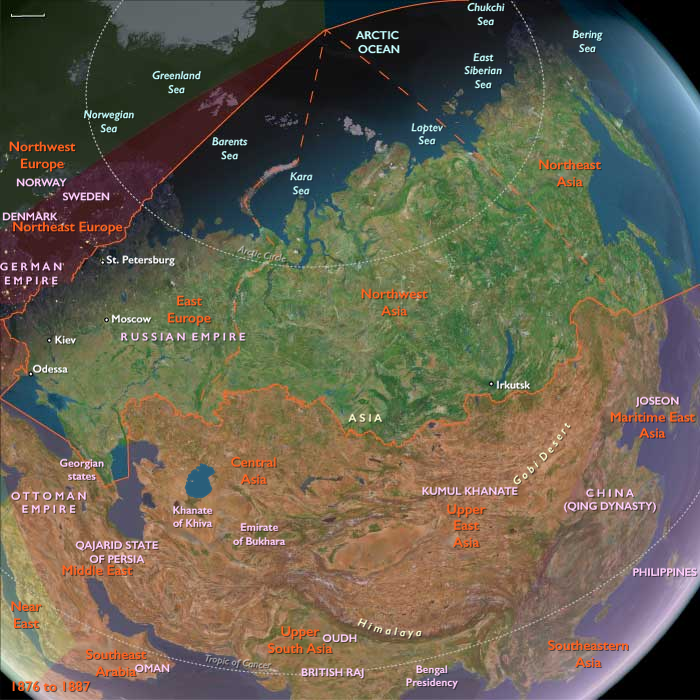
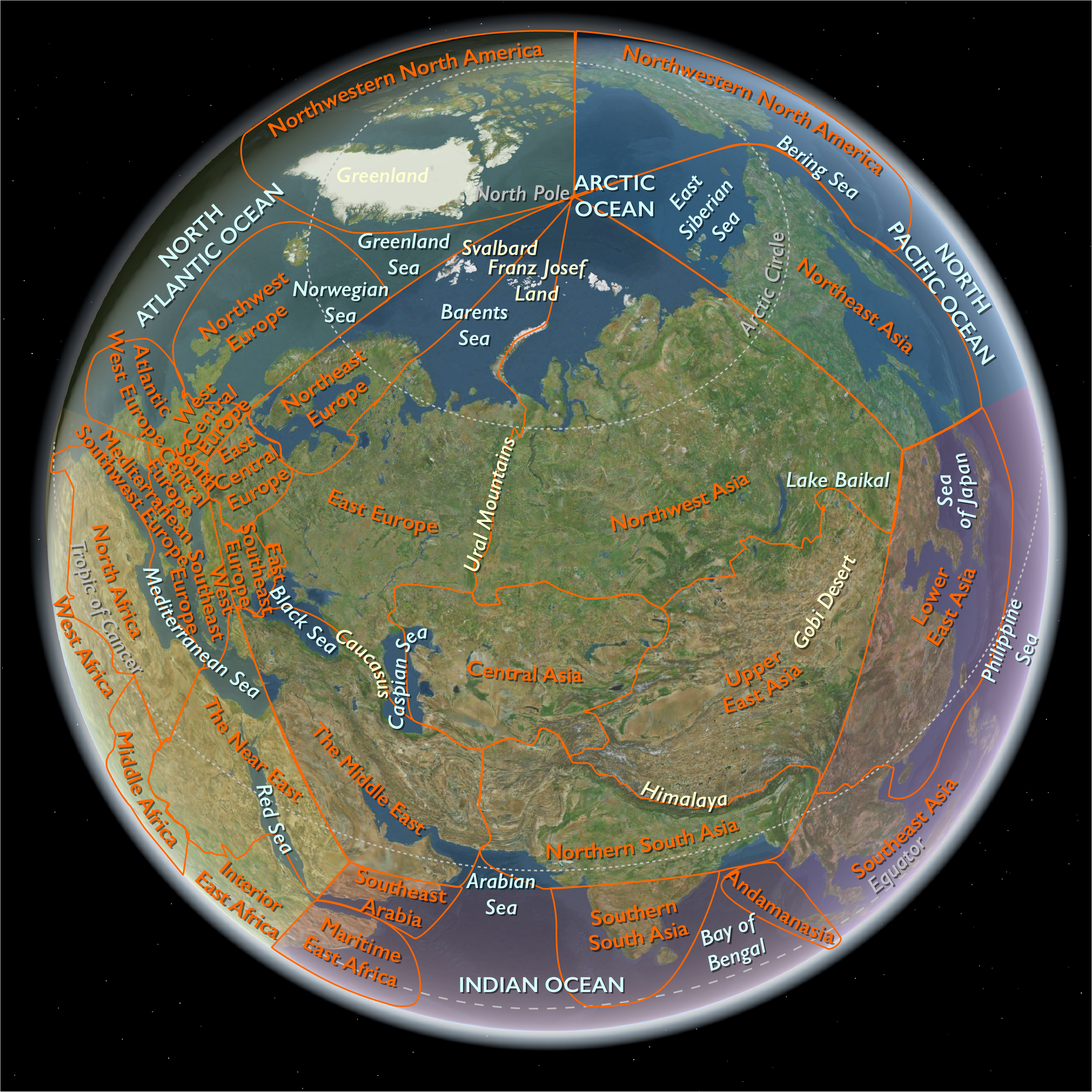
He remained there until 1857, when he is exiled to a work camp in Siberia.
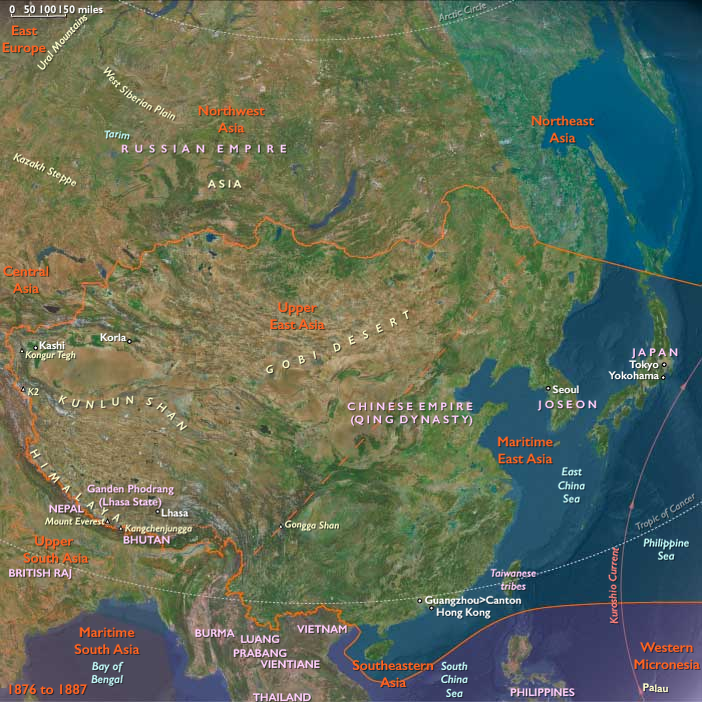
Escaping to Japan, the USA, and finally ending up in London for a short time, he works with Herzen on the journal Kolokol ("The Bell").
In 1863, he leaves to join the insurrection in Poland, but he fails to reach his destination and spends some time in Switzerland and Italy.
Despite his criminal status, Bakunin gains great influence with the youth in Russia, and all of Europe.
In 1870, he is involved in the insurrection in Lyon, which foreshadows the Paris Commune.
In 1868, Bakunin joins the International Working Men's Association, a federation of trade union organizations with sections in most European countries.
The 1872 Hague Congress is dominated by a struggle between Marx and his followers who argue for parliamentary electoral participation and a faction around Bakunin who opposes it.
Bakunin's faction loses the vote, and he is eventually expelled for supposedly maintaining a secret organization within the international.
The anarchists insist the congress is rigged, and so hold their own conference of the International at Saint-Imier in Switzerland in 1872.
From 1870 to 1876, he writes much of his seminal work such as Statism and Anarchy and God and the State.
Despite his declining health, he tries to take part in an insurrection in Bologna, but is forced to return to Switzerland in disguise, and settles in Lugano.
He remains active in the worker's movement of Europe until further health problems cause him to be moved to a hospital in Bern, where he dies in 1876.