Maximus the Confessor
Christian monk, theologian, and scholar
Years: 580 - 662
Maximus the Confessor, also known as Maximus the Theologian and Maximus of Constantinople (c. 580 – 13 August 662) is a Christian monk, theologian, and scholar.
In his early life, Maximus is a civil servant, and an aide to the Byzantine Emperor Heraclius.
However, he gives up this life in the political sphere to enter into the monastic life.
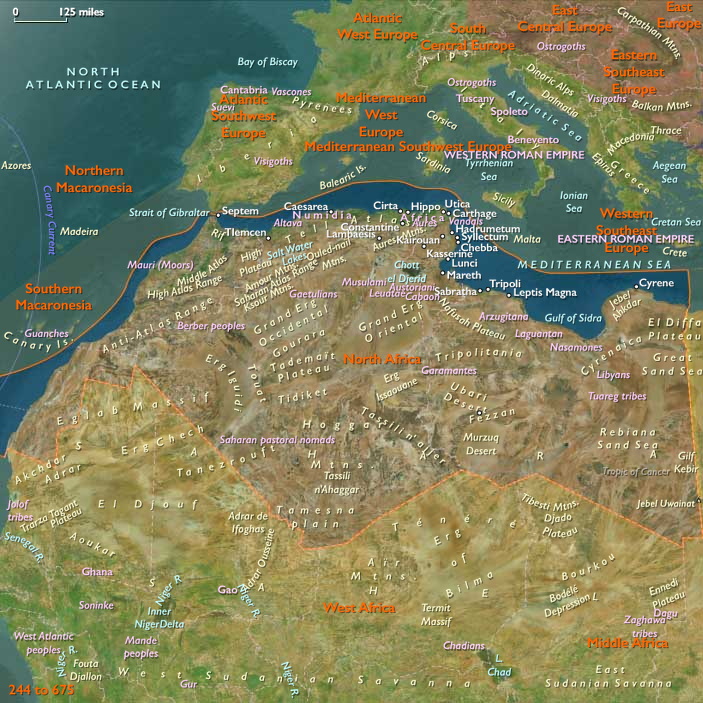
After moving to Carthage, Maximus studies several Neo-Platonist writers and becomes a prominent author.
When one of his friends begins espousing the Christological position known as Monothelitism, Maximus is drawn into the controversy, in which he supports the Chalcedonian position that Jesus had both a human and a divine will.
Maximus is venerated in both Eastern Christianity and Western Christianity.
His Christological positions eventually results in his torture and exile, soon after which he dies.
However, his theology is upheld by the Third Council of Constantinople and he is venerated as a saint soon after his death.
His feast day is celebrated twice during the year: on 13 August and 21 January.
His title of Confessor means that he suffered for the Christian faith, but was not directly martyred.
His Life of the Virgin is thought to be the earliest complete biography of Mary, the mother of Jesus.